

 Eng
Eng  English
 中文简体
中文简体 Français
Content
- 1 Parquet flooring vs hardwood: the practical verdict
- 2 Side-by-side comparison you can use
- 3 Cost and value over time: what you actually pay for
- 4 Durability: dents, scratches, and how each floor fails
- 5 Moisture and movement: where parquet often has the edge
- 6 Installation and maintenance: what to expect day-to-day
- 7 Design, resale, and “feel”: why the choice isn’t only technical
- 8 Choosing fast: match the floor to your home and priorities
Parquet flooring vs hardwood: the practical verdict
If you want a statement floor with strong scratch resistance at a predictable budget, parquet is usually the better pick. If you want the longest lifespan with the option to refinish repeatedly and a more “classic plank” resale expectation, solid hardwood is usually the better pick.
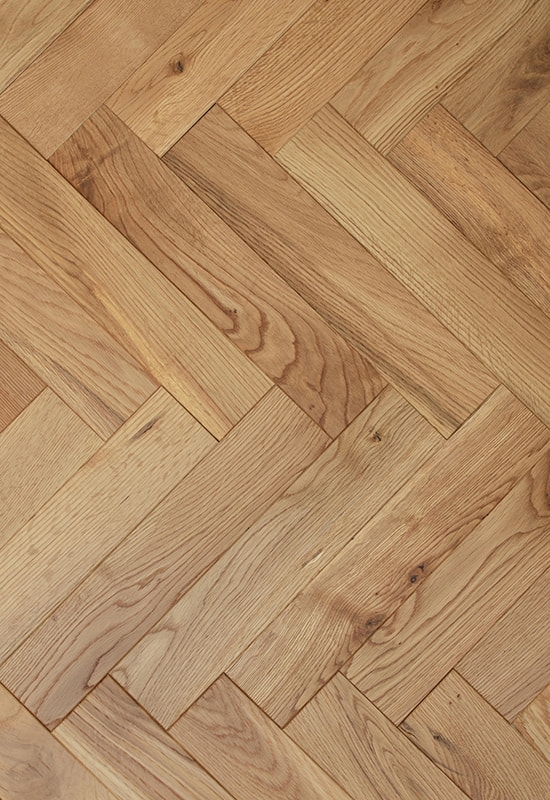
- Choose parquet for patterns (herringbone/chevron), stable engineered construction, and easier control of movement in most modern homes.
- Choose hardwood (especially solid) when you value multiple full refinishes, long-term repairability, and a timeless plank look.
- Rule of thumb: if you expect to refinish more than once or twice over decades, solid hardwood tends to win; if you want pattern + stability now, parquet tends to win.
Side-by-side comparison you can use
| Category | Parquet (typically engineered) | Hardwood (solid or engineered planks) |
|---|---|---|
| Look | Pattern-driven (herringbone, chevron, basketweave) | Plank-driven (straight lay, wide plank, mixed widths) |
| Typical installed cost (mid-market) | $10–$25 per sq ft (patterns often raise labor) | $8–$20 per sq ft (species/grade vary widely) |
| Refinishing potential | Often 1–3 times (depends on wear layer thickness) | Solid: often 4–10 times; engineered: usually 1–3 |
| Movement with humidity | Usually more stable due to plywood core and smaller elements | Solid expands/contracts more; engineered planks improve stability |
| Best rooms | Living/dining/office; good for open layouts if expansion is planned | Whole home; solid is ideal above-grade with consistent humidity |
The cost ranges above reflect common mid-market installs in the U.S. where pattern labor (layout, cutting, alignment) can add significant time versus straight-laid planks. Your exact quote will depend on subfloor prep, demo, transitions, and stair work.
Cost and value over time: what you actually pay for
Parquet often costs more in labor, but can reduce “risk costs” (gapping, cupping, seasonal movement) because it’s commonly engineered and made of smaller pieces that move less dramatically than wide solid planks.
A simple value check (example)
Assume 600 sq ft installed:
- Parquet at $16/sq ft installed ≈ $9,600
- Hardwood planks at $12/sq ft installed ≈ $7,200
If the hardwood is solid and you refinish twice over the next decades, it may outperform on lifetime value. If the parquet’s engineered stability prevents one major repair event (board replacement, water-edge swelling replacement, widespread gapping correction), it can justify the higher entry price.
Best practice: request quotes that separate (1) material, (2) labor, (3) subfloor prep, and (4) transitions/stairs—pattern work hides labor costs unless itemized.
Durability: dents, scratches, and how each floor fails
In real homes, “durability” is mostly about finish quality and species hardness, not whether a floor is parquet or hardwood. However, parquet patterns can visually disguise minor scuffs, while long planks can make scratches more obvious.
Hardness examples (species matters)
- Red oak is a common benchmark; many homeowners find it a balanced choice for traffic and repairability.
- Maple and hickory are often chosen when dent resistance is a priority in busy kitchens and hallways.
- Finishes: factory-finished (aluminum oxide/UV-cured) commonly resists micro-scratching better than many site-finished options, though site finish can be repaired and blended well by a skilled pro.
How damage is handled
- Light scratches: both can often be improved with cleaning, polish appropriate to the finish, and felt pads.
- Localized dents: parquet can sometimes allow smaller, less noticeable board swaps because pieces are smaller; plank hardwood swaps can be more visible if grain/finish has aged.
- Widespread wear: solid hardwood has the clearest advantage because it can typically be sanded more times.
Moisture and movement: where parquet often has the edge
Most parquet sold today is engineered, which usually handles seasonal humidity swings better than solid hardwood. That matters in open floor plans, sunny rooms, and homes without tightly controlled indoor humidity.
Practical thresholds homeowners actually notice
- If indoor relative humidity swings heavily season-to-season, solid hardwood is more likely to show gaps in dry months and crowning/cupping after wet months.
- Engineered parquet can still be damaged by standing water, but it usually reduces movement-related issues because the cross-layer core stabilizes the wear layer.
- Basements and slabs: many pros prefer engineered products (including parquet) over solid hardwood because vapor risk is higher; proper underlayment and moisture testing remain essential.
If your home is in a region with big seasonal shifts, the “best” floor is often the one installed with disciplined moisture control: acclimation, moisture testing, correct adhesive/underlayment, and adequate expansion gaps.
Installation and maintenance: what to expect day-to-day
Installation complexity
Parquet patterns (especially true chevron and detailed borders) require precise layout, frequent cutting, and careful alignment. That is why parquet labor typically runs higher than straight plank installs. Hardwood planks are usually faster to lay, particularly in standard widths and simple layouts.
Maintenance that actually reduces wear
- Entry control: doormats and “shoes off” rules reduce grit—one of the biggest causes of finish micro-scratches.
- Felt pads: replace pads before they compress or trap grit.
- Wet cleaning: damp, not wet; avoid routine steam mops unless the flooring/finish warranty explicitly allows it.
- Sunlight: UV changes color; use rugs or window treatments if color consistency matters, especially on large continuous areas.
Design, resale, and “feel”: why the choice isn’t only technical
Parquet and hardwood can both raise perceived quality, but they communicate different design intent. Parquet reads as crafted and architectural; hardwood planks read as classic and broadly familiar.
Where parquet can outperform hardwood planks
- If you want a focal-point floor (e.g., herringbone in an entry or dining room) without adding extra decor.
- If you prefer a surface that disguises minor scuffs through patterning and directional grain changes.
Where hardwood planks can outperform parquet
- If resale buyers in your market strongly expect “hardwood floors” to mean traditional planks, especially wide plank oak.
- If you want the simplest future refinishing story: solid plank hardwood is the most universally serviceable option.
Choosing fast: match the floor to your home and priorities
Use these decisions to break the tie quickly.
Pick parquet if most of these are true
- You want a pattern (herringbone/chevron) as a permanent design feature.
- Your home has bigger humidity swings or you are installing over a slab and want added stability.
- You prefer predictable performance and are comfortable with fewer full refinishes.
Pick hardwood (especially solid) if most of these are true
- You prioritize the ability to sand and refinish repeatedly over decades.
- You want a classic plank look that matches many buyer expectations.
- Your home maintains consistent indoor humidity and you can follow acclimation and installation best practices.
Bottom line: parquet wins on pattern and typical engineered stability; hardwood (solid) wins on maximum long-term refinishability.

 +86-572-2118015
 No.598. Gaoxin Road, Huanzhu Industrial Zone, Huzhou City, Zhejiang Province, China, 313000