

 Eng
Eng  English
 中文简体
中文简体 Français
Content
- 1 Hickory wood hardness: what it really means underfoot
- 2 Disadvantages of hickory flooring that homeowners feel first
- 3 Movement, gaps, and seasonal behavior: the “quiet” risk
- 4 Why “harder” can still scratch, and other durability misconceptions
- 5 Refinishing and repair: what is easier, what is harder
- 6 How to choose hickory wisely (and avoid the most common regrets)
Hickory wood hardness: what it really means underfoot
When people talk about hickory wood hardness, they are usually referencing the Janka hardness test—a standardized way to estimate dent resistance. Hickory commonly rates around 1,820 lbf on the Janka scale, which is materially harder than many popular domestic species used for flooring.
Practical takeaway: higher hardness generally means better resistance to everyday dents (pet nails, high heels, dropped utensils). However, hardness does not automatically mean “problem-free.” Some of the biggest disadvantages of hickory flooring are direct side effects of that density.
| Wood species (common flooring) | Typical Janka hardness (lbf) | What you’ll notice day to day |
|---|---|---|
| Hickory | 1,820 | Strong dent resistance; harder to cut/fasten |
| Hard maple (sugar maple) | 1,450 | Good durability; can show scratches depending on finish |
| White oak | 1,360 | Balanced performance; popular for wide-plank looks |
| Red oak | 1,290 | Workhorse species; easier installation and refinishing |
| Black walnut | 1,010 | Luxurious look; dents more easily in active households |
Disadvantages of hickory flooring that homeowners feel first
If you are considering hickory, it helps to separate “marketing pros” from “lived-in reality.” Below are disadvantages of hickory flooring that tend to show up early—during install, the first seasonal cycle, or the first time you try to match planks.
Hardness increases installation friction
- More cutting effort: dense boards can be slower to cut cleanly, and dull blades faster than mid-hardness species.
- Fastener challenges: the density can increase the chance of nail deflection or “shiners,” and often benefits from careful fastening technique and tool setup.
- Less forgiveness on subfloor flatness: hard boards telegraph unevenness; squeaks or hollow spots are more noticeable when everything is rigid.
Color variation can complicate design decisions
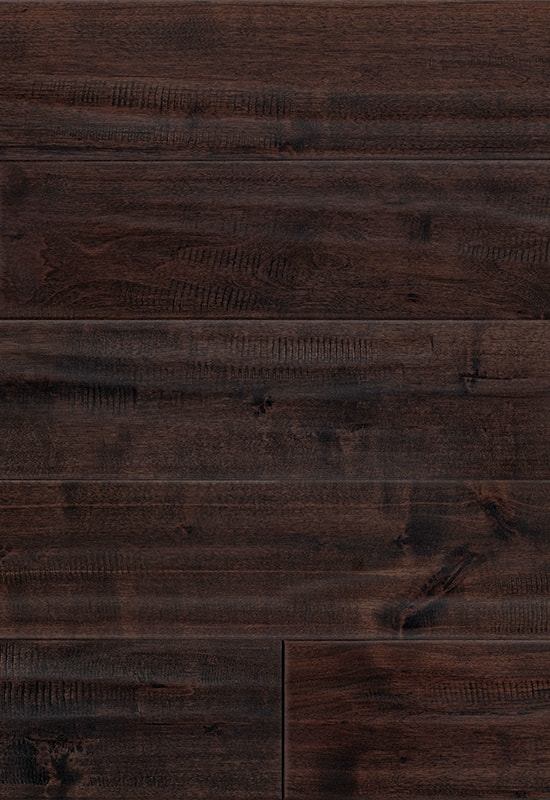
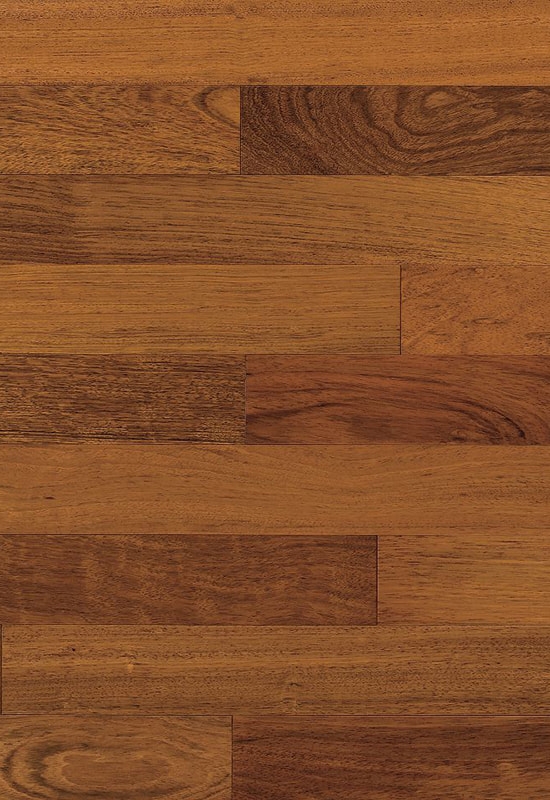
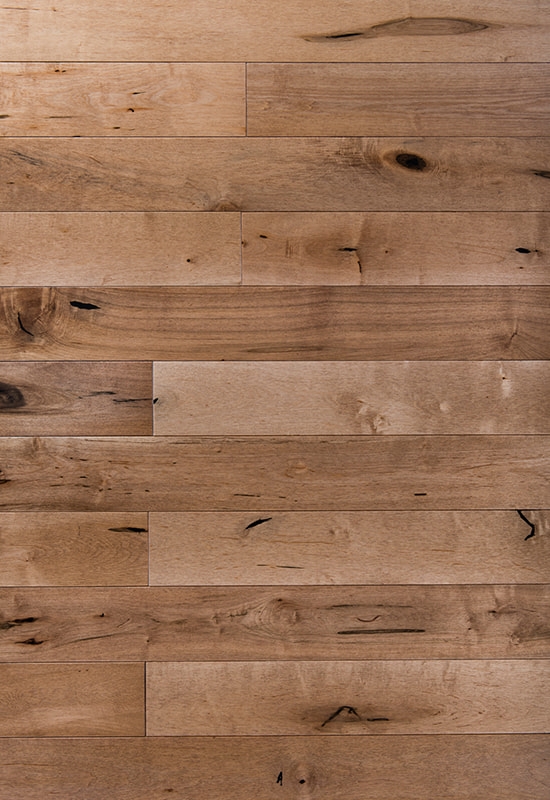
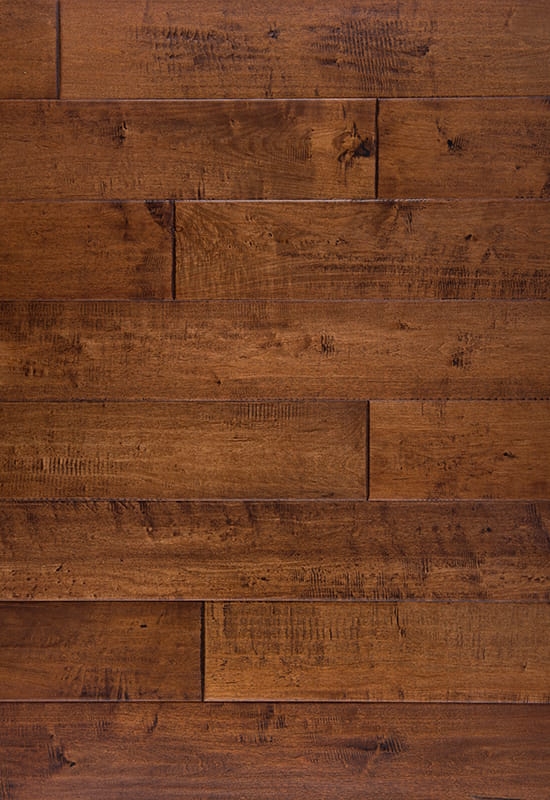
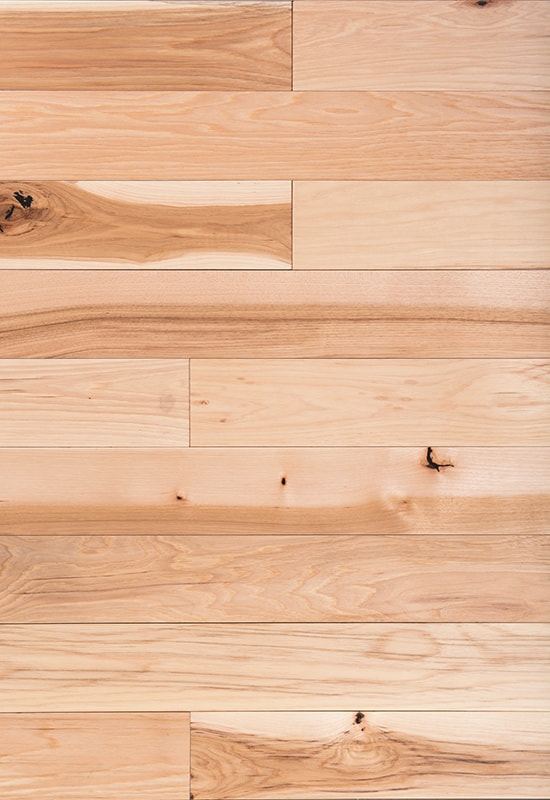
Hickory commonly swings from pale cream to darker brown within the same carton. For rustic interiors, that is a feature; for minimalist or highly coordinated palettes, it can read as visual noise. If you need a uniform tone, you may spend more time on plank selection (or accept a more blended, “busy” surface).
Staining and finishing can be less predictable
Because hickory has pronounced grain contrast and variable absorption, some stains can look blotchy or overly striped if the finish system is not chosen carefully. This is most relevant when trying to force hickory into a very specific color target (for example, an ultra-even dark walnut look). Sample boards are not optional—use them as the decision gate.
Movement, gaps, and seasonal behavior: the “quiet” risk
Wood flooring moves as indoor humidity changes. With hickory, homeowners sometimes perceive that movement more because the boards are dense and the grain contrast makes even small gaps easier to see. The result can be winter gapping, summer tightness, or localized edge lift if moisture conditions are unmanaged.
Humidity control matters more than most people expect
A practical target for many homes is maintaining indoor relative humidity around 35–55%. When a home routinely swings outside that range (dry winters, humid summers, or intermittent HVAC use), seasonal floor changes become more likely and more visible.
Common scenarios that trigger visible gaps or distortion
- Installing before proper acclimation: boards that have not equilibrated to the home’s moisture conditions may move more after installation.
- Rooms with strong sun exposure: repeated heating/cooling cycles can intensify seasonal behavior in specific zones.
- Wet events and slow drying: leaks, plant spills, or repeated mopping can cause swelling, edge lift, or finish stress lines.
Decision tip: If your home has frequent humidity swings and you do not plan to control them, engineered hickory (with a stable core) can reduce risk versus solid hickory, while keeping the same surface look.
Why “harder” can still scratch, and other durability misconceptions
Hickory’s hardness helps with dents, but scratches are a different conversation. Scratch visibility depends heavily on the finish system (aluminum oxide, urethane, oil-based systems) and on sheen level. High-gloss finishes show micro-scratches sooner than matte finishes, regardless of wood species.
Examples of common wear patterns
- Grit at entry doors: mineral grit acts like sandpaper; a harder wood does not prevent finish abrasion.
- Rolling loads: desk chairs and carts can create repeated finish wear paths unless protective mats/casters are used.
- Pet traffic: nails may not dent as easily, but they can still mark the finish—especially at thresholds and corners.
In short: hickory reduces dent anxiety, but it does not eliminate finish maintenance. Many “durability complaints” about hardwood are actually finish complaints.
Refinishing and repair: what is easier, what is harder
If you plan to keep your floor for decades, refinishing matters. Hickory can be refinished successfully, but the same traits that make it tough can also make it less forgiving during sanding and color matching—especially in high-contrast installations.
Where hickory repairs can be challenging
- Color matching: replacement boards may stand out because hickory’s natural variation is high, even within the same stain color.
- Blending after spot repair: some finishes and stains make “halo” edges more visible; this is why broader feathering zones are often used.
- Texture consistency: strong grain contrast means sanding marks or uneven abrasion can show sooner if techniques are inconsistent.
Practical mitigation: If you want a lower-risk refinishing path, consider a more natural or lightly toned finish that works with hickory’s native contrast instead of fighting it.
How to choose hickory wisely (and avoid the most common regrets)
Many frustrations attributed to hickory come from misalignment between expectations and conditions. If you like the look and want the toughness, you can reduce the practical disadvantages of hickory flooring with a few specific choices.
A short checklist that prevents most problems
- Pick the right construction: engineered hickory for homes with bigger humidity swings; solid hickory for stable, controlled interiors.
- Plan for variation: open multiple boxes, mix planks intentionally, and define acceptable range before installation starts.
- Choose a forgiving sheen: matte or satin typically hides micro-scratches better than semi-gloss or gloss.
- Control grit: entry mats, felt pads, and a no-shoes policy in high-traffic areas reduce finish wear more than wood hardness ever will.
- Insist on samples: test your stain/finish on actual hickory boards in your lighting before committing.
When hickory is a poor fit
- You require highly uniform color with minimal grain activity.
- Your home is frequently unconditioned or experiences strong seasonal humidity swings without mitigation.
- You want a dark, ultra-even stain result without frequent sampling and finish-system tuning.
Bottom line: Hickory’s standout hardness is real, but the best outcomes come from planning for movement, embracing variation, and choosing finishes that match how the floor will be lived on.

 +86-572-2118015
 No.598. Gaoxin Road, Huanzhu Industrial Zone, Huzhou City, Zhejiang Province, China, 313000