

 Eng
Eng  English
 中文简体
中文简体 Français
Content
- 1 How much does it cost to do wood flooring in 2026?
- 2 What a complete wood flooring quote should include
- 3 Material choice: the biggest lever in “wood flooring cost”
- 4 Labor and jobsite conditions that move the price up or down
- 5 How to estimate your wood flooring budget (a step-by-step method)
- 6 Example budgets you can adapt (200 sq. ft. and 600 sq. ft.)
- 7 How to control cost without cutting corners
- 8 What to ask your supplier before you buy (so costs don’t escalate later)
How much does it cost to do wood flooring in 2026?
When people ask “how much does it cost to do wood flooring,” they usually want a practical number they can budget with. In most projects, the installed price (materials + labor + basic consumables) lands somewhere between $6 and $25 per sq. ft. The wide range is normal because wood species, plank format, subfloor condition, and installation method can change the scope dramatically.
As a manufacturer and supplier, we recommend thinking of wood flooring cost as three layers:
- Flooring material (the boards/tiles themselves)
- Installation labor (including layout complexity and jobsite constraints)
- Project extras (subfloor prep, removal/disposal, trims, moisture control, stairs, transitions)
If you only compare “material price per sq. ft.” you can miss the true cost drivers—especially for patterned layouts (herringbone/chevron), uneven subfloors, or moisture-prone spaces.
What a complete wood flooring quote should include
A reliable quote itemizes the work so you can see where the budget is going. Below are the most common line items we see in professional bids (residential and light commercial).
Core cost components
- Flooring materials: boards/tiles, plus overage for cuts and future repairs
- Underlayment or moisture barrier: especially important on concrete slabs, basements, or over radiant heating
- Adhesives / fasteners: glue for glue-down installs; staples/nails for nail-down installs
- Trims and transitions: skirting/baseboards, T-molding, reducers, end caps/thresholds, stair noses
- Subfloor preparation: leveling, patching, squeak fixing, moisture mitigation, or replacing damaged panels
- Removal and disposal: existing flooring demo + haul-away
Common “surprise” add-ons that change totals
- Stairs, landings, and curved edges (labor and trim fabrication increase quickly)
- Diagonal layouts, borders/inlays, and patterned installation (extra layout time and higher waste)
- Moisture mitigation systems on slabs (primer + moisture-resistant adhesive systems)
- Unfinished flooring (adds sanding, staining, and finishing costs and downtime)
Material choice: the biggest lever in “wood flooring cost”
Material selection affects not only the board price, but also installation speed, waste percentage, and long-term maintenance. Here is a buyer-friendly comparison that mirrors how professional quotes are built.
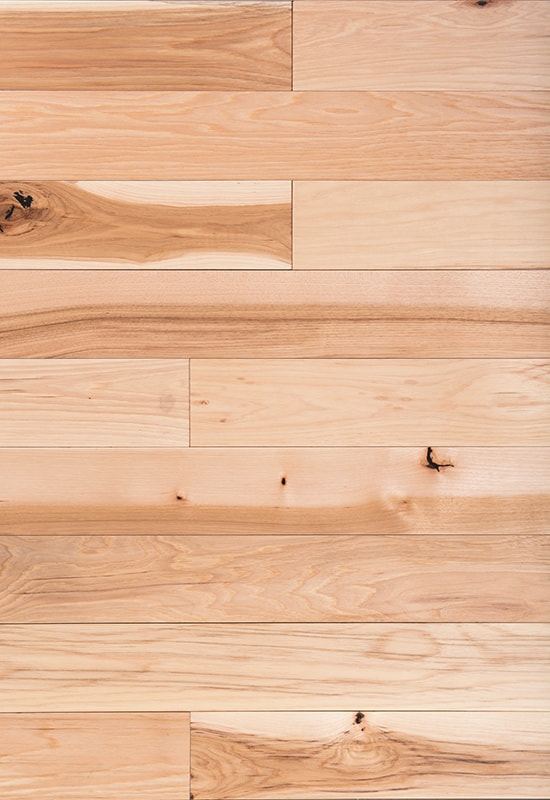
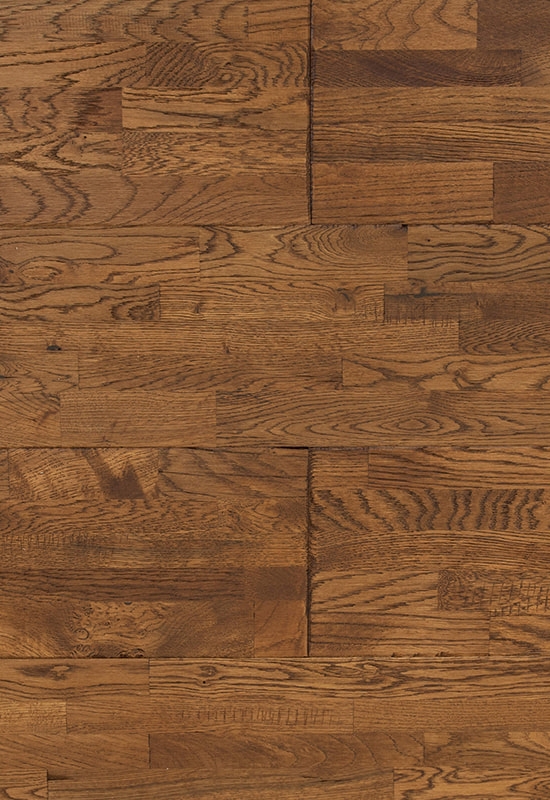
| Flooring type | Where cost usually rises | Practical advantages | Best for |
|---|---|---|---|
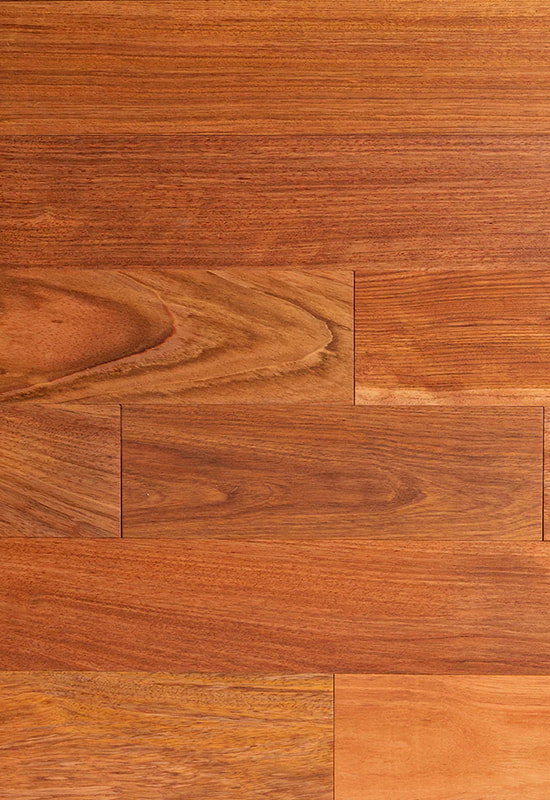
| Solid hardwood | More sensitive to jobsite humidity; may require stricter acclimation and subfloor requirements | Classic feel; can often be refinished multiple times (species/thickness dependent) | Stable indoor climates; long-term ownership |
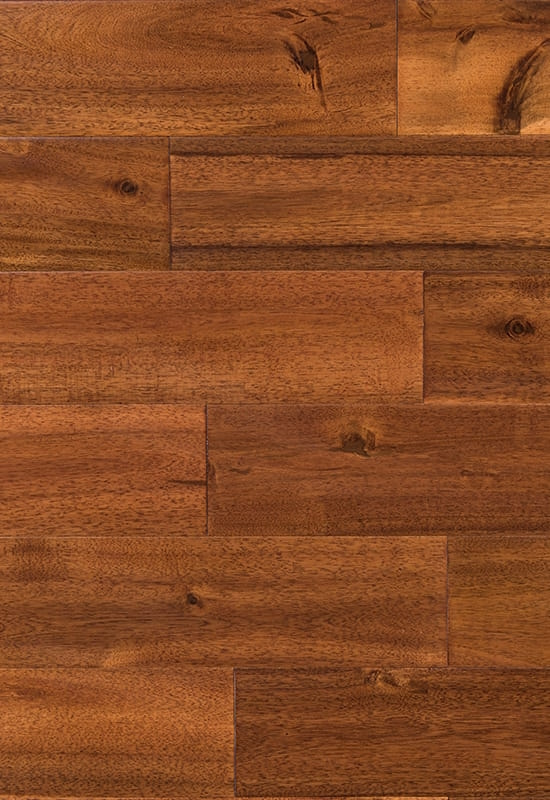
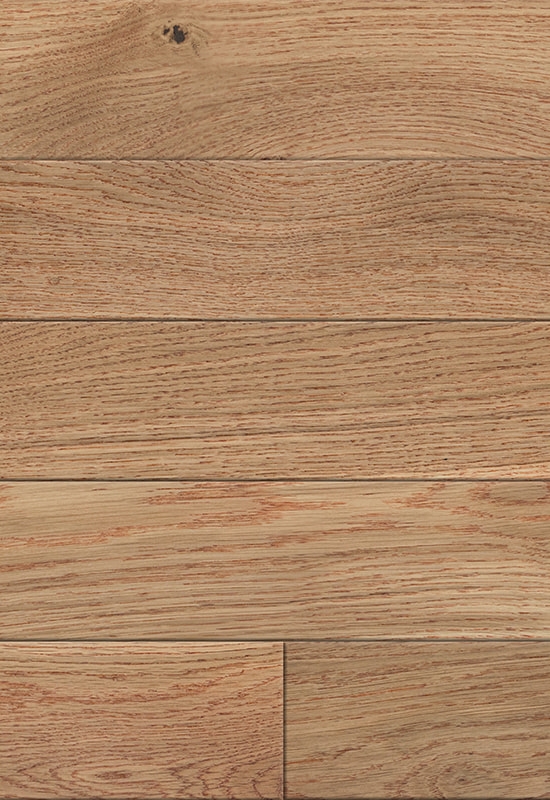
| Multi-layer engineered hardwood | Premium wear layer thickness, wide planks, and specialty finishes increase materials cost | Higher dimensional stability; flexible installation options; good compatibility with underfloor heating (system-dependent) | Slabs, condos, mixed climates, and renovation projects |
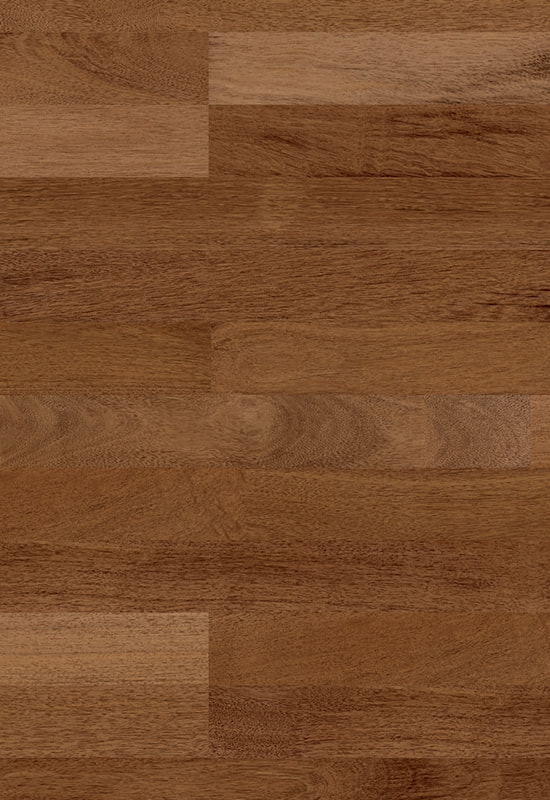
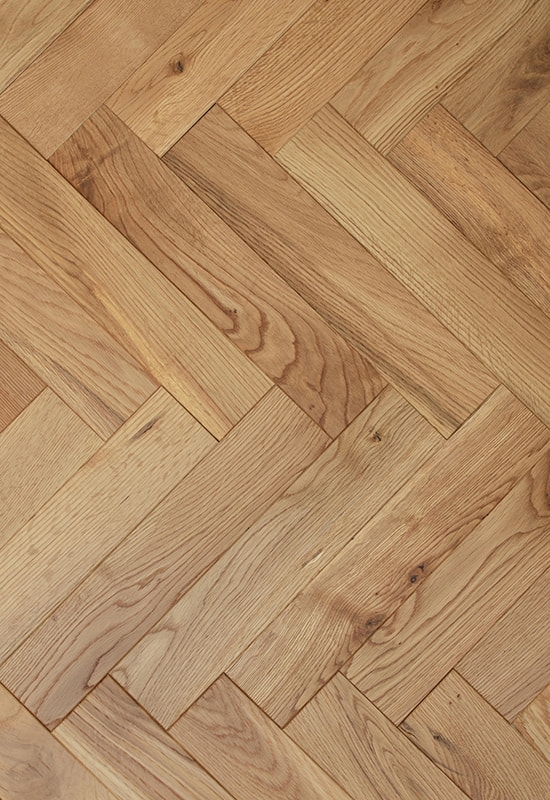
| Design parquet (pattern tiles/panels) | Higher labor for layout and pattern alignment; higher waste; more detailed subfloor flatness requirements | High-end visual impact; pattern-driven design control | Feature rooms, boutiques, hospitality, statement spaces |
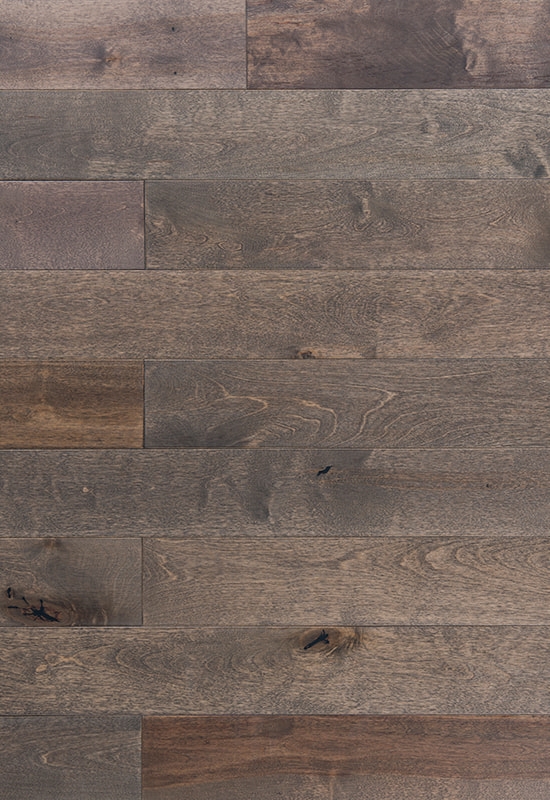
| HDF engineered wood (veneer over HDF core) | Core choice and veneer specification can limit refinishing; moisture strategy still matters | Cost-effective real-wood look; durable core for many residential applications | Budget-sensitive projects, rentals, quick turn renovations |
If you’re choosing among options, start by matching the product construction to the site conditions (slab vs plywood subfloor, humidity swings, radiant heat). For example, multi-layer engineered wood flooring is often selected for its stability and installation flexibility, especially in renovation work where subfloor conditions vary.
Labor and jobsite conditions that move the price up or down
Even with the same flooring material, labor can be the deciding factor in total cost. Installers price for time, risk, and jobsite complexity. The following factors are the most common reasons two quotes for the same square footage look very different.
Installation method (nail-down, glue-down, floating)
Glue-down installations typically require more prep, moisture awareness, and adhesive cost, while nail-down relies heavily on subfloor suitability and fastening patterns. Floating systems can be faster in some cases, but transitions, perimeter expansion gaps, and underlayment quality become more important.
Subfloor flatness and moisture control
Subfloor work is not “optional”—it is where long-term performance is won or lost. Leveling compound, patching, replacing weak panels, or adding moisture mitigation can add meaningful cost, but it usually prevents bigger expenses later (gaps, squeaks, hollow spots, adhesive failure).
Patterned floors and stairs increase layout time, cutting time, and finishing details. From a budgeting standpoint, plan for:
- Pattern installs (herringbone/chevron): more layout time and more offcuts, which raises both labor and material overage
- Stairs: each step adds nosing/edge detailing, cuts, and transitions—often priced per step rather than per sq. ft.
- Thresholds and mixed-height transitions: require additional trim profiles and careful planning
A good practice is to ask your installer what assumptions are built into labor (flatness tolerance, moisture readings, number of doorways, stair count). That is how you avoid change orders.
How to estimate your wood flooring budget (a step-by-step method)
If you want a dependable estimate before collecting formal quotes, use a structured calculation. This keeps you from under-ordering material and helps you compare bids fairly.
Step 1: Measure net square footage
Measure length × width for each area and sum them. Do not subtract for small closets or built-ins unless they are large enough to affect plank runs materially.
Step 2: Add waste (overage) based on layout
Waste is not a “nice to have”—it is standard in professional ordering. A practical rule of thumb is:
- Straight plank layouts: 7%–10% extra
- Herringbone/chevron and complex rooms: 15%–20% extra (sometimes more for very irregular spaces)
Step 3: Build your “per sq. ft.” total from line items
Use this structure so nothing gets missed:
- Material price per sq. ft. (the flooring you selected)
- Labor per sq. ft. (adjust upward for patterns, stairs, tight access, or heavy prep)
- Underlayment / moisture system per sq. ft.
- Trims and transitions (convert lineal feet to a project allowance)
- Removal/disposal and subfloor repairs (project allowances)
Simple formula: (Net sq. ft. × (1 + waste %)) × (all-in $/sq. ft.) + fixed project allowances.
Example budgets you can adapt (200 sq. ft. and 600 sq. ft.)
Below are sample planning budgets using common bid structures. These are not “one-size-fits-all” quotes, but they show how totals change when you shift material type, labor complexity, and waste percentage.
Planning assumptions used
- Straight lay waste: 10%
- Pattern waste (herringbone/chevron): 18%
- Basic trims/transition allowance included as a small project add-on (varies heavily by door count and perimeter)
| Scenario | Area | Waste | Planning all-in (materials + labor) | Example subtotal |
|---|---|---|---|---|
| Budget-friendly real-wood look (HDF engineered) | 200 sq. ft. | 10% | $8–$12 / sq. ft. | $1,760–$2,640 |
| Mid-range engineered plank (stable renovation choice) | 600 sq. ft. | 10% | $10–$18 / sq. ft. | $6,600–$11,880 |
| Premium solid hardwood (higher material + stricter prep) | 600 sq. ft. | 10% | $12–$25 / sq. ft. | $7,920–$16,500 |
| Pattern statement floor (herringbone/chevron or design parquet) | 200 sq. ft. | 18% | $14–$28 / sq. ft. | $3,304–$6,608 |
To turn these into a near-final budget, add fixed allowances for removal/disposal and any subfloor leveling your installer identifies during inspection.
How to control cost without cutting corners
The lowest quote is not always the lowest total cost of ownership. The most cost-effective projects usually do three things well: they choose the right construction for the site, they minimize avoidable waste, and they specify accessories and moisture strategy upfront.
Choose finishes that reduce on-site labor
Pre-finished flooring can shorten project time because it typically avoids full-site sanding and finishing. This is especially relevant in occupied renovations where downtime is expensive.
Use the layout to manage waste
If you love patterns, you can still manage cost by choosing rooms with cleaner geometry (fewer jogs and doorways), and by agreeing on a clear starting line and pattern alignment with your installer before material is cut.
Plan trims and transitions early
Transitions are often where last-minute costs appear. Make sure your quote includes the right profiles (reducers, T-moldings, stair noses, thresholds). If you want a consistent finish and color match, it can help to source coordinated flooring accessories at the same time as the flooring, rather than mixing profiles from different suppliers.
What to ask your supplier before you buy (so costs don’t escalate later)
From a supplier perspective, most cost overruns come from missing technical decisions: wear layer thickness, coating system, subfloor compatibility, and accessory scope. A short checklist can protect your budget.
Technical questions that affect price and performance
- Wear layer / top layer thickness: thicker layers generally improve long-term serviceability (and can affect price)
- Coating system: UV lacquer vs UV oil vs natural oil affects sheen, maintenance, and scratch visibility
- Grade and visual expectations: specify the acceptable knot/mineral variation to avoid disputes after delivery
- Available sizes and custom capability: length/width choices can change labor speed and waste percentage
- Installation compatibility: confirm approved methods for your subfloor and whether underfloor heating is supported (where applicable)
A practical example of specs that help you compare suppliers
For engineered planks, a spec sheet that lists items like bevel type, grade, coating, and gloss level helps you compare “apples to apples.” For instance, some engineered products are offered with UV lacquer coatings and defined gloss targets, and may offer a 3–6 mm solid wood top layer with multiple thickness/width/length options and custom sizing for project needs. This is the level of detail that prevents re-pricing mid-project.
If you are weighing solid vs engineered vs patterned options, it can be useful to review a supplier’s full catalog in one place—such as solid, engineered, parquet, and HDF engineered collections—and then request a quote based on the exact construction, finish, and accessory package you intend to install.
Bottom line: wood flooring cost is predictable when you separate materials, labor, and extras—and when you lock the technical specification early. If you do that, you can compare quotes cleanly and choose the product construction that matches your space instead of paying later for avoidable corrections.

 +86-572-2118015
 No.598. Gaoxin Road, Huanzhu Industrial Zone, Huzhou City, Zhejiang Province, China, 313000