

 Eng
 English
 中文简体
 Français

Content
- 1 What an engineered wood wear layer is—and what it is not
- 2 Why thickness matters in real installations
- 3 Wear layer thickness by application
- 4 Reading a supplier specification without guesswork
- 5 Surface texture, refinishing, and the limits of a thick veneer
- 6 Application notes: residential, commercial, and underfloor heating
- 7 Procurement checks that protect the specification
An engineered wood wear layer is the top wood veneer that remains visible after installation, measured from the finished surface to the bottom of the veneer above the tongue-and-groove or click profile. It is not the lacquer, oil, or UV-cured finish, and it is not a laminate AC wear rating. The thickness matters because it sets how much wood remains for future sanding, how the top behaves over the core, and what a supplier can reasonably guarantee in a purchase order.
What an engineered wood wear layer is—and what it is not
On a typical engineered plank, the wear layer is a 0.6–6 mm wood veneer bonded to plywood or HDF. The finish on top is usually measured in microns; the veneer is measured in millimetres. A 3 mm wear layer and a 3 mm total board are not the same specification. The first leaves roughly 3 mm of sandable wood; the second describes the whole sandwich.
The veneer cut also changes performance. Sawn veneer is generally straighter and more consistent; sliced veneer can be thinner and more decorative; peeled veneer can show a pronounced cathedral grain and more surface checking. None of these is automatically defective, but the cut should be named in the specification because it affects appearance, sanding allowance, and price.
- Finish system: a hard UV-cured coating improves wear resistance, but it does not add sandable wood.
- Wood hardness: white oak, hickory, and walnut resist dents differently, yet hardness does not replace veneer thickness.
- Core and backing: an unbalanced construction can cup even when the top veneer is thick.
Why thickness matters in real installations
A full sanding pass typically removes about 0.3–0.5 mm, and removing factory finish plus levelling can consume 0.5–1 mm in total. That is why a 1–2 mm veneer may allow only one light refinish, while 3–4 mm can support two or three cycles when the surface texture and finish allow. A 5–6 mm veneer offers more margin, but it is not an unlimited licence to sand.
Thicker veneer also changes the board's mechanics. A heavy top layer needs a balanced backing and controlled moisture, or the plank can cup. On click floors, the locking profile must be tested with the specified veneer thickness; on tongue-and-groove floors, thickness affects transition heights, stair nosings, and door undercuts. Over underfloor heating, the whole assembly matters more than the wear layer alone.
Wear layer thickness by application
The ranges below are practical starting points, not universal guarantees. Confirm the actual veneer thickness, the finish, and the refinishing plan before ordering.
| Wear layer | Typical use | Refinishing outlook | Specification note |
|---|---|---|---|
| 0.6–1 mm | Light residential, rental, feature areas | Minimal or none | Confirm whether the veneer is decorative or sandable. |
| 1.5–2 mm | Standard residential rooms | One light refinish | Ask for measured thickness after calibration. |
| 3 mm | General residential, premium plank | Two cycles, depending on texture | Common balance of cost and service life. |
| 4 mm | High-traffic residential, hospitality | Two to three cycles | Check core balance and total board thickness. |
| 5–6 mm | Commercial, long-life projects | Multiple cycles, subject to texture | Higher cost and weight; verify profile and backing. |
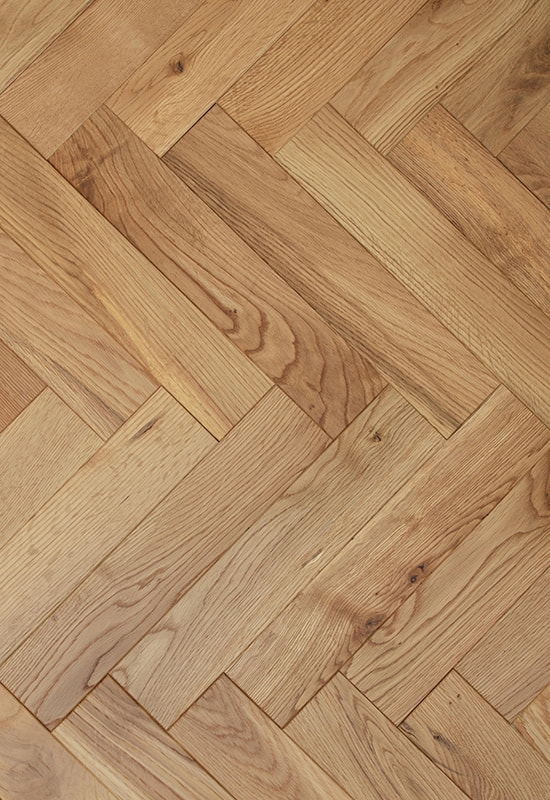
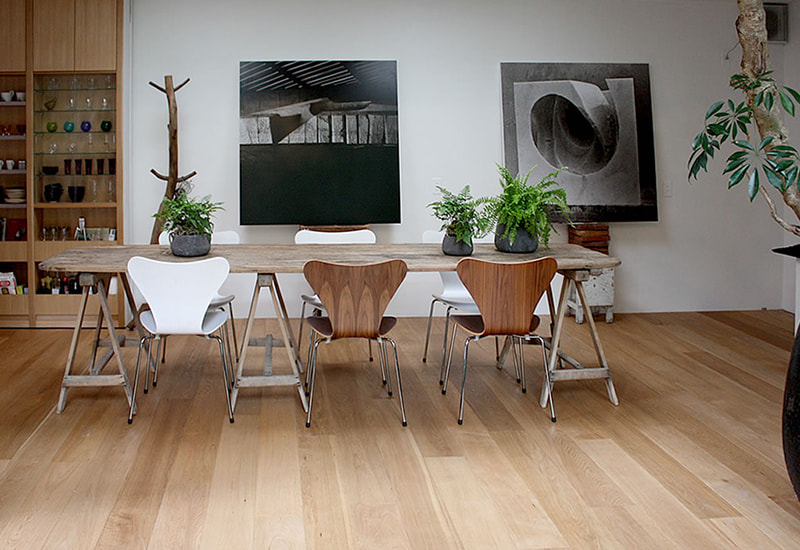 Natural White Oak OA001-9 Engineered FlooringEngineered white oak plank with a 2 mm solid wood top layer and multiple sizes and coating options for comparing veneer thickness before ordering.View Product →
For most homes, 3–4 mm is the sensible middle. A 2 mm floor can work in low-traffic rooms, but it leaves little room for error. For shops, hotels, and entrances, 4–6 mm is easier to defend because the maintenance plan can include future refinishing.
Reading a supplier specification without guesswork
A purchase order should not rely on a single phrase such as “3 mm wear layer”. It should define how that number is measured, where it is measured, and what tolerance is acceptable.
- Ask for measured veneer thickness at three points per plank, after calibration, not only the nominal press figure.
- Name the veneer cut and backing: sawn or sliced veneer, plywood or HDF core, and backing veneer thickness.
- Require finish type, gloss level, and surface texture. A deep-brushed floor may not tolerate the same sanding schedule as a smooth floor.
- Confirm profile geometry and, for click floors, the locking licence and tested veneer range.
- State moisture content, acclimation conditions, and packaging protection for the destination climate.
The core layer construction belongs in the same conversation: a thick wear layer on an unstable core is not a durable floor.
Surface texture, refinishing, and the limits of a thick veneer
Deep-brushed, handscraped, smoked, and distressed surfaces are not just visual choices. Sanding can flatten the texture that defines the product, and wire-brushed grain may expose soft earlywood faster than a smooth surface. Invisible-lacquer and oiled finishes also need different maintenance; neither is a substitute for enough veneer.
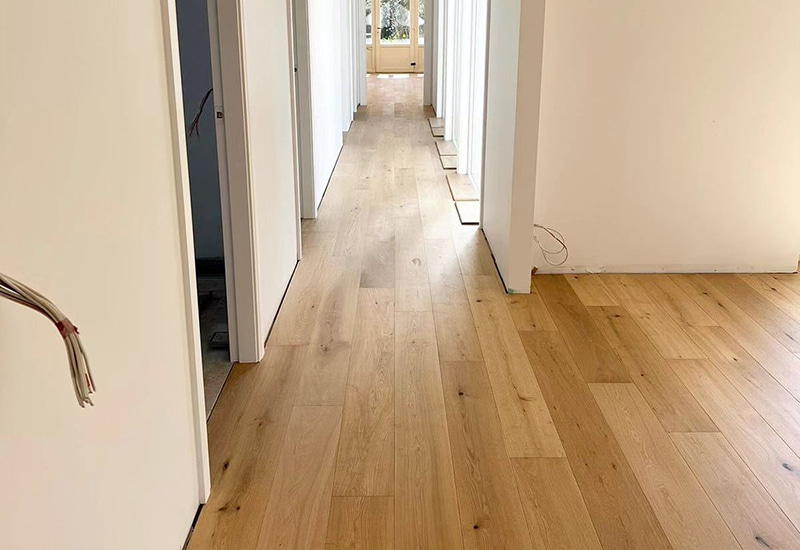
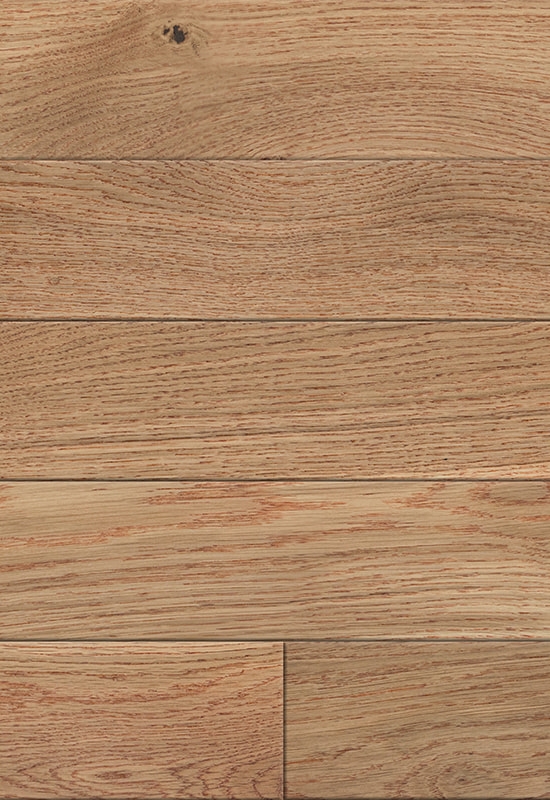
 Egerton White Oak Deep Brushed Engineered FlooringDeep-brushed white oak engineered plank with a 3 mm solid wood top layer, offered in multiple sizes and coatings for textured-floor projects.View Product →
A 4 mm wear layer does not rescue a floor that has been sanded through at an edge or damaged by water at the joints. Wear layer thickness protects the field of the board; edge care, humidity control, and correct cleaning protect the installation.
Application notes: residential, commercial, and underfloor heating
Residential and rental
For owner-occupied homes, 3–4 mm is a practical choice when the floor may be refinished once or twice. For rentals and short-hold projects, 1.5–2 mm can be rational if the specification accepts limited refinishing and the floor is protected at entrances.
Commercial and hospitality
In hotels, retail, and offices, specify 4–6 mm with a written refinishing and maintenance plan. Use entrance matting, avoid wet mopping, and keep a batch of matching planks for repairs. The wear layer is only one line in the lifecycle cost.
Underfloor heating and HDF cores
Engineered floors with 3–4 mm wear layers are commonly used over underfloor heating when the core and adhesive are suitable. HDF cores offer a smooth, stable base and consistent thickness, but edges still need moisture protection. Confirm the heating ramp-up programme and the maximum surface temperature with the floor supplier.
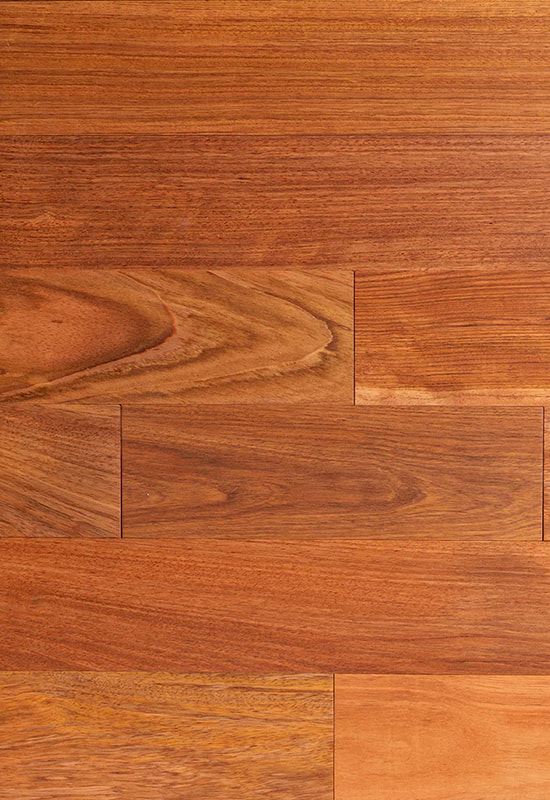
 Natural White Oak UV Lacquer HDF Flooring OA001-7HDF-based white oak engineered flooring with UV lacquer and a 1.2 mm top layer, available in several plank sizes.View Product →
HDF engineered floors are not waterproof; the wear layer does not seal the joints. In kitchens and bathrooms, specify edge sealing and prompt spill control.
Procurement checks that protect the specification
A supplier's factory controls matter as much as the catalogue number. JESONWOOD, a manufacturer in Huzhou with 80,000 m² monthly pre-finished capacity, monitors production stages and uses third-party tests for finishes and adhesives. Its certifications include FSC, PEFC, CE, JAS, UKCA, and a licensed click system.
- Request a measured veneer report and a retained sample for the approved batch.
- Check chain-of-custody and species declarations against the destination market.
- Verify finish adhesion, dimensional stability, and moisture content before shipment.
- Match stair nosings, reducers, and skirting to the same wear layer and finish batch.
For export markets, ask how the supplier handles Lacey Act and EUDR due diligence. JESONWOOD's sustainability and material-legality controls are part of that review, not a substitute for your own sample approval.
The right engineered wood wear layer is the thinnest veneer that still satisfies the traffic load, refinishing plan, and installation constraints. Specify the actual measured thickness, the veneer cut, the core, and the finish—then keep a sample. That combination is what makes a wear layer number meaningful.

 +86-572-2118015
 No.598. Gaoxin Road, Huanzhu Industrial Zone, Huzhou City, Zhejiang Province, China, 313000
