

 Eng
Eng  English
 中文简体
中文简体 Français
Content
- 1 What White Oak and Red Oak Cost in 2026
- 2 Why White Oak Usually Costs More
- 3 Grade, Cut, and Specification Change the Price
- 4 Flooring vs Lumber: Converting Board Feet to Square Feet
- 5 Engineered and HDF White Oak: Lower Oak Content, Different Cost
- 6 Delivered Cost: What Buyers Actually Pay
- 7 Project Math: Three Flooring Budgets
- 8 Procurement Checklist for Red Oak and White Oak
- 9 Bottom Line
Buyers comparing white oak and red oak often find two prices: the lumber yard quote and the delivered flooring quote. The gap between them is rarely a single number. Species supply, grade, cut, face thickness, finish, freight and installation all move the final cost, sometimes enough to reverse the order of the cheapest option.
The figures below are indicative 2026 prices in US dollars. Treat them as planning ranges, not contract prices. Regional stock, order volume, currency and specification details can move a quote by 15% or more.
What White Oak and Red Oak Cost in 2026
Red oak is generally the lower-cost species at the lumber stage because it is more abundant and easier to source in large, consistent batches. White oak carries a premium in most markets, but the premium narrows in lower flooring grades and widens for quarter sawn or rift sawn material.
| Form | Red oak | White oak | Typical white oak premium |
|---|---|---|---|
| Rough lumber, FAS, 4/4, per board foot | $3.00–$5.50 | $4.50–$7.50 | 25–50% |
| Rough lumber, #1 Common, 4/4, per board foot | $2.00–$4.00 | $3.00–$5.50 | 30–50% |
| Quarter sawn select, per board foot | $4.50–$7.00 | $6.35–$10.00 | 30–60% |
| Solid flooring, 3/4 in, per square foot | $5.00–$9.00 | $6.00–$11.00 | 15–40% |
| Engineered flooring, per square foot | $4.00–$7.50 | $4.50–$9.00 | 10–35% |
| Installed flooring, per square foot | $9.00–$15.00 | $10.00–$17.00 | 10–30% |
For a wider view of installation, tear-out and finishing costs, see this 2026 wood flooring cost guide. The important comparison is always like-for-like: same grade, same cut, same width, same moisture content and same delivery terms.
Why White Oak Usually Costs More
White oak is not simply a prettier red oak. The two species differ in pore structure, color and demand. White oak has closed pores and tyloses that slow water movement, which supports demand from flooring, furniture, cooperage and exterior projects. That demand competes with flooring buyers for the same logs. Red oak is more plentiful and has an open-pore structure with a pink or golden undertone; it is widely used in staining and in older North American homes.
Four cost drivers matter most:
- Supply: red oak logs are generally more available in the grades and widths flooring plants need.
- Yield: white oak often requires more careful grading and trimming to remove sapwood, checks and color variation, lowering usable yield.
- Processing: drying, machining and finishing white oak to a consistent neutral tone can require tighter process control.
- Demand: white oak is the default specification for many modern neutral floors, so buyers pay for appearance consistency as well as the wood itself.
Grade, Cut, and Specification Change the Price
A #1 Common red oak floor can cost less than a select grade white oak floor, but a clear white oak plank and a character red oak plank may overlap in price once finishing and freight are included. Grade rules matter. Under NHLA grading, FAS is the cleanest grade, #1 Common allows more natural defects, and flooring grades are often written to a supplier's own face and length rules.
Cut is the second large variable. Plain sawn material yields more square feet from a log. Quarter sawn and rift sawn white oak produce straighter grain and less seasonal movement, but they yield less and commonly carry a 20–60% premium over plain sawn. Width and length also matter: a 7-inch wide plank with long average lengths costs more than a 3-inch strip floor because the mill must cut around more defects.
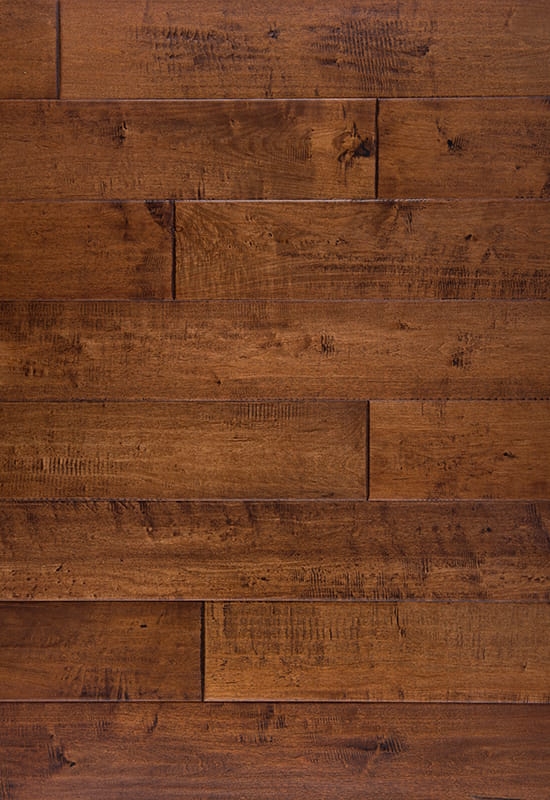
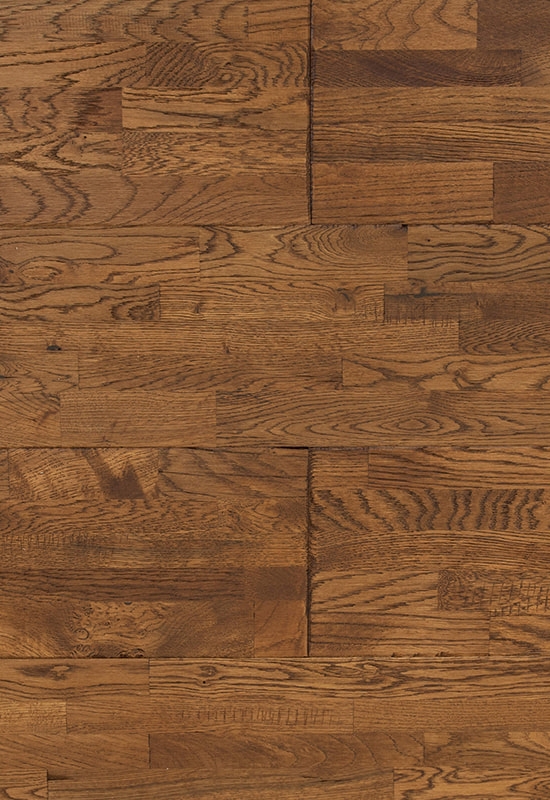
For a hand-scraped solid white oak specification, a product example shows the combination of 125 mm width, brushed surface and distressed detail. Buyers should confirm that the same grade and moisture standard are quoted by every supplier.
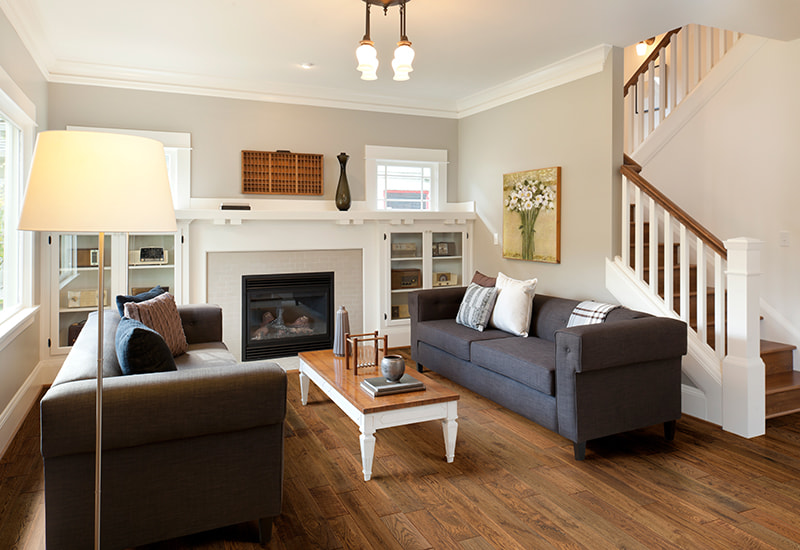 White Oak 125 Hand-Scraped Distressed Solid Wood FlooringSolid white oak flooring in 125 mm width with hand-scraped and distressed treatment, available in three color models for rustic interiors.View Product →
Flooring vs Lumber: Converting Board Feet to Square Feet
Lumber is priced per board foot; flooring is priced per square foot. A board foot is 144 cubic inches, calculated as thickness in inches × width in inches × length in feet ÷ 12. At 3/4 inch thick, one board foot represents about 1.33 square feet of raw surface, before trimming, defects and end waste. In practice, plan on roughly 0.9–1.1 board feet per square foot of finished floor, depending on grade and plank length.
This is why a $4.00 per board foot red oak quote cannot be compared directly with an $8.00 per square foot white oak flooring quote. Add milling, sanding, finishing, packaging and freight to the lumber price before comparing. For imported flooring, also separate FOB, CIF and DDP terms; the same product can look 10–20% different once freight and duty are allocated.
Engineered and HDF White Oak: Lower Oak Content, Different Cost
Engineered white oak reduces the volume of solid oak by using a plywood or HDF core with a real oak face. A 2 mm face on an HDF core can cost less than a 4 mm face on a plywood core, but the two products do not perform the same under foot traffic, moisture swings or refinishing. For projects where the white oak look is required but the solid oak budget is not, engineered plank is often the middle path.
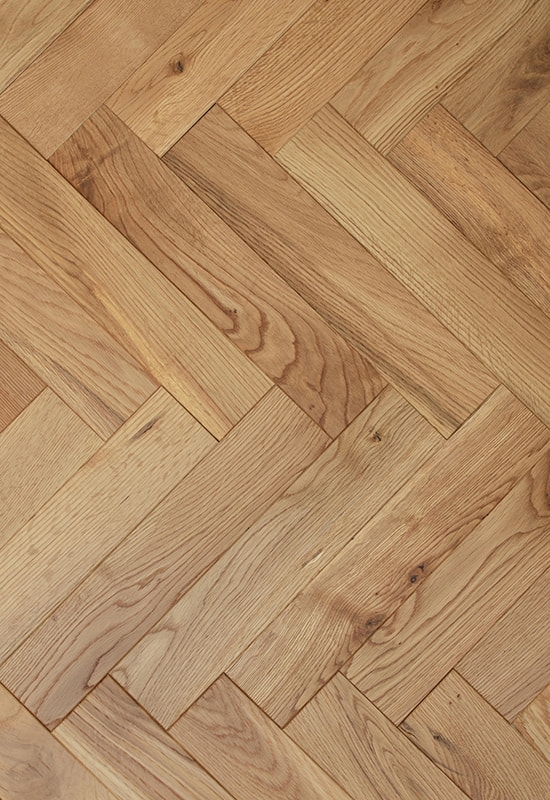
A natural white oak engineered plank can deliver a consistent neutral floor with a thinner oak wear layer. Buyers should ask for face thickness, core type, dimensional tolerance and the number of allowed refinishes.
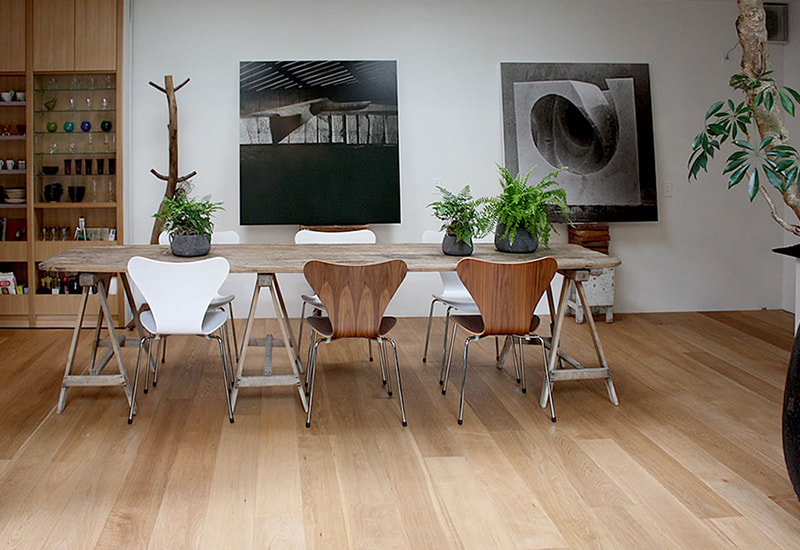 Natural White Oak OA001-9 Engineered PlankEngineered white oak plank with a 2 mm solid top layer, light-brushed UV-oiled surface and multiple size options for consistent neutral floors.View Product →
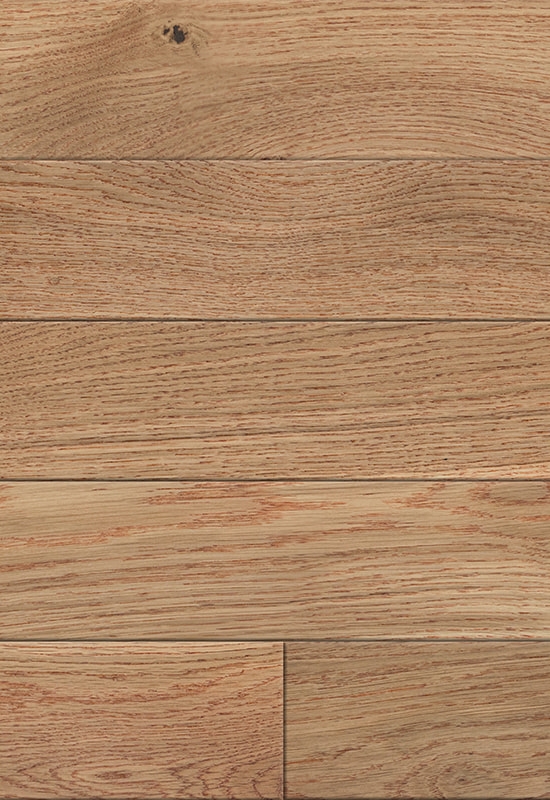
HDF-core white oak is another option for stable indoor environments, especially where acoustic underlay and click or glue systems are specified. It is not a direct substitute for solid white oak in every project, but it can lower the delivered cost per square foot while keeping a real wood surface.
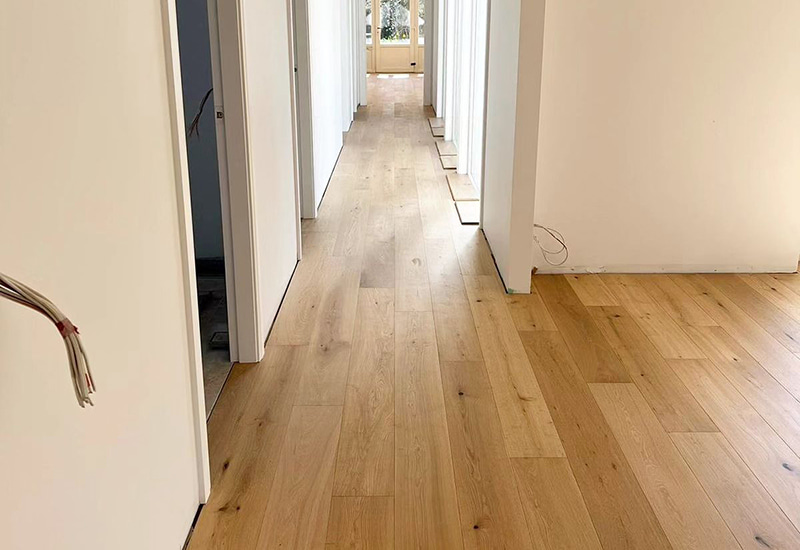 Natural White Oak UV Lacquer HDF Flooring OA001-7HDF-core engineered white oak with a 1.2 mm top layer and UV lacquer finish, suited to living rooms, bedrooms and corridors.View Product →
Delivered Cost: What Buyers Actually Pay
On a delivered flooring order, material is often 55–70% of the landed cost. Freight, packaging, duty and port handling can add 8–20%, and installation, underlayment, trim and waste can add another 25–45% of the project budget. A white oak floor that looks 15% more expensive at the material stage may end up only 8–10% more expensive after installation.
Compliance also has a cost, even when it does not appear as a line item. Suppliers shipping to the United States and European Union need to manage Lacey Act and EUDR due diligence, species declarations and chain-of-custody records. JESONWOOD's manufacturing and compliance profile describes its material legality department, FSC and PEFC certification, and in-process quality control, which are relevant when comparing quotes from different origins.
Project Math: Three Flooring Budgets
The table below uses a 1,000 square foot residential project to show how species and construction change the budget. The numbers are illustrative and exclude stairs, tear-out, tax and unusual subfloor preparation.
| Option | Material | Installation | Total |
|---|---|---|---|
| Red oak solid, select grade | $6,500 | $3,500 | $10,000 |
| White oak solid, select grade | $8,500 | $4,000 | $12,500 |
| White oak engineered, 2–3 mm face | $6,000 | $3,000 | $9,000 |
In this example, solid white oak carries a $2,500 premium over solid red oak. Engineered white oak is $1,000 less than solid red oak at the material stage, but the buyer gives up refinishing depth and must accept a different substrate and installation method. The right choice depends on whether the project is matching an existing floor, maximizing resale value or controlling first cost.
Procurement Checklist for Red Oak and White Oak
Use the same checklist for both species so the quotes are comparable:
- Species and group: state red oak group or white oak (for example, Quercus alba) and prohibit mixed species without written approval.
- Grade: specify NHLA grade or a written flooring grade, including allowed sapwood, knots and filler.
- Cut: plain sawn, quarter sawn or rift sawn; require a sample for grain and color.
- Dimensions: thickness, width, length sorting and tolerance, such as ±0.5 mm on width for engineered planks.
- Moisture: require 6–9% at packing for solid interior flooring and verify with a meter on arrival.
- Finish: sheen, abrasion class, VOC limit and touch-up system; confirm the same finish on the sample and the order.
- Compliance: FSC or PEFC where required, Lacey Act and EUDR due diligence records, and a signed declaration of species and origin.
- Freight and inspection: compare FOB, CIF and DDP, request container moisture protection and book a pre-shipment inspection.
Bottom Line
White oak usually costs more than red oak, often by 10–40% at the flooring stage and up to 60% for quarter sawn select material. The premium is real but not fixed. Grade, cut, width, face thickness, finish and freight can close the gap or widen it. Red oak remains the value choice and the easier match for many older floors; white oak commands its price through neutral color, water resistance and strong design demand. Compare quotes on the same specification, then decide whether the difference buys the appearance and performance the project actually needs.

 +86-572-2118015
 No.598. Gaoxin Road, Huanzhu Industrial Zone, Huzhou City, Zhejiang Province, China, 313000