

 Eng
Eng  English
 中文简体
中文简体 Français
Content
- 1 What Is the Actual Difference Between a Factory and a Trading Company?
- 2 Pricing: How Big Is the Difference?
- 3 Customization: Where Factories Have a Clear Edge
- 4 Quality Control: Who Is Actually Watching the Production Line?
- 5 Compliance and Certification: A Growing Priority for Global Buyers
- 6 When a Trading Company Makes Sense
- 7 How to Verify You're Actually Talking to a Factory
- 8 Making the Right Choice for Your Business
If you've spent any time sourcing wood flooring from China, you've likely faced the same question: should you buy directly from a factory, or work through a trading company? Both options are widely used, and both come with real trade-offs. The right answer depends on what you're sourcing, how much you're ordering, and what level of control matters most to your business.
This article breaks down the practical differences — pricing, customization, quality control, communication, and compliance — so you can make a more informed decision before you place your next order.
What Is the Actual Difference Between a Factory and a Trading Company?
A factory manufactures the product itself. It owns production lines, employs workers, and controls the entire process from raw material sourcing to finished goods. When you work with a factory, you're buying directly from the source.
A trading company does not manufacture anything. It acts as an intermediary, purchasing products from one or more factories and reselling them to international buyers. Trading companies often have strong language skills, established export processes, and broad product portfolios — but they sit between you and the actual production.
In practice, the line is sometimes blurry. Some factories have trading arms, and some trading companies have exclusive agreements with specific factories. The important question isn't just "are you a factory?" — it's "how much control do you actually have over production?"
Pricing: How Big Is the Difference?
This is usually the first question buyers ask, and the honest answer is: it varies, but the gap is real.
Trading companies add a margin — typically 10% to 30% — on top of the factory price. For high-volume orders of standardized products, this can represent a significant cost over time. For a container of engineered wood flooring, that margin could easily amount to several thousand dollars per shipment.
Factory-direct pricing eliminates this markup. You're paying the production cost plus the factory's own margin, without an additional layer in between. For buyers placing regular, volume orders, this difference compounds quickly.
That said, trading companies sometimes have advantages in negotiating with multiple suppliers simultaneously, which can offset some of their margin on certain product categories. If you're buying a very small quantity or a mix of products from different factories, a trading company may still offer competitive all-in pricing.
Customization: Where Factories Have a Clear Edge
If customization matters to your business — and for most serious flooring importers, it does — working directly with a manufacturer is significantly more practical.
When you work factory-direct, you can discuss:
- Custom dimensions (width, length, thickness)
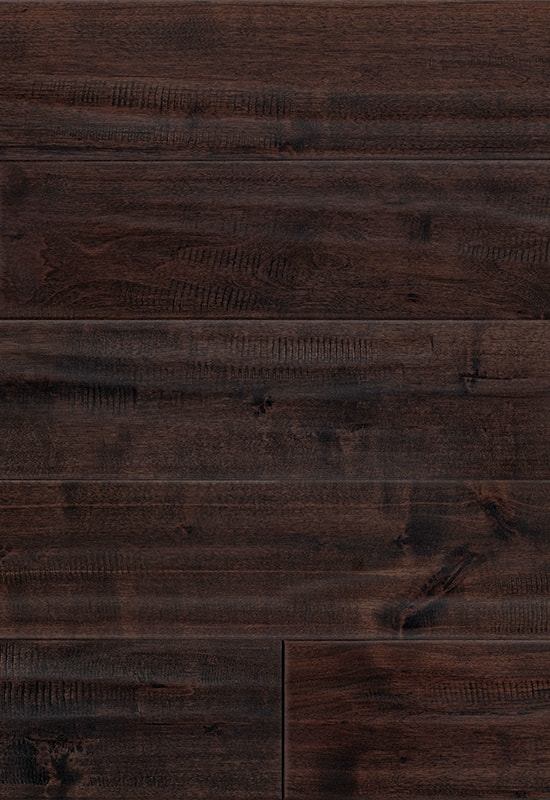
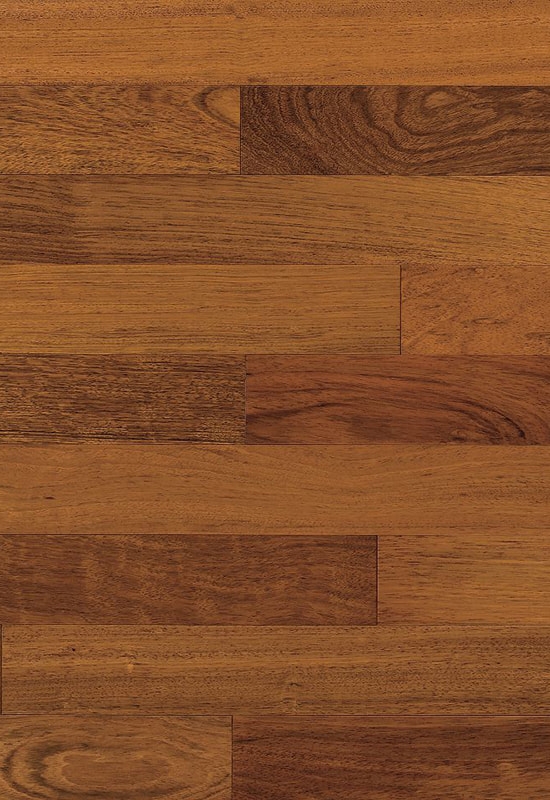
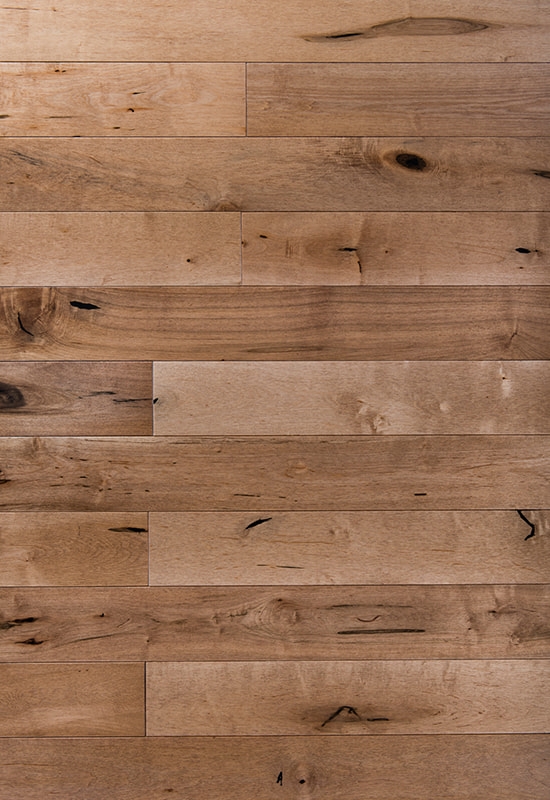
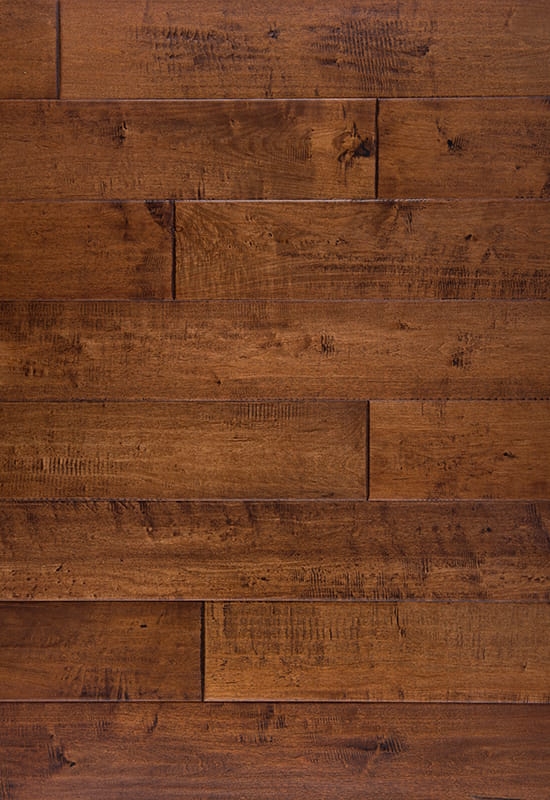
- Surface finishes — brushed, hand-scraped, smoked, white-washed, and more
- Wood species selection (White Oak, Black Walnut, Birch, Acacia, Maple, etc.)
- Coating type and sheen level
- OEM/private label packaging and branding
- Installation system (click, glue-down, nail-down)
With a trading company, requests like these must be relayed to the factory, approved by the factory, and then communicated back to you. Every additional step introduces delays, potential miscommunication, and the risk that your specifications don't make it through accurately. For straightforward stock products, this isn't a major issue. For custom projects, it can cause real problems.
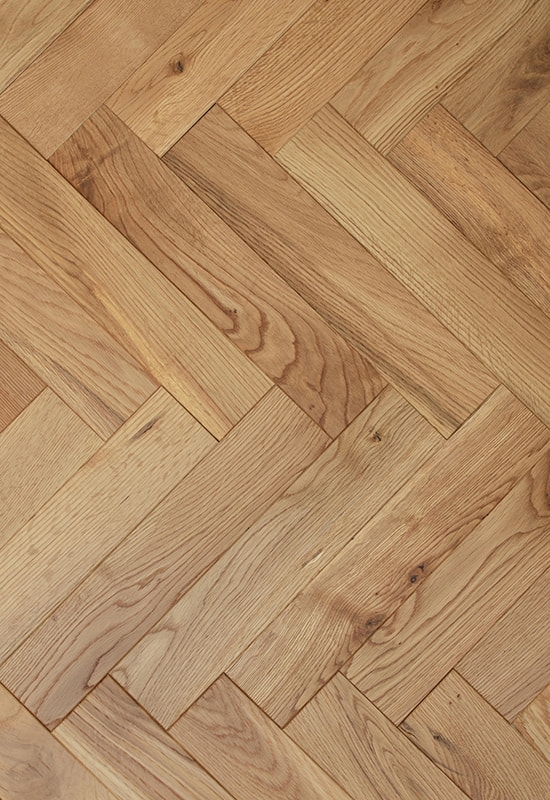
Our engineered wood flooring range, for example, includes plank, herringbone, and chevron formats — and each can be customized in terms of species, finish, dimension, and installation method. That level of flexibility is only possible when you're speaking directly with the people making the product.
Quality Control: Who Is Actually Watching the Production Line?
Quality control is arguably the most important factor in this decision — and one of the most overlooked.
When you source factory-direct, your quality requirements are communicated directly to the team that controls production. You can request samples, conduct factory audits, specify grading standards, and — if problems arise — address them at the source. There are no intermediaries filtering or softening your feedback.
With a trading company, quality control is indirect. The trading company passes your specifications to the factory, but they may have limited leverage over how those specifications are interpreted or enforced. If a batch doesn't meet your standards, the trading company must negotiate with the factory on your behalf — and may not always prioritize your interests over maintaining their supplier relationship.
For wood flooring specifically, quality consistency matters enormously. Variations in moisture content, surface finishing, grading, and dimensional accuracy can directly affect installation quality and end-customer satisfaction. Buyers who work factory-direct consistently report more reliable quality outcomes, particularly when they've established a long-term relationship with a single manufacturer.
| Factor | Factory Direct | Trading Company |
|---|---|---|
| Pricing | Lower (no middleman margin) | 10–30% markup typical |
| Customization | Direct negotiation, faster turnaround | Requires relay, prone to errors |
| Quality Control | Direct oversight possible | Indirect, limited leverage |
| Communication | Direct with production team | Through intermediary |
| Compliance Documentation | Issued directly by manufacturer | May involve third-party sourcing |
| Product Range | Focused on own production | Can source from multiple factories |
Compliance and Certification: A Growing Priority for Global Buyers
For buyers importing into the EU, the US, UK, or Japan, regulatory compliance is no longer optional. The EU Deforestation Regulation (EUDR), the US Lacey Act, and equivalent legislation in other markets require importers to demonstrate that their wood products originate from legally harvested sources.
When you buy factory-direct, certifications are issued by the manufacturer — the entity that actually controls the raw material supply chain. Traceability is cleaner, documentation is more reliable, and your due diligence is easier to demonstrate. You can request audit reports, chain-of-custody certificates, and species verification directly from the people responsible for sourcing the wood.
With a trading company, the compliance picture is more complicated. The trading company may not fully control what factory they source from, or may switch suppliers between orders. Certifications may exist on paper but be difficult to verify in depth.
For reference, the certifications that matter most for wood flooring imports typically include:
- FSC or PEFC — chain-of-custody certification for responsible forestry
- CE marking — required for construction products sold in the EU
- UKCA — the UK equivalent of CE post-Brexit
- JAS — required for the Japanese market
- DDS (Due Diligence System) — documentation required under EU timber regulations
Our company profile outlines the full range of certifications we hold, including FSC, PEFC, CE, UKCA, JAS, ISO, DDS, and Välinge Click Licence — all issued directly by us as the manufacturer.
When a Trading Company Makes Sense
In fairness, trading companies do have legitimate advantages in certain situations:
- Very small orders: If your order volume is too low to meet factory minimums, a trading company may consolidate shipments from multiple buyers.
- Mixed product sourcing: If you need flooring plus tiles plus accessories from different manufacturers, a trading company can act as a single point of contact.
- Language or logistics barriers: In some cases, trading companies offer stronger English support or more developed export logistics infrastructure than smaller factories.
However, for buyers who are focused on wood flooring specifically — and who are ordering at any meaningful volume — these advantages rarely outweigh the costs of working through an intermediary.
How to Verify You're Actually Talking to a Factory
Not every supplier who claims to be a factory is one. Here are practical steps to verify:
- Request a factory audit or video tour. A genuine manufacturer will have production lines, equipment, and workers to show you. Ask for a live video walkthrough or plan a factory visit.
- Check business registration documents. A factory will have a manufacturing business license. A trading company will have a trading license. These are different classifications in China's business registration system.
- Verify certifications are issued to the factory, not a third party. FSC and PEFC certificates include the name and address of the certified entity. If the certificate names a different company than the one you're dealing with, ask why.
- Ask about production lead times and capacity. A factory can give you specific answers about their current schedule, machine capacity, and production calendar. A trading company will typically need to "check with the factory" before responding.
- Request raw material sourcing documentation. Under EUDR and Lacey Act compliance, a factory should be able to provide documentation on where its timber originates. If the supplier can't produce this, that's a red flag regardless of whether they're a factory or trader.
Making the Right Choice for Your Business
For most wood flooring importers — whether you're a distributor, a retailer building a private label range, or a contractor sourcing for large commercial projects — buying factory-direct offers meaningful advantages across price, quality, customization, and compliance.
The key is finding a manufacturer that combines production capability with strong export experience and communication. Not all factories have both. A factory with 15+ years of international export experience, established certifications, and a dedicated sales team offers the best of both worlds: manufacturer pricing with the service level you'd expect from a professional trading operation.
If you're evaluating your current supply chain or looking for a reliable factory-direct source for solid wood flooring or engineered wood flooring, we're happy to answer specific questions about our production capabilities, minimum order quantities, and certification documentation. Contact our team to start a conversation.

 +86-572-2118015
 No.598. Gaoxin Road, Huanzhu Industrial Zone, Huzhou City, Zhejiang Province, China, 313000