

 Eng
Eng  English
 中文简体
中文简体 Français
Content
- 1 What Makes Wood Flooring Truly Durable?
- 2 Most Durable Wood Species for Flooring
- 3 Solid vs Engineered: Which Is More Durable Long Term?
- 4 Most Durable Finishes and Surface Treatments
- 5 Best Durable Wood Flooring Choices by Room and Lifestyle
- 6 Maintenance Habits That Extend Wood Floor Durability
- 7 Key Takeaways When Choosing the Most Durable Wood Flooring
What Makes Wood Flooring Truly Durable?
When people search for the most durable wood flooring, they usually want floors that resist dents, scratches, and daily wear while still looking beautiful for years. Durability isn’t just about choosing a hard species of wood; it also depends on the construction of the flooring, the finish on top, where it is installed, and how it is maintained. Understanding these factors helps you pick a floor that actually matches your household’s traffic level, lifestyle, and budget.
In practice, durable wood flooring means a surface that holds up to kids, pets, heavy furniture, and regular cleaning without quickly showing deep scratches, cupping, or color fading. Below, we will look at the most durable species, compare solid vs engineered options, and review finishes, installation locations, and care strategies that maximize lifespan.
Most Durable Wood Species for Flooring
The base wood species is the foundation of durability. Harder woods resist dents and wear better, especially in high‑traffic areas like hallways, entryways, and living rooms. A common way to compare hardness is the Janka hardness scale, which measures how resistant the wood is to indentation. While hardness is not the only factor in durability, it gives a useful starting point when comparing species.
Top Durable Wood Species and How They Differ
Some wood species stand out for exceptional hardness and stability. Choosing one of these can significantly improve the long‑term performance of your floors, especially in busy homes or light commercial environments.
| Wood Species | Approx. Janka Rating (lbf) | Durability Notes |
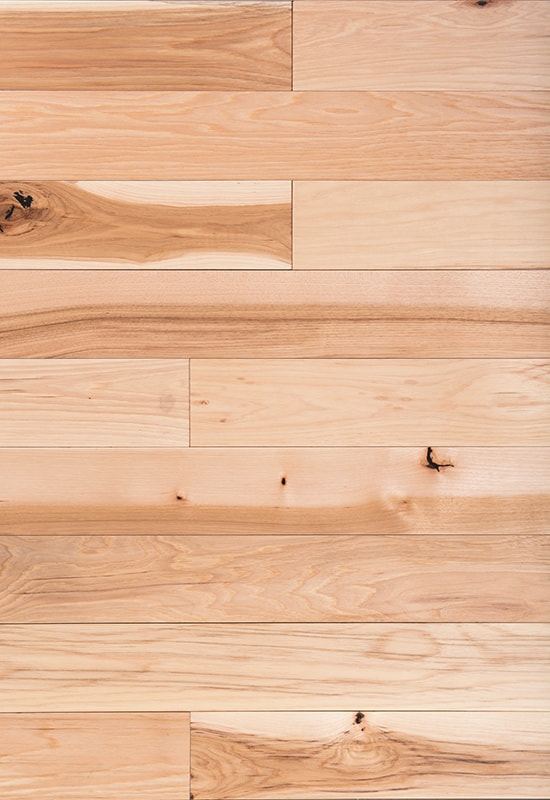
| Hickory | ~1820 | Extremely hard, great for high‑traffic homes, pronounced grain hides wear. |
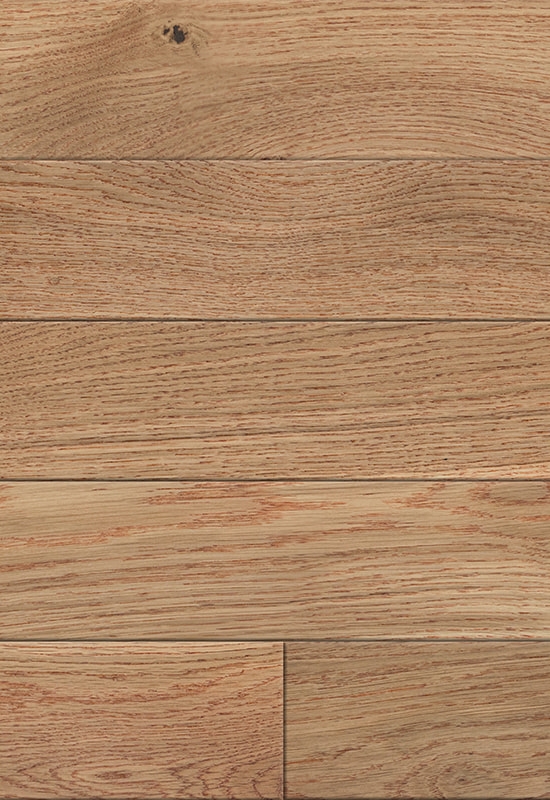
| White Oak | ~1360 | Balanced hardness, good stability, classic choice for durable floors. |
| Red Oak | ~1290 | Slightly softer than white oak but still durable and easy to refinish. |
| Maple (Hard Maple) | ~1450 | Very dense and hard; smooth grain shows scratches more easily. |
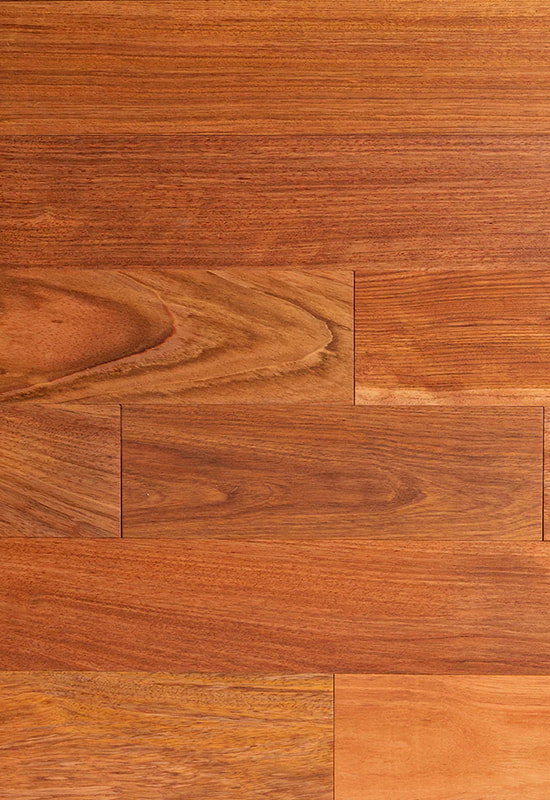
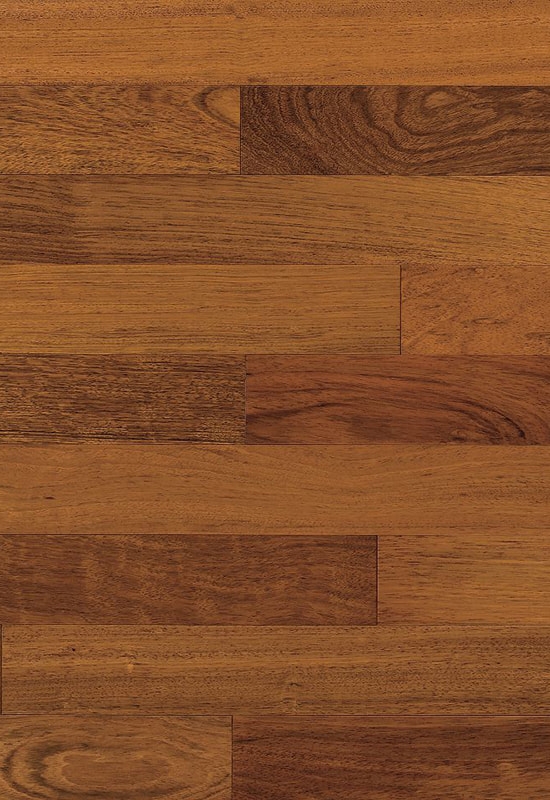
| Brazilian Cherry (Jatoba) | ~2350 | Extremely hard and wear‑resistant; darker color hides imperfections. |
| Bamboo (Strand‑Woven) | Varies, often >3000 | Technically grass, but strand‑woven products are extremely hard and durable. |
For most households, species like hickory, white oak, and hard maple offer an excellent balance between hardness, stability, and availability. Exotic woods and strand‑woven bamboo provide even higher hardness but may come with higher cost, color variation, or more complex installation requirements.
Species Selection Tips for Real‑World Use
- For families with kids and large dogs, choose harder species like hickory or strand‑woven bamboo to minimize dents from claws and dropped toys.
- If you prefer a classic, versatile look, white oak is one of the best all‑around choices for durability, stain flexibility, and resale appeal.
- In formal spaces with less traffic, red oak and maple still provide good durability and can be refinished multiple times if needed.
- Exotics like Brazilian cherry work well for long‑term wear but may darken significantly over time and are harder to match later.
Solid vs Engineered: Which Is More Durable Long Term?
Beyond species, the construction of the wood flooring impacts how it responds to temperature, humidity, and structural movement. The two primary types are solid wood and engineered wood. Both can be very durable, but they perform differently in various environments and installation conditions.
Solid Wood Flooring Durability
Solid hardwood planks are made from a single piece of wood, usually 3/4 inch thick. Their main durability advantage is the ability to be sanded and refinished multiple times over their lifespan. This makes them ideal for homeowners planning to stay in a property long term and who want floors that can be refreshed every decade or so. However, solid wood is more sensitive to moisture and humidity changes, which can lead to cupping, gapping, or warping if not installed and acclimated properly.
- Best in above‑grade rooms with stable indoor climate.
- Can be refinished several times for a like‑new surface.
- Not recommended directly over concrete or in basements due to moisture risks.
Engineered Wood Flooring Durability
Engineered wood flooring consists of a real hardwood wear layer on top of multiple cross‑laminated layers of plywood or similar materials. This structure dramatically improves dimensional stability, making engineered floors more resistant to moisture‑related movement. A high‑quality engineered floor can be very durable, especially if it has a thick wear layer that allows at least one or two refinishes over time.
- More stable in humidity swings, suitable for basements and over concrete when installed correctly.
- Often comes with tough factory finishes that resist scratching and staining.
- Refinishing potential depends on wear‑layer thickness; thinner products may not be sandable.
When durability is defined as resistance to environmental changes and everyday wear, high‑quality engineered flooring with a strong factory finish often performs better in challenging spaces. When durability is defined as ultimate lifespan and the ability to be renewed many times, thick solid hardwood still has an advantage in the right conditions.
Most Durable Finishes and Surface Treatments
Even the hardest wood can wear quickly if the finish is weak. The finish acts as a protective shield against foot traffic, pet claws, spills, and UV light. Modern finishes vary widely in terms of hardness, repairability, and appearance. Choosing the right one is just as important as selecting the species itself.
High‑Durability Finish Types
- Aluminum‑oxide factory finishes: Pre‑finished wood flooring often uses aluminum‑oxide enhanced polyurethane. This is one of the most durable finishes available, resisting abrasion and micro‑scratches exceptionally well. It is perfect for busy households but harder to spot‑repair on site.
- Water‑based polyurethane (site‑finished): Modern water‑based polyurethanes dry fast, are low in odor, and create a clear, durable film. They are slightly less tough than premium aluminum‑oxide finishes but easier to recoat and blend when refinishing.
- Oil‑based polyurethane: Oil‑based poly is traditional and forms a durable, amber‑toned coating. It is slower to cure and has more odor during application but provides a resilient finish that can be recoated over time.
- Hardwax oil: Penetrating finishes like hardwax oils create a more natural, matte look and can be spot‑repaired in small areas without refinishing the entire floor. They may show wear faster in very high‑traffic zones but are easy to maintain with periodic re‑oiling.
Textured Surfaces That Hide Wear
Surface texture also plays a big role in perceived durability. Even when a smooth floor is technically tough, minor scratches and dents show more clearly on a glossy surface. Textured options help camouflage everyday wear, allowing the floor to look better for longer between maintenance cycles.
- Wire‑brushed: Lightly removes softer springwood and highlights the grain, making small scratches much less visible.
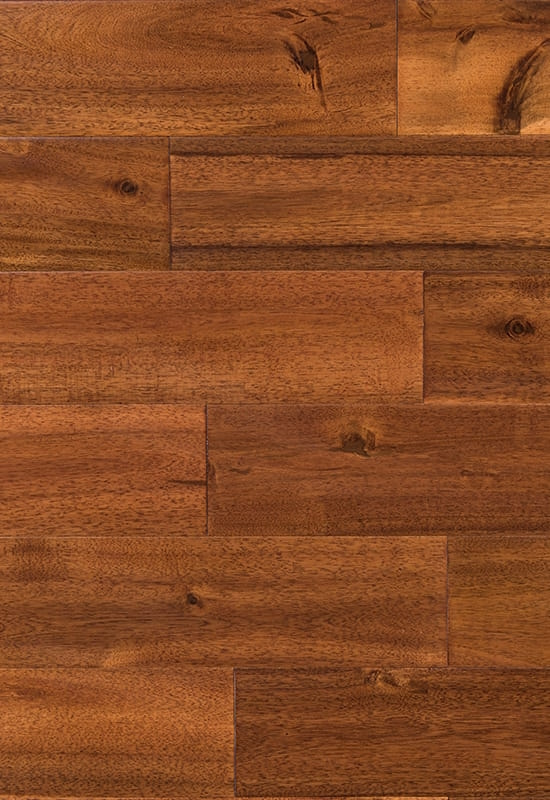
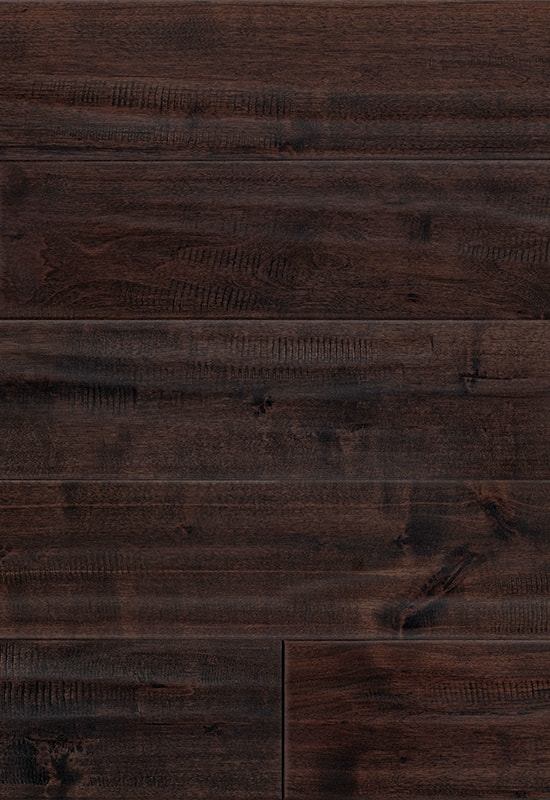
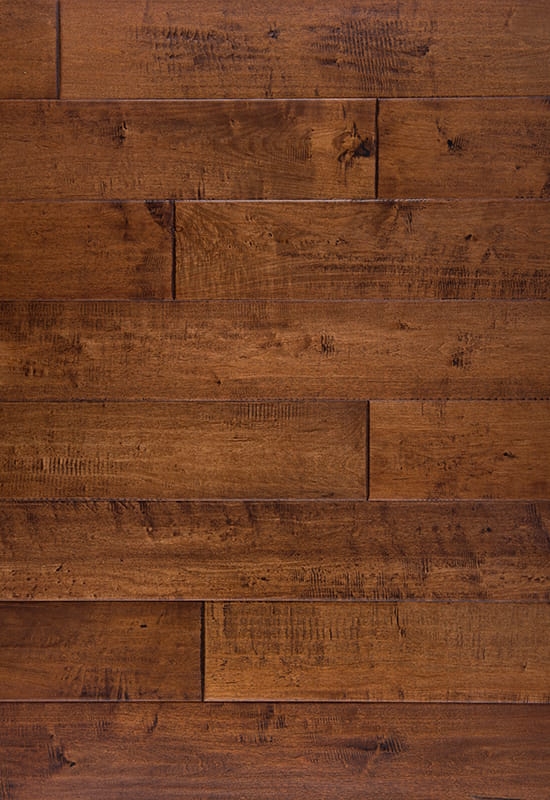
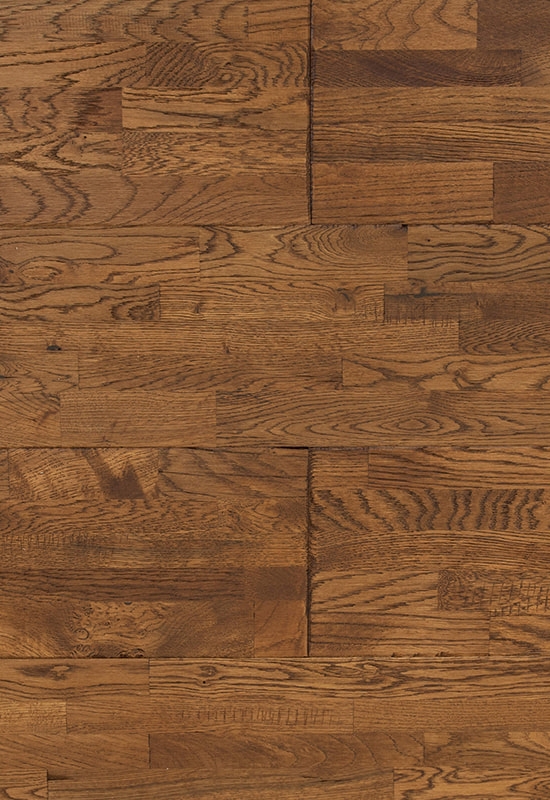
- Hand‑scraped or distressed: Intentionally rustic surfaces where new dents and scratches blend into the existing character.
- Low‑sheen or matte finishes: Lower gloss levels reduce light reflection, so fine surface marks are harder to see compared with high‑gloss floors.
For maximum real‑world durability, many homeowners choose a wire‑brushed white oak or hickory with a matte, aluminum‑oxide factory finish. This combination resists wear and makes the inevitable small marks almost invisible.
Best Durable Wood Flooring Choices by Room and Lifestyle
Not every room needs the same level of durability, and not every household treats their floors the same way. Matching the flooring type to the space and lifestyle is the most practical way to get long‑lasting performance without overspending on unnecessary features.
High‑Traffic Entryways and Hallways
Entryways and hallways typically see the most foot traffic, as well as dirt and grit from outdoors. Here, the goal is maximum scratch resistance and a finish that is easy to clean. A harder species, durable finish, and practical layout can keep these areas looking good despite daily use.
- Choose hickory, white oak, or strand‑woven bamboo with a factory aluminum‑oxide finish.
- Favor textured, matte surfaces to hide micro‑scratches from grit.
- Use entry mats and runners in the highest‑traffic lanes for added protection.
Living Rooms and Open‑Plan Spaces
Living areas mix everyday activity with visual impact, so they require wood flooring that is both durable and attractive. These rooms often contain heavy furniture, so resistance to dents and the ability to handle rearranging the layout is important.
- Engineered white oak with a thick top layer is a reliable balance of durability and style.
- Use felt pads under furniture legs to prevent deep dents when moving pieces.
- Consider wider planks for aesthetics, but ensure they are properly acclimated and installed to avoid movement issues.
Kitchens and Dining Areas
Kitchens and dining rooms combine foot traffic, food spills, chairs sliding, and occasional dropped objects. While solid wood can be used in these areas, engineered wood with a tough finish usually offers more stability against moisture, especially over time. The most durable kitchen wood floors are those that balance water resistance, scratch resistance, and practical maintenance.
- Choose engineered oak or hickory with aluminum‑oxide finish for better spill resistance than site‑finished floors.
- Place washable rugs near sinks and dishwashers to protect from constant moisture.
- Add felt glides under dining chairs and avoid dragging heavy appliances across the floor.
Basements and Areas Over Concrete
Basements and concrete slabs are more prone to moisture and temperature swings, which can severely affect solid hardwood. In these locations, durability depends less on hardness and more on stability and proper moisture management. High‑quality engineered products are typically the safest, longest‑lasting choice here.
- Use engineered wood rated for below‑grade installation, following the manufacturer’s moisture testing recommendations.
- Install a proper vapor barrier or underlayment designed for wood over concrete.
- Maintain humidity levels with dehumidifiers if the basement tends to be damp.
Maintenance Habits That Extend Wood Floor Durability
No matter how durable the species, construction, and finish, poor maintenance can shorten the life of any wood floor. Simple, consistent habits will dramatically increase how long your floors stay attractive before needing major work. The goal is to minimize abrasive wear, control moisture, and address small issues before they become big problems.
Daily and Weekly Care
- Sweep, dust mop, or vacuum with a hardwood‑safe attachment several times a week to remove grit that can scratch the finish.
- Wipe up spills immediately; standing water is one of the biggest enemies of wood flooring.
- Use a damp, not wet, microfiber mop with a cleaner recommended by the floor or finish manufacturer.
Long‑Term Protection Strategies
- Maintain indoor humidity between roughly 35% and 55% to reduce seasonal gapping and cupping.
- Use protective mats at entrances and under rolling chairs to reduce wear in concentrated spots.
- Periodically recoat polyurethane finishes before they wear through to bare wood, which is much easier than a complete sanding and refinishing.
- Clip pet nails regularly to minimize scratching, especially on smoother, darker floors where marks show more easily.
With consistent basic maintenance and a sensible level of protection in high‑wear zones, even medium‑hard woods can perform exceptionally well. Combined with a durable finish, these habits are often the difference between floors that look tired after five years and floors that still look impressive after two decades.
Key Takeaways When Choosing the Most Durable Wood Flooring
Choosing the most durable wood flooring is less about finding a single “perfect” product and more about matching the right combination of species, construction, finish, and maintenance to your specific home. Harder woods like hickory, white oak, and strand‑woven bamboo provide excellent resistance to dents, while engineered construction improves stability in moisture‑prone locations. Tough factory finishes and low‑sheen, textured surfaces keep floors looking fresh longer, especially in busy households.
If you prioritize long‑term durability, focus on a proven hard species, high‑quality engineered or solid construction suited to your subfloor, and a resilient finish such as aluminum‑oxide or well‑applied polyurethane. Combine that with sensible cleaning and protection habits, and your wood flooring can stay beautiful and functional for many years, even under demanding everyday use.

 +86-572-2118015
 No.598. Gaoxin Road, Huanzhu Industrial Zone, Huzhou City, Zhejiang Province, China, 313000