

 Eng
Eng  English
 中文简体
中文简体 Français
Content
Your furniture can be swapped out. Your paint color can be changed in a weekend. But the floor stays — and it sets the visual temperature of every room it touches. Get it right, and even modest furnishings look intentional. Get it wrong, and no amount of styling will salvage the disconnect. That's why matching wood flooring to your interior design style is one of the highest-leverage decisions in any renovation. This guide breaks down three of today's most sought-after aesthetics — Nordic, American, and French — and maps each to the specific wood tones, patterns, and finishes that make them work.
Nordic Style: The Case for Pale Wood and Minimalist Calm
Nordic design is built on a single conviction: a well-lit, uncluttered space is a happier one. Born from the practical reality of long Scandinavian winters, this style prioritizes natural light, open sightlines, and materials that age with honesty. Wood flooring isn't merely decorative here — it's structural to the entire philosophy.
The defining move is pale tone. White oak with a lye or whitewash treatment, ash in its natural state, and Scots pine all deliver the soft, almost bleached blonde that defines the Nordic palette. These tones push light back into the room rather than absorbing it, creating the airy, expansive feel that makes Nordic interiors so photogenic. Matte or very low-sheen finishes are non-negotiable — a glossy floor would shatter the restrained, naturalistic mood instantly.
Plank width has also shifted in this genre. Where narrow strip floors once dominated, wider boards — 180mm to 240mm — are now the preferred choice. Fewer seams mean the eye travels further without interruption, reinforcing the sense of openness. For a subtle upgrade in texture, wire-brushed surfaces add depth without visual noise.
Pairing guidance: keep walls white or warm off-white. Furniture should be low-profile with clean, functional lines — natural oak, birch plywood, or powder-coated steel. Resist the urge to fill the floor with large rugs; one well-placed natural wool or jute rug per zone is enough. Introduce warmth through textiles — linen curtains, sheepskin throws — rather than through the floor itself.
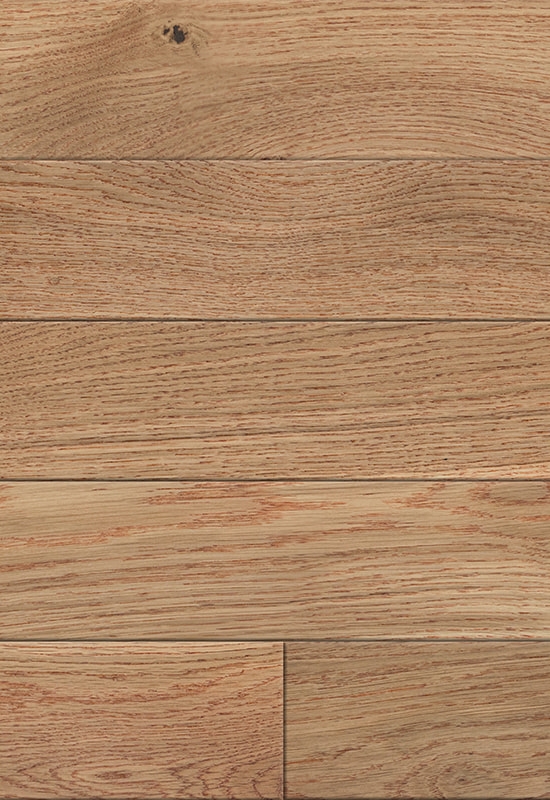
For a flooring foundation that captures this aesthetic, wide-plank engineered wood flooring in natural oak tones offers both the right visual lightness and the dimensional stability that solid wood cannot always provide in open-plan layouts.
American Style: From Farmhouse Warmth to Mid-Century Edge
American interior design is not one style — it's a conversation between several. Traditional, rustic farmhouse, and mid-century modern all fall under this umbrella, and each pulls wood flooring in a distinct direction. Understanding which sub-style you're working with is the first step to a coherent floor selection.
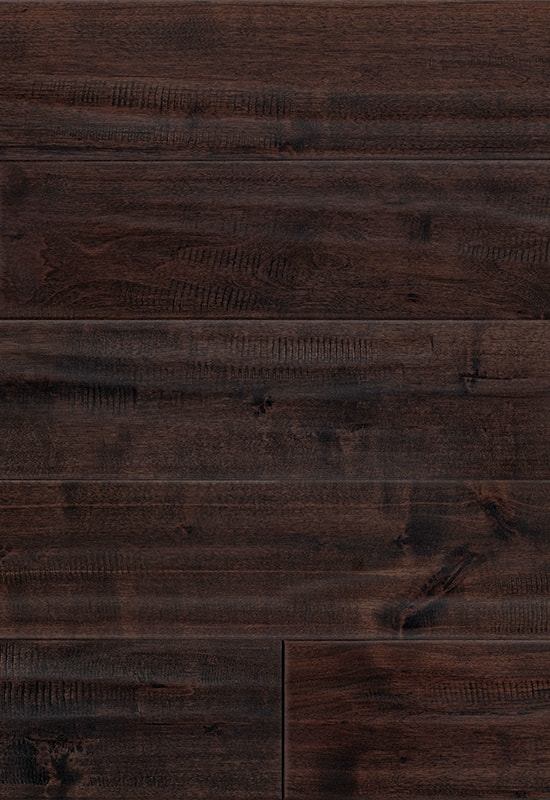
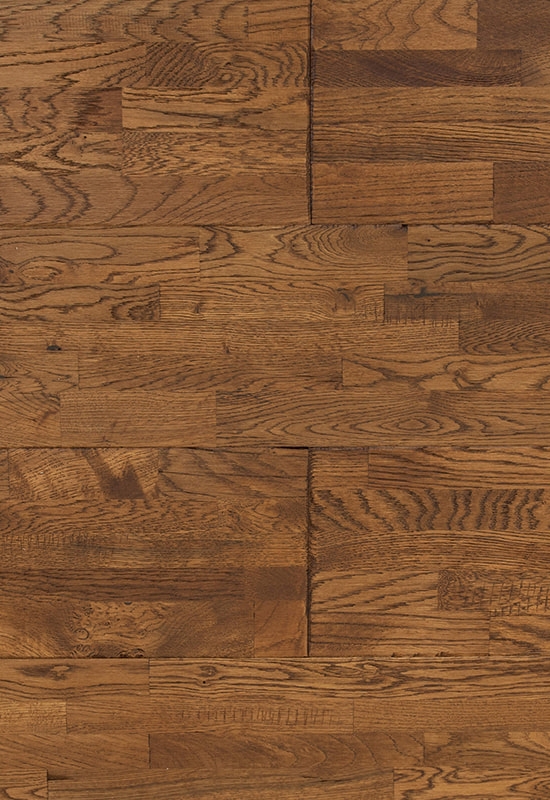
Traditional American interiors lean on richness and permanence. Dark-stained white oak, American black walnut, or cherry in warm medium-brown tones signal the kind of craftsmanship that's meant to outlast trends. Herringbone or simple straight planks work equally well here; what matters more is the weight and warmth of the wood tone. Satin finishes balance elegance with livability.
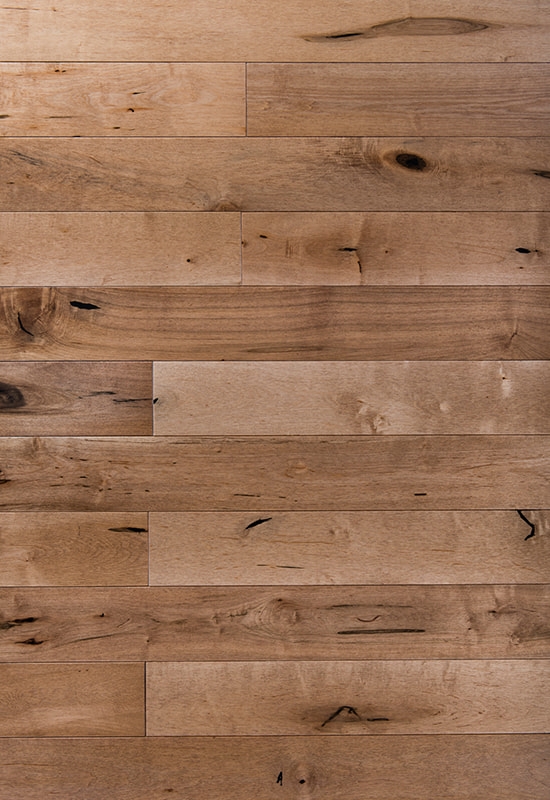
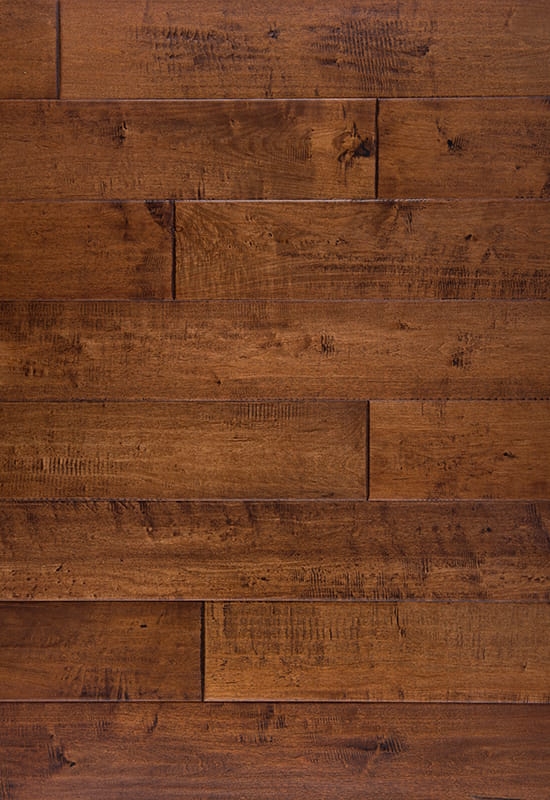
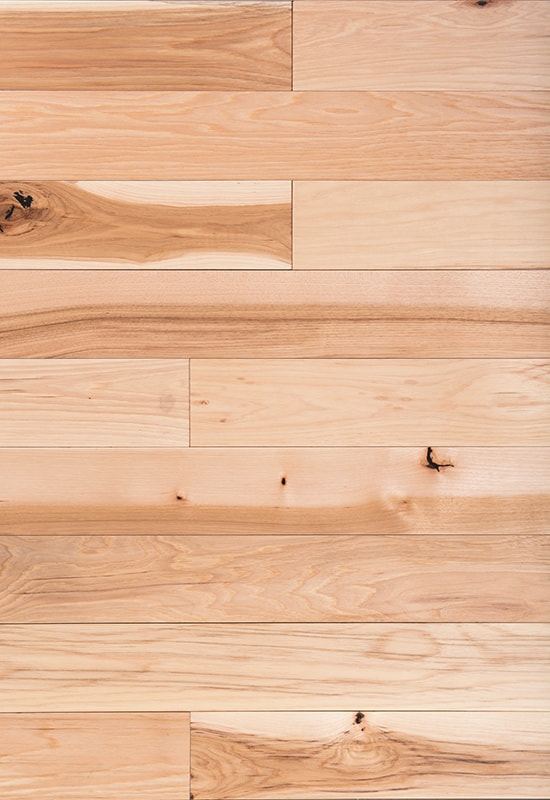
Rustic and farmhouse settings call for character over polish. Hand-scraped surfaces, visible knots, and the kind of grain variation that tells a story are all assets, not defects. Hickory — with its dramatic contrast between heartwood and sapwood — is a natural fit. So is reclaimed oak with its original patina. These floors belong under exposed timber beams, beside shiplap walls, and beneath farmhouse tables with turned legs. The imperfections humanize the space.
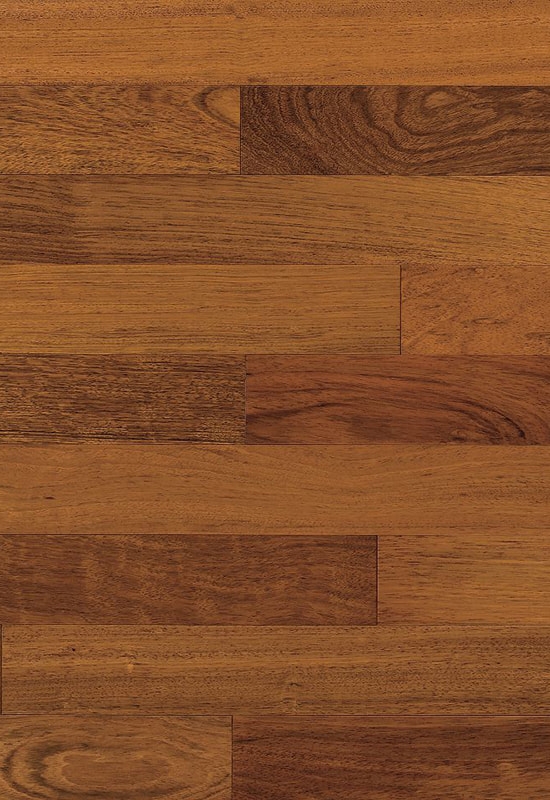
Mid-century modern takes a different path: narrower planks, minimal blemish, and either a natural or very lightly toned stain. Walnut was the material of the era and still reads authentically here, especially in wider-plank form against a low-slung sofa and a statement floor lamp. The floor should be understated enough that the furniture — with its tapered legs and clean geometry — remains the focal point.
The through-line across all three American sub-styles is authenticity. These are not floors that pretend to be something they're not. Solid wood flooring for traditional American interiors delivers the genuine material integrity that makes these design languages credible.
| Sub-Style | Wood Species | Tone | Finish | Pattern |
|---|---|---|---|---|
| Traditional | White oak, walnut, cherry | Medium-dark warm brown | Satin | Straight plank or herringbone |
| Rustic / Farmhouse | Hickory, reclaimed oak | Warm mixed tones | Matte / hand-oiled | Wide plank, hand-scraped |
| Mid-Century Modern | Walnut, white oak | Natural to light stain | Matte or satin | Narrow to medium plank |
French Style: Parquet, Pattern, and Aristocratic Elegance
The word "parquet" is itself French — derived from parqueterie, meaning a small enclosed compartment — and the story of decorative wood flooring is inseparable from French design history. When craftsmen installed the first herringbone oak floor in the Francis I Gallery at the Château de Fontainebleau in 1539, they established a visual language that still defines luxury interiors nearly five centuries later.
French-influenced interiors ask more of the floor than any other style. The floor is expected to be a statement in its own right, a work of craftsmanship that holds its own beside gilded mirrors, marble mantlepieces, and ornate upholstered furniture. That role belongs to patterned parquet — specifically herringbone and chevron, with the Versailles panel as the most elaborate expression of the form.
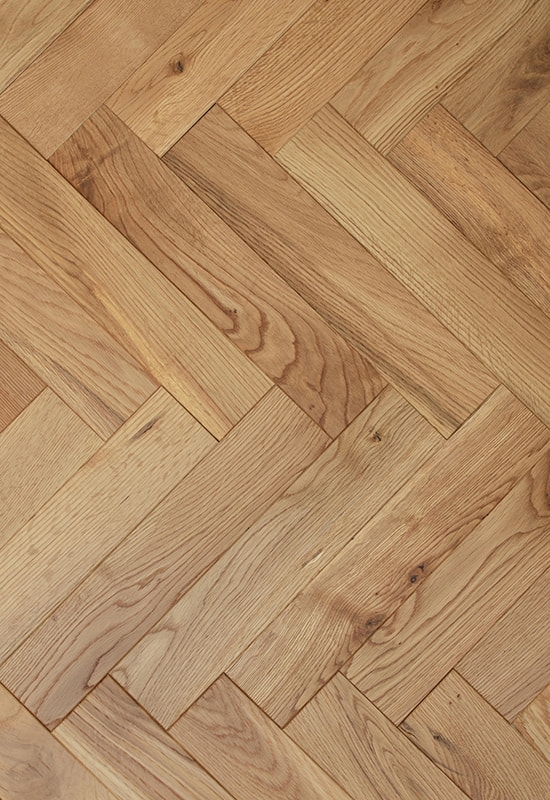
Herringbone is the most versatile of the three. Its zigzag formation of rectangular planks creates a sense of movement and direction while remaining grounded and symmetrical. In a French-inspired drawing room or dining room, herringbone in medium-warm oak — neither too pale nor too dark — reads as effortlessly cultivated. A semi-gloss or satin lacquer finish adds just enough reflectivity to honor the pattern without turning the floor into a mirror. Our herringbone-pattern engineered wood floors replicate this classic European aesthetic with the practical benefits of an engineered construction.
Chevron — sometimes called French herringbone — takes the geometry a step further. Planks are cut at a 45-degree angle so that each board meets the next at a perfect point, creating a continuous V-shaped arrow that draws the eye toward a focal point or down the length of a corridor. The cut is more demanding to produce and install, which historically made it a marker of elevated status. Today, chevron-cut wood flooring for a refined French aesthetic is available in engineered form, making this look accessible without the cost and complexity of solid-wood installation.
For those who want the pattern and the provenance together, the French Country White Oak design parquet combines traditional layout with a warm, lived-in white oak tone that works equally well in a formal Haussmann apartment or a countryside maison de maître.
Pairing guidance: French-style floors are generous with visual weight, so walls should be kept restrained — limestone white, aged linen, or soft dove grey. Furniture should have curved legs, upholstered seats, and polished brass or aged bronze hardware. A statement chandelier and heavy drapes complete the composition. The floor carries the room; everything else plays a supporting role.
Style Comparison at a Glance
| Attribute | Nordic | American | French |
|---|---|---|---|
| Primary species | White oak, ash, pine | White oak, walnut, hickory | European oak |
| Tone range | Pale blonde to soft grey | Mid-brown to dark espresso | Warm medium to honey |
| Preferred pattern | Wide straight plank | Straight plank / hand-scraped | Herringbone / chevron / Versailles |
| Finish | Matte / ultra-matte | Matte to satin | Satin to semi-gloss lacquer |
| Wall color pairing | White, warm off-white | Cream, warm grey, earthy tones | Limestone, dove grey, linen |
| Furniture character | Clean lines, natural materials | Solid, comfortable, handcrafted | Ornate curves, upholstered, gilded |
| Defining mood | Serene, airy, functional | Warm, grounded, characterful | Elegant, refined, historic |
How to Choose the Right Pairing for Your Space
Knowing the three styles is one thing. Knowing which one belongs in your home is another. Four practical factors should shape that decision.
- Natural light: If your rooms are north-facing or naturally dim, a Nordic pale floor will do more for the space than any lighting upgrade. If you have abundant southern light, you have the latitude to go darker — mid-tone American walnut or warm French oak — without the room feeling heavy.
- Existing architecture: Period moldings, cornicing, and panelled doors point toward French parquet. Open-plan post-war or new-build homes suit Nordic wide plank. Exposed brick, reclaimed beams, or board-and-batten siding call for American farmhouse character.
- Furniture inventory: If you're keeping existing pieces, the floor needs to work around them, not the other way around. Bring physical samples home and view them in your room's light at different times of day before committing.
- Lifestyle and traffic: Herringbone and chevron patterns have more joints than straight plank, which means they require slightly more care with moisture management and cleaning. For households with young children or large dogs, a matte-finished wide plank — Nordic or rustic American — will hide daily wear more forgivingly.
For a broader framework on making this decision in the context of a renovation project, the resource on how to match the right wood floor to your renovation covers subfloor conditions, installation methods, and specification considerations that go beyond aesthetics.
The National Wood Flooring Association's Wood Floor Styles and Trends guidebook also provides an authoritative industry reference for understanding how flooring grade, finish, and species classifications translate to real-world performance and appearance.
One final note on pattern: if you're drawn to French herringbone but intimidated by the commitment, start with a single room — an entryway, a study, or a master bedroom. A patterned floor in a contained space reads as a deliberate design choice rather than an overwhelming statement, and it allows you to live with the aesthetic before extending it further.

 +86-572-2118015
 No.598. Gaoxin Road, Huanzhu Industrial Zone, Huzhou City, Zhejiang Province, China, 313000