

 Eng
Eng  English
 中文简体
中文简体 Français
Content
- 1 Why Surface Finish Is the First Decision, Not the Last
- 2 Flat Finish — The Clean Canvas
- 3 Carbonization — Warmth Through Heat
- 4 White Wash — Light, Airy, Coastal
- 5 Chemical Treatment — A Living Patina
- 6 Deep Brushed — Texture You Can Feel
- 7 Hand Scraped — Rustic Character, By Design
- 8 Light Brushed — Subtle Grain, Modern Edge
- 9 Smoked + Saw Mark — Raw Industrial Aesthetic
- 10 Quick Reference: Match the Finish to Your Customer
Why Surface Finish Is the First Decision, Not the Last
When a customer walks into your showroom, they almost never ask about moisture content, core construction, or installation method first. They react to what they see and touch. That initial impression — the sheen, the texture, the color depth — is entirely determined by surface finish.
For flooring distributors and retailers, understanding the eight core surface treatments is not just product knowledge. It is a sales skill. The right finish match turns a browsing customer into a confident buyer. The wrong one sends them to your competitor.
At JESONWOOD, every plank goes through one of eight carefully developed surface treatments, each designed to produce a distinct look, feel, and performance profile. This guide breaks down each finish, explains the visual and functional result, and gives you the language to match the right option to the right customer — every time.
Flat Finish — The Clean Canvas
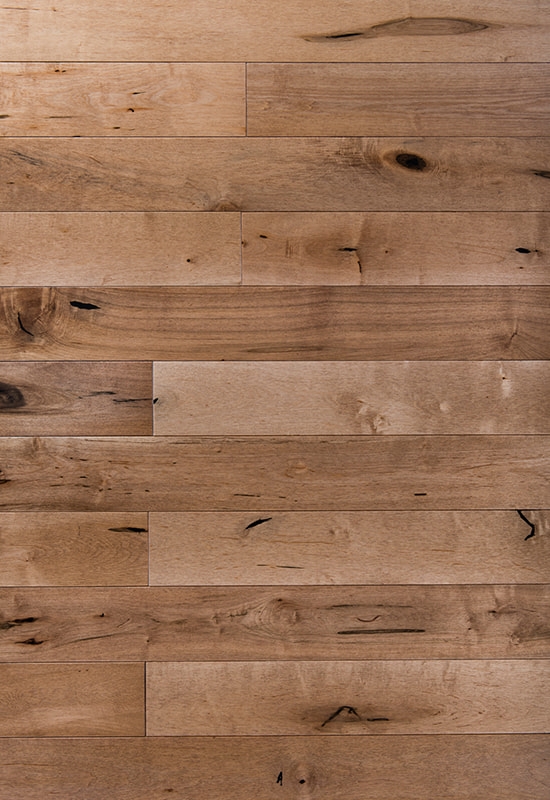
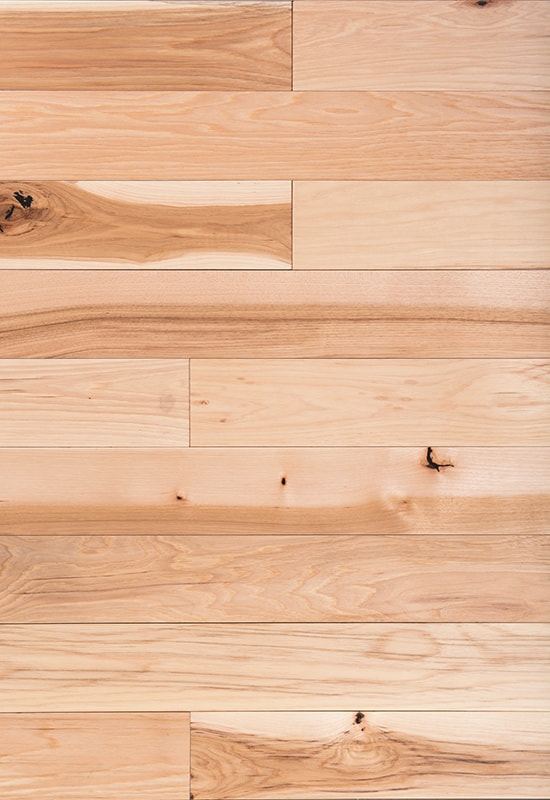
Flat finish is the foundation of modern wood flooring. The surface is sanded smooth and coated uniformly, producing a clean, even appearance that lets the natural grain and color of the wood speak without interruption. There is no artificial texture, no visible tool marks — just pure, refined wood.
Who it's for: Customers designing minimalist, contemporary, or Scandinavian-inspired spaces. Architects and interior designers often specify flat finish when they want the flooring to serve as a neutral backdrop for bold furniture or artwork. It also works well in high-end residential projects where the wood species itself — White Oak, Black Walnut — is the statement.
Flat finish pairs naturally with solid wood flooring options available in multiple species and widths, where the natural character of the wood is the primary selling point. Maintenance is straightforward: regular sweeping and occasional damp mopping keep the surface looking sharp for years.
Carbonization — Warmth Through Heat
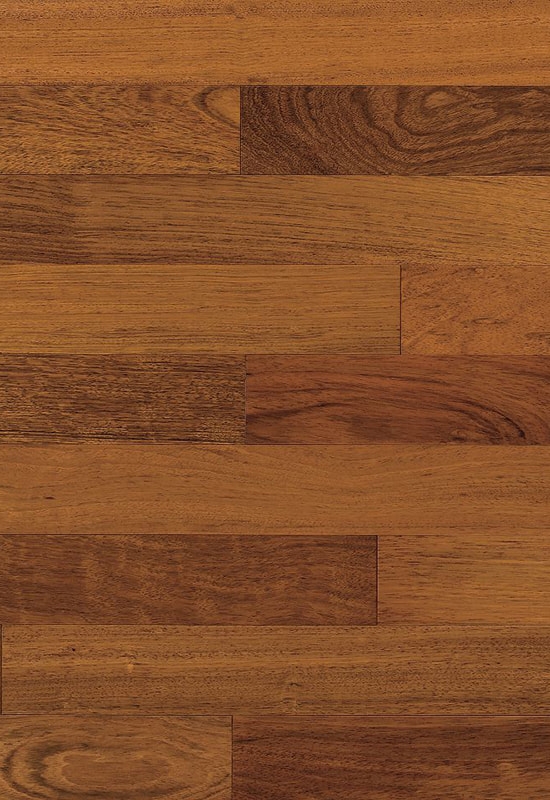
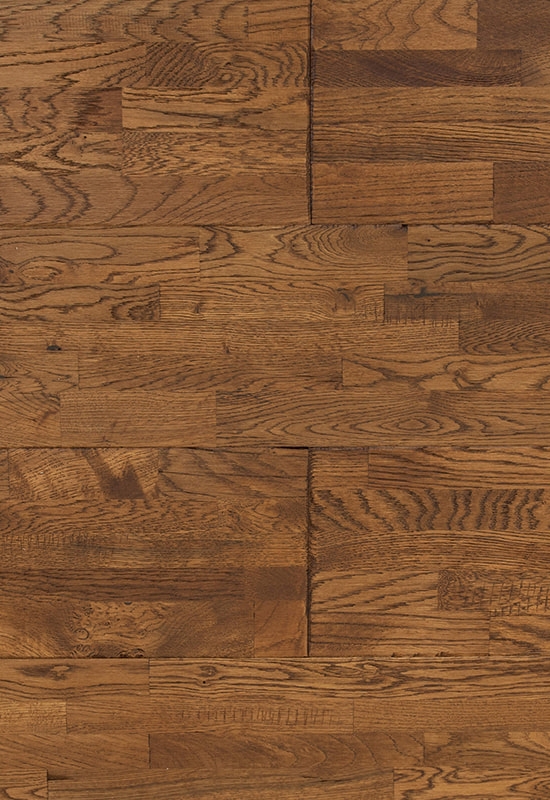
Carbonization uses controlled heat to darken the wood's surface, creating rich, warm tones ranging from caramel to deep chocolate brown. The process is entirely chemical-free — the color comes from the wood's own sugars reacting to heat, giving the result an authenticity that stains cannot replicate.
Who it's for: Customers drawn to warmth and depth — Japandi interiors, mid-century modern dining rooms, cozy residential living spaces. Carbonized flooring works exceptionally well in rooms with warm-toned furniture, leather upholstery, or natural stone accents. It is also a strong choice for customers who want the look of a darker exotic wood species at a more accessible price point.
One practical note for your customers: carbonized floors benefit from UV-protective window treatments in sun-heavy rooms, as extended direct sunlight can gradually lighten the surface tone over time.
White Wash — Light, Airy, Coastal
White wash treatment applies a diluted white pigment that settles into the grain while leaving the wood's natural texture visible beneath. The result is a soft, weathered brightness — not painted white, but naturally lifted. Floors look wider, rooms feel more open, and light seems to multiply.
Who it's for: Customers building coastal retreats, beach houses, Scandinavian-style kitchens, or airy open-plan living areas. White wash is particularly effective in smaller rooms where visual lightness is needed. It is increasingly popular in boutique hotels and vacation rental properties where the brief is to feel relaxed and effortlessly stylish.
Retailers should note that white wash finishes photograph exceptionally well — an important detail for clients furnishing properties they intend to list on short-term rental platforms. The finish also hides fine surface dust between cleans, which customers with busy households will appreciate.
Chemical Treatment — A Living Patina
Chemical treatment uses reactive agents — typically iron-based solutions — that interact with the tannins naturally present in wood. The outcome mimics the aged, silvered, or darkened patina that develops on antique floors over decades. No two planks react identically, which means every chemically treated floor has genuine variation and character that cannot be faked.
Who it's for: Customers who prize originality and dislike anything that looks mass-produced. This finish excels in art galleries, creative studios, industrial-style lofts, wine bars, and boutique retail environments where the floor is part of the brand identity. Interior designers who work on heritage building restorations also favor chemical treatment for its ability to blend with original period materials.
When presenting this finish, emphasize the uniqueness angle. Customers choosing chemical treatment are not just buying flooring — they are buying a surface that cannot be exactly replicated anywhere else. That story closes sales.
Deep Brushed — Texture You Can Feel
Deep brushing uses wire or abrasive brushes to remove the softer fibers between wood grain lines, leaving the harder grain ridges raised and clearly defined. The result is a pronounced, tactile texture that adds significant visual depth — the floor looks as interesting from across the room as it does underfoot.
Who it's for: Customers who want a high-end natural look without the formality of a polished surface. Deep brushed finishes are popular in upscale residential projects — master bedrooms, open-plan living areas — as well as premium commercial environments like luxury hotels, executive offices, and high-end restaurants. The texture also provides practical benefits: micro-scratches and everyday wear are far less visible on a brushed surface than on a flat one.
This finish pairs particularly well with engineered wood flooring built for dimensional stability in environments where underfloor heating or varying humidity conditions are a factor. The brushed surface retains its character even as the floor expands and contracts seasonally.
Hand Scraped — Rustic Character, By Design
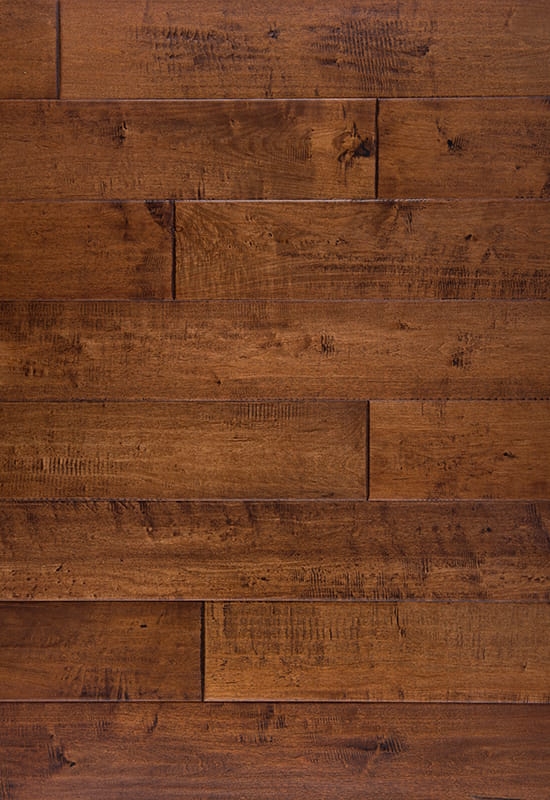
Hand scraping replicates the marks left by traditional craftsmen who once smoothed planks with draw knives and hand tools. Applied by skilled workers at the factory, each stroke creates gentle undulations across the surface — no two planks are identical, and the overall effect reads as authentically aged without any of the structural compromise of genuinely old wood.
Who it's for: Customers furnishing traditional, farmhouse, or heritage-inspired spaces. Hand scraped flooring is a strong choice for country estates, period-style homes, rustic lodges, and hospitality venues aiming for a warm, storied atmosphere. It is especially effective in dining areas and entryways where a sense of history and craftsmanship adds to the guest experience.
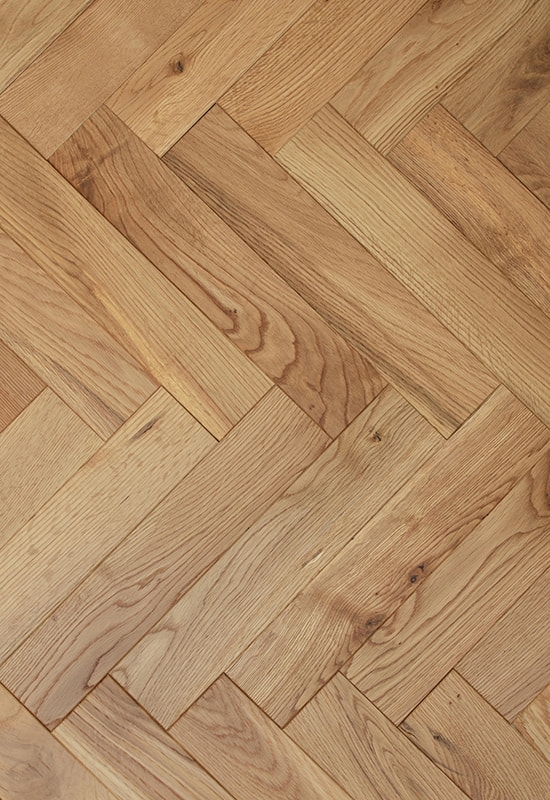
Customers considering hand scraped floors should know that the surface texture effectively conceals dents, minor scratches, and the marks of everyday life — making it an excellent practical choice for families with children or pets, not just an aesthetic one. Browse design parquet flooring constructed in geometric patterns to see how hand scraped texture can be combined with herringbone or chevron layouts for a truly distinctive result.
Light Brushed — Subtle Grain, Modern Edge
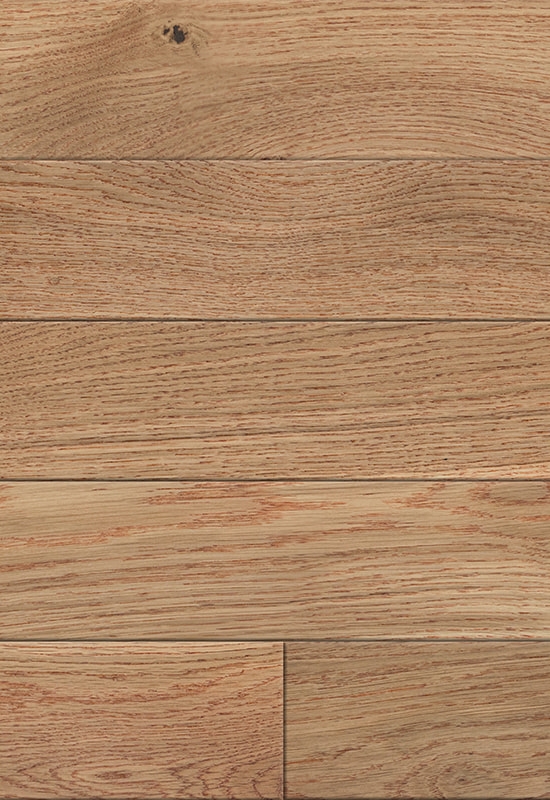
Light brushing removes only the very finest surface fibers, creating a finish that sits between the smoothness of flat and the pronounced texture of deep brushed. The grain becomes gently visible and slightly raised, adding dimension without dominating the aesthetic. The overall effect is refined, contemporary, and quietly sophisticated.
Who it's for: Customers who want some texture and character but prefer a cleaner, more modern look than hand scraping or deep brushing provides. Light brushed finishes work beautifully in contemporary apartments, open-plan offices, and design-led commercial spaces. They appeal strongly to customers in the 30–45 age bracket who want their home to feel considered rather than rustic.
From a maintenance perspective, light brushed surfaces are easier to keep clean than deep brushed equivalents — fine dust settles into shallower grain channels and clears more easily with regular sweeping. This makes the finish a practical recommendation for allergy-sensitive households as well.
Smoked + Saw Mark — Raw Industrial Aesthetic
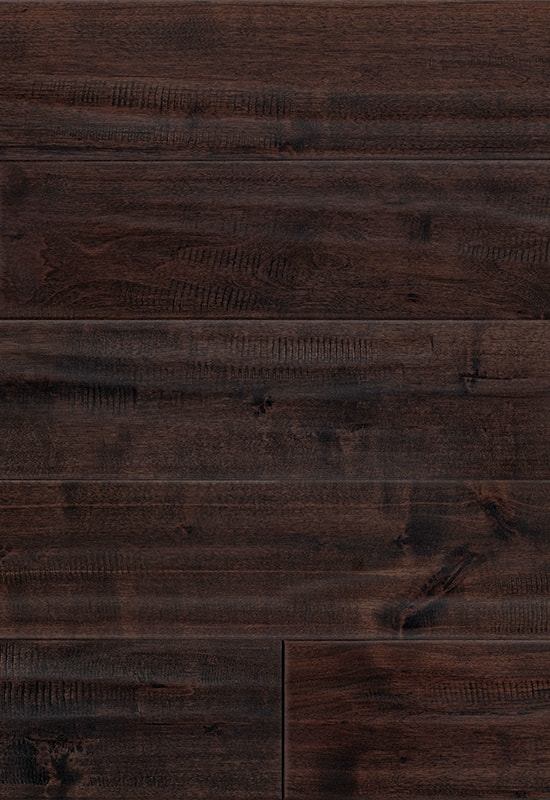
The smoked and saw mark treatment combines two distinct processes: smoking darkens the wood through ammonia or heat exposure, enriching the color and deepening the grain contrast, while intentional saw marks leave faint linear impressions across the surface that reference the raw, unfinished look of timber fresh from the mill. Together, they create a floor with serious visual weight and an unmistakable industrial edge.
Who it's for: Customers designing loft apartments, urban restaurants, creative agency offices, craft breweries, or any space where raw materiality is the design language. This finish commands attention. It works best when paired with exposed concrete, steel fixtures, Edison bulb lighting, and dark metal hardware — environments where the flooring is expected to be as bold as the architecture around it.
Retailers should position this finish as a design statement rather than a background element. Customers choosing smoked and saw mark are making an active aesthetic decision, and that confidence in their vision tends to translate into faster, higher-value purchases.
Quick Reference: Match the Finish to Your Customer
Use the table below as a fast-reference tool during customer consultations. Match your customer's stated style preference to the finish column, then use the characteristic notes to frame your recommendation with authority.
| Surface Finish | Best Style Match | Key Selling Point | Practical Advantage |
|---|---|---|---|
| Flat | Minimalist, Contemporary, Scandinavian | Showcases natural wood grain cleanly | Easiest to maintain; versatile |
| Carbonization | Warm modern, Japandi, Mid-century | Authentic depth of color without stains | UV-stable if shaded; warm tone year-round |
| White Wash | Coastal, Hamptons, Scandi, Airy open-plan | Makes rooms feel larger and brighter | Hides dust between cleans |
| Chemical | Industrial, Artisan, Heritage, Creative | Unique patina — no two floors alike | Hides everyday wear naturally |
| Deep Brushed | Luxury residential, Premium commercial | Strong visual depth and tactile character | Excellent scratch concealment |
| Hand Scraped | Rustic, Farmhouse, Traditional, Hospitality | Authentic handcrafted variation | Hides dents and heavy-use marks |
| Light Brushed | Contemporary, Design-led residential | Subtle texture with modern sophistication | Easy to clean; low allergen retention |
| Smoked + Saw Mark | Industrial, Loft, Urban commercial | Bold, raw materiality — a design statement | High visual impact; ages gracefully |
The right surface finish does more than satisfy a customer's aesthetic preference — it determines how the floor performs in their specific environment and how much maintenance they will realistically commit to over the years. Getting this match right is what turns a one-time sale into a long-term customer relationship.
For a broader view of how finish choices interact with flooring format and layout, see our guide to choosing the right flooring pattern for your market. And when you are ready to explore the full range of options available across our collections, our real-space flooring inspiration gallery shows each finish in finished interiors — the fastest way to help customers visualize their own space.
Surface finish is where the technical becomes personal. Master this conversation, and you will close more sales, reduce returns, and build the kind of customer trust that generates referrals for years to come.

 +86-572-2118015
 No.598. Gaoxin Road, Huanzhu Industrial Zone, Huzhou City, Zhejiang Province, China, 313000