

 Eng
 English
 中文简体
 Français

Content
- 1 Why Distressed Hardwood Is a Specification, Not a Style Label
- 2 The Four Texture Routes Buyers Should Compare
- 3 Reading a Distressed Floor Specification
- 4 Solid, Engineered and HDF: Match the Substrate to the Site
- 5 Species, Grade and Color: What Actually Changes the Look
- 6 Where Distressed Floors Earn Their Cost
- 7 Sourcing Risks and Acceptance Criteria
- 8 Supplier Checks for International Buyers
- 9 Protecting the Look Through Installation and Handover
A distressed hardwood floor is not a damaged floor. In trade terms, “distressed” describes a surface that has been deliberately worked—scraped, brushed, dented, or darkened—so that a new floor reads as aged. For a buyer, the distinction matters because the visual effect is easy to imitate and difficult to specify consistently. The purchasing question is not whether the floor looks rustic. It is whether the texture depth, wear layer, color variation, and batch consistency meet the acceptance standard written into the order.
Why Distressed Hardwood Is a Specification, Not a Style Label
Three buyers can look at the same sample and describe three different floors. A designer may see a warm, hand-worked surface. A contractor may see a floor that will collect dust in every groove. An importer may see a batch risk: the sample was made by one operator, while the production order will be spread across several. All three are right.
A distressed floor therefore needs a written texture specification, not only a photograph. At minimum, the order should define the process, the direction and depth of the marks, the acceptable amount of color variation, the gloss level, and the reject criteria for repaired knots, splits, and filler. Without those limits, “distressed” becomes a subjective approval point that shifts from pallet to pallet.
The Four Texture Routes Buyers Should Compare
Most distressed surfaces are produced through one of four routes, or a combination of them. They are not interchangeable, because each changes the appearance, the maintenance plan, and the amount of wear layer that remains after texturing.
| Texture route | How the surface is produced | Visual signature | Wear and maintenance implications | Specification watch-outs |
|---|---|---|---|---|
| Hand-scraped | A scraper or blade removes shallow, irregular shavings across the board. | Broad undulations, visible tool marks, soft sheen and a traditional board-by-board rhythm. | Hides small dents well; deep grooves trap grit. Aggressive sanding can flatten the profile. | Set a depth range and approve a physical sample. Check that scraping does not expose the core on engineered boards. |
| Wire-brushed | Steel brushes raise the grain and remove softer earlywood. | Linear, open grain with a lower, more contemporary sheen. | More uniform than hand-scraping; easier to recoat because the texture is relatively shallow. | Specify brush grade, grain direction and finish build. Excessive brushing can weaken the surface. |
| Hand-distressed | Dents, edge wear, small splits and chain or tool marks are added by hand. | Strong aged character, with visible dents and irregular edges. | Camouflages wear in busy areas, but repairs are harder and edge wear can become pronounced. | Limit pattern repetition. Reject structural cracks, loose knots and filler that will not take stain. |
| Carbonized or smoked | Heat treatment or smoke exposure changes the color of the wood. | Darker, deeper color with less reliance on surface stain. | Color is carried deeper into the wood; maintenance is similar to other finishes. | Approve color range under both daylight and warm interior light. Confirm topcoat adhesion after treatment. |
These routes are often combined: a smoked oak plank may be lightly wire-brushed, then hand-scraped at the edges. The surface finish selection guide is useful for matching a texture route to an interior style, but the purchase order still needs measurable limits.
Reading a Distressed Floor Specification
A reliable specification answers six questions before price is discussed: what the surface is, how deep the texture goes, how much wear layer remains, how much color variation is allowed, how the edges are treated, and how the floor will be maintained. The following lines belong in a purchase order or technical data sheet:
- Construction: solid, engineered plywood core, or HDF core; nominal thickness and tolerance.
- Wear layer or face thickness, measured after texturing rather than before.
- Width, length, grading rules, and the permitted mix of short boards.
- Texture process, depth range, pattern repeat, and the approved reference sample.
- Finish system, gloss level, edge bevel, and the number of coats.
- Moisture content at packing, packaging method, and batch identification.
Common purchase tolerances include thickness and width within roughly ±0.3–0.5 mm and length within ±1–2 mm, with moisture content around 6–9% at packing. Those figures are a starting point, not a universal rule. Texture depth is harder to measure, but it can be controlled with a depth gauge at defined points and, more practically, with a signed golden sample kept by both buyer and factory.
Figure 1: On an engineered floor, the texture is cut into the wear layer. The specification should state the minimum wear layer remaining after texturing, not only the nominal veneer thickness.
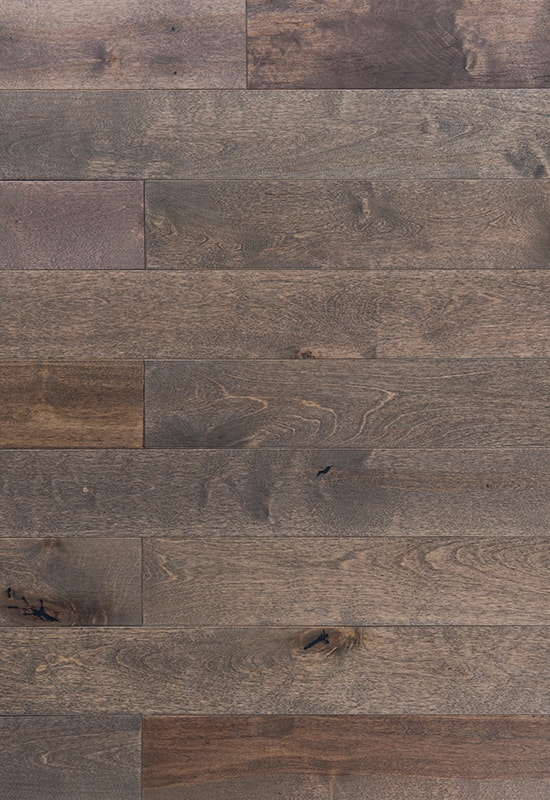
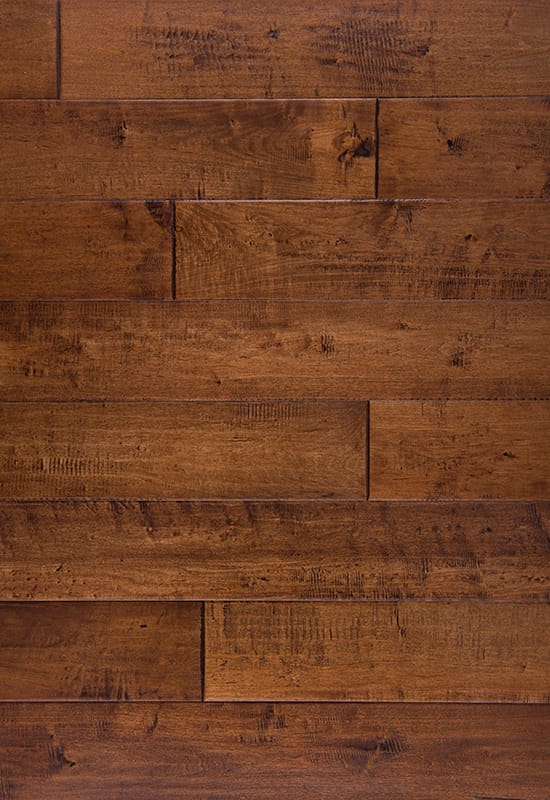
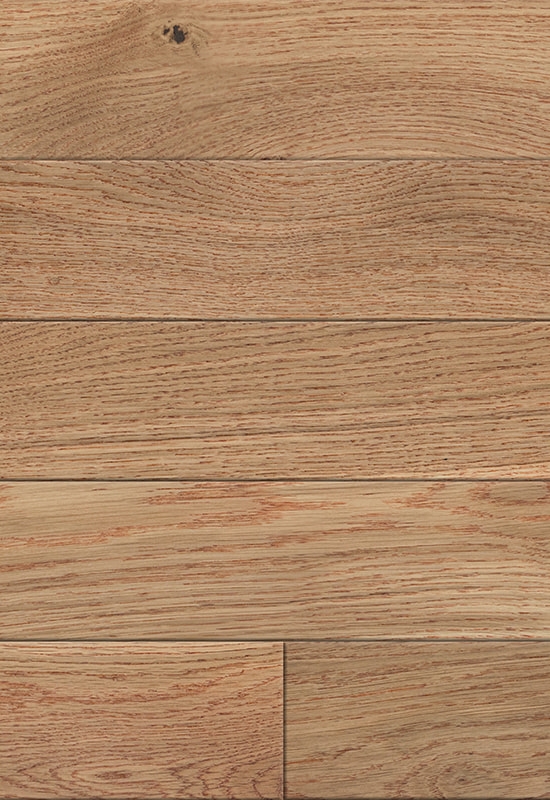
Solid wood behaves differently because the visible surface is the full board thickness. A 125 mm hand-scraped distressed white oak plank offers a traditional board rhythm and can be sanded several times over its service life, provided the texture is not so deep that refinishing removes the character. For projects that need a stronger visual field, a 203 mm board covers more area with fewer joints and gives the distress pattern more room to read as intentional.
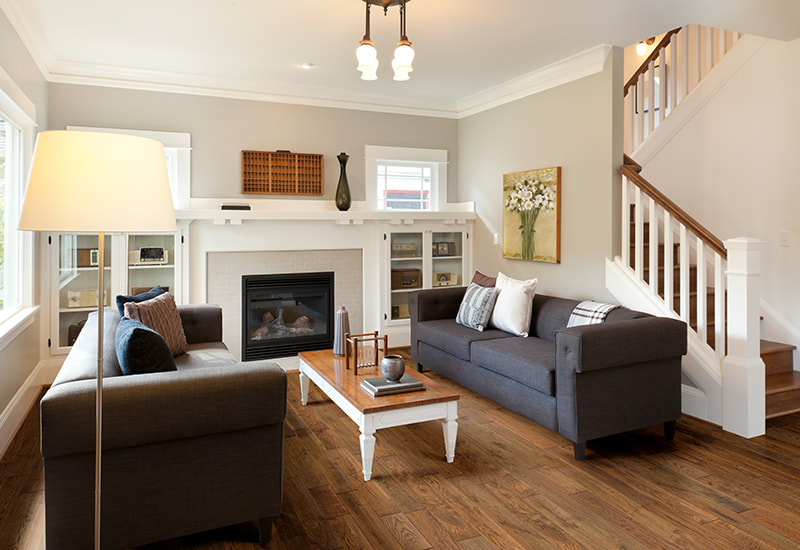 White Oak 125 Hand-Scraped Distressed Solid Wood FlooringA 125 mm solid white oak plank with hand-scraped distressed texture, suited to stable subfloors where refinishing and traditional board rhythm matter.View Product →
Solid, Engineered and HDF: Match the Substrate to the Site
Solid wood
Solid distressed flooring suits stable subfloors, controlled indoor humidity and projects where future sanding and refinishing are part of the asset plan. It is less forgiving over concrete slabs, in fluctuating seasonal conditions, or where underfloor heating is required. The installer must confirm flatness, moisture and the fixing method before the first board is laid.
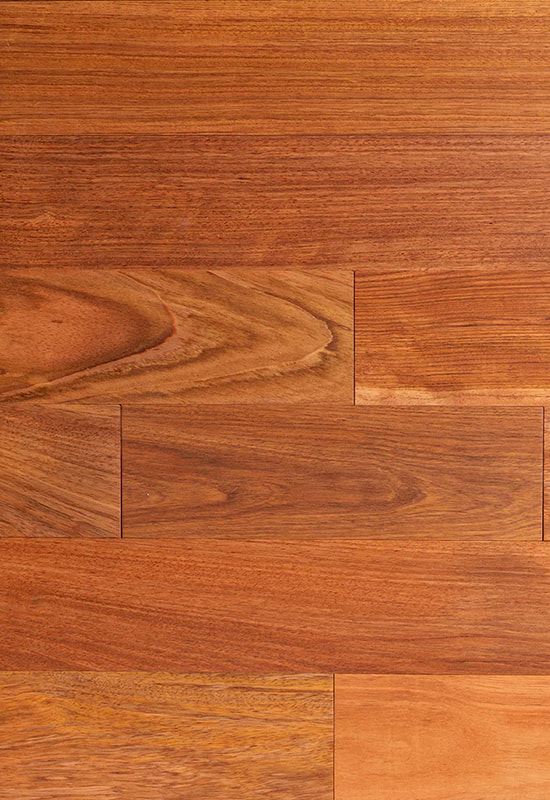
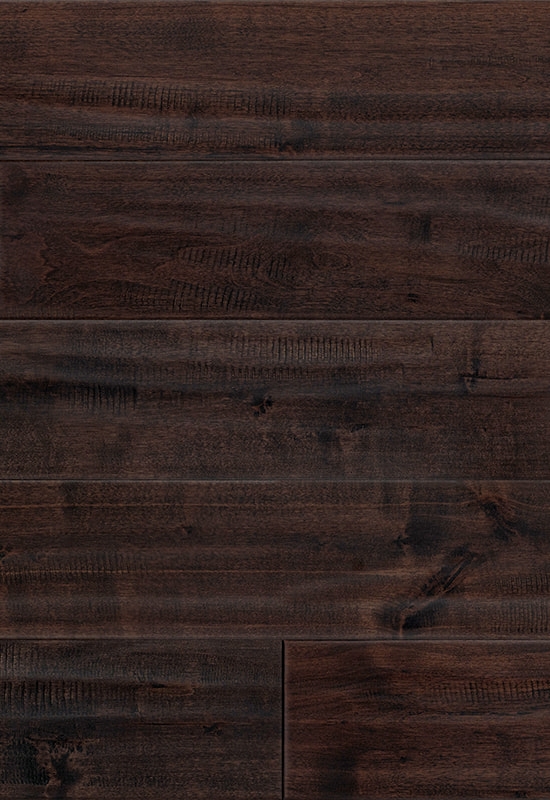
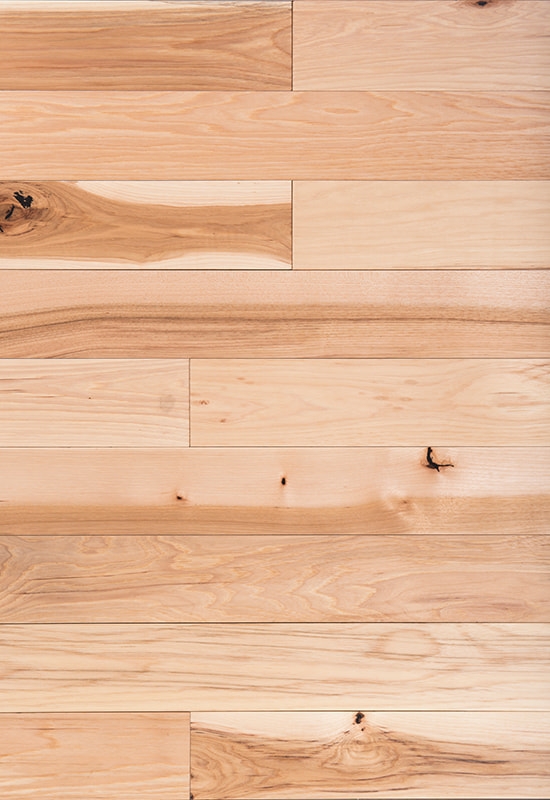
 White Oak 203 Hand-Scraped Distressed Solid Wood FlooringA 203 mm solid white oak floor with hand-scraped distressed surface, offering fewer joints and more room for the rustic pattern in high-traffic interiors.View Product →
Engineered wood
Engineered flooring uses a plywood or HDF core under a real wood wear layer. The cross-layered plywood core improves dimensional stability, which makes wider boards more practical in apartments, renovations and some commercial interiors. The critical detail is the wear layer: a 3 mm wear layer that has been scraped to 2.2 mm is a different product from a 4 mm wear layer that has been lightly brushed.
HDF core
HDF cores are dense and stable, and they work well in floating installations where movement must be limited. They cannot be sanded as deeply as solid or plywood-core products. A distressed HDF floor should therefore be specified as a finish-led product, not as a floor that will be repeatedly refinished. Check the click system, edge seal and joint tightness together with the texture, because dust and moisture find weak joints quickly.
Species, Grade and Color: What Actually Changes the Look
Oak, hickory, maple, walnut and acacia each accept distress marks differently. A dense species such as hickory resists dents, so a heavy hand-distressed pattern can look applied rather than natural. A softer species may dent in service, which can either add to the look or cross the line into damage. Grade also matters: knots, mineral streaks and sapwood are part of the character of a rustic floor, but they must be balanced across the batch.
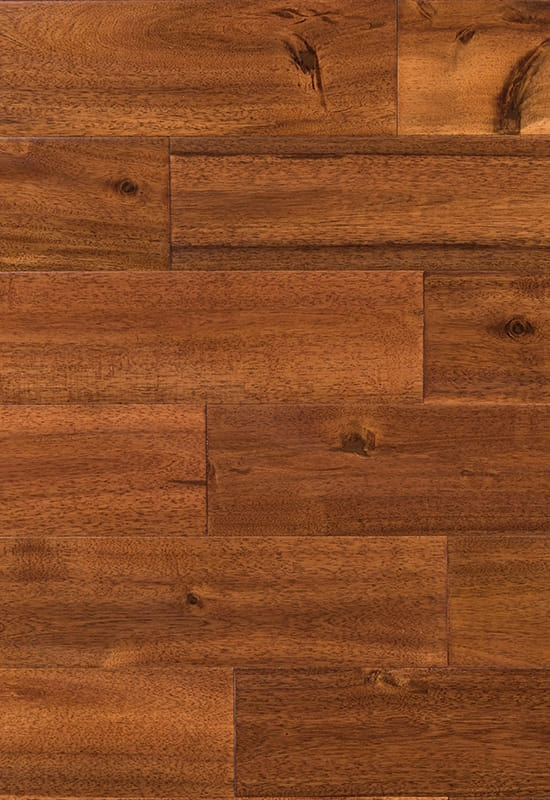
Color is the second control point. Natural, smoked, carbonized, grey, ivory and pale tones behave differently under daylight, warm lighting and retail spotlights. Approve the color range on a full-size board, not a small chip, and state the acceptable contrast between boards. A big-leaf acacia hand-scraped floor, for example, brings strong natural color variation into the room; the specification should say whether that variation is a feature or a defect.
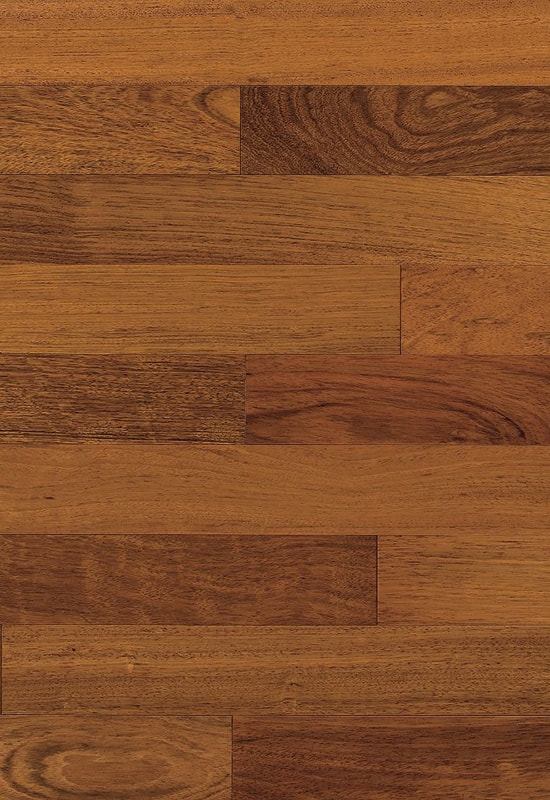
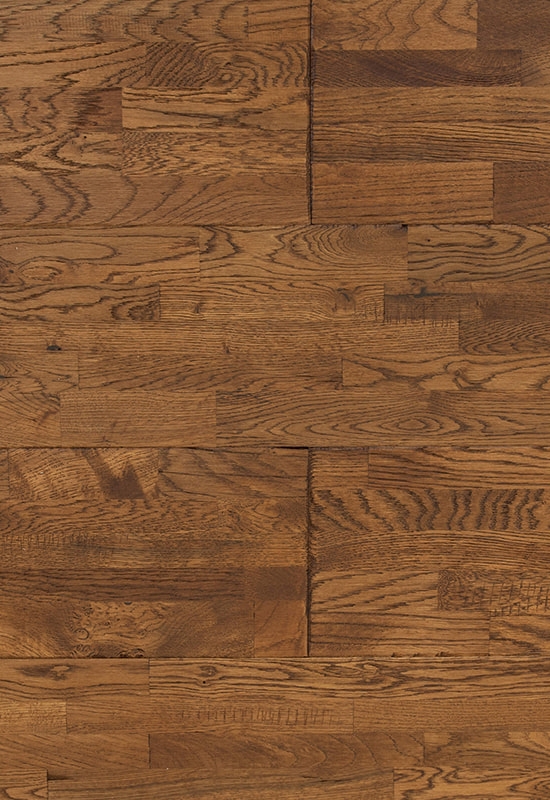
 Big Leaf Acacia Golden Hand-Scraped Distressed Solid Wood FlooringA hand-scraped acacia solid wood floor with pronounced natural color variation, suited to high-traffic retail, café and living spaces that accept distressed texture.View Product →
Where Distressed Floors Earn Their Cost
Distressed floors are often chosen for spaces where a pristine surface would show every mark. Boutique retail, cafés, hotel suites, open-plan living areas and staircases all benefit from a surface that accepts scuffs as part of the design. The texture also reduces the visual impact of small dents and uneven sheen.
The commercial case is weaker in wet areas, commercial kitchens and spaces with aggressive grit. There, the finish and maintenance regime matter more than the texture. A distressed floor in a busy restaurant still needs a suitable topcoat, a cleaning plan and a recoating interval. If the client expects a wash-and-wear surface with no maintenance, specify a different product rather than relying on the rustic look to hide neglect.
Sourcing Risks and Acceptance Criteria
Texture is only one risk in a distressed order. The more common failures are batch drift, over-texturing, and repairs that fail after installation. A pre-shipment inspection should look for the following:
- Texture drift: compare each pallet with the approved sample under raking light, not only from above.
- Wear layer loss: measure the remaining wear layer at the deepest scraped or brushed point.
- Filler and knots: reject loose knots, splits that cross the board, and filler that does not accept the surrounding stain.
- Moisture and fit: check moisture content, edge squareness, thickness tolerance and joint tightness.
- Finish adhesion: perform a cross-hatch or tape test on a representative sample, especially over brushed grain.
- Color consistency: inspect a complete pallet in the final lighting condition, not one board on a bench.
A reasonable acceptance plan uses an agreed AQL, a golden sample, and a measurement record for thickness, width, moisture and wear layer. For a first order, it is also worth asking for production photographs at the texturing and finishing stages, because a sample made before the order can differ from the production run.
Supplier Checks for International Buyers
A distressed floor is a manufacturing claim as much as a design claim. Buyers should ask who performs the texturing, whether it is hand-worked or pressed, how the factory controls color between batches, and how it protects the surface during packing. The answers reveal whether the supplier controls the process or simply resells boards.
JESONWOOD has operated for 15 years and works from a factory of more than 40,000 m² in Huzhou, with monthly capacity of 80,000 m² of pre-finished flooring. Its export mix is weighted toward Europe at 60%, with North America and Japan at 15% each. The company holds FSC, PEFC, CE, UKCA, JAS and ISO credentials, and maintains a material legality department that addresses Lacey Act and EUDR due diligence. That function matters for buyers who need documented traceability alongside a textured surface. More detail is available in JESONWOOD’s manufacturing profile.
For a buyer comparing suppliers, the useful questions are practical: which lines handle distressed solid versus engineered planks, what is the minimum order quantity per texture, how are samples controlled, and which port handles the shipment. A factory near Shanghai and Ningbo can consolidate export logistics, but the inspection standard still has to travel with the order.
Protecting the Look Through Installation and Handover
Distressed floors need the same site conditions as smooth floors, plus a little more attention to cleaning. Acclimate the material according to the manufacturer’s instructions, verify subfloor moisture, and keep interior relative humidity in the range agreed for the project—commonly around 30–50% RH for wood flooring in occupied conditions. Do not let the texture be used as an excuse to skip flatness checks.
At handover, give the client a cleaning method that matches the finish. A soft brush vacuum or dry microfibre mop lifts grit from the grooves better than a wet mop, which can push soil into the texture. Felt pads under furniture and a no-shoe policy in high-traffic rooms extend the finish life. When recoating is due, use a finish compatible with the original system, and test a small area first. Aggressive sanding can erase the very profile that defines the floor.
The right distressed hardwood floor is not the one with the deepest marks. It is the one whose texture is named, whose construction suits the site, whose wear layer survives the texturing process, and whose batch can be repeated on the next order. Treated that way, the distressed look becomes a controlled specification rather than a sample-room impression.

 +86-572-2118015
 No.598. Gaoxin Road, Huanzhu Industrial Zone, Huzhou City, Zhejiang Province, China, 313000
