

 Eng
 English
 中文简体
 Français

Content
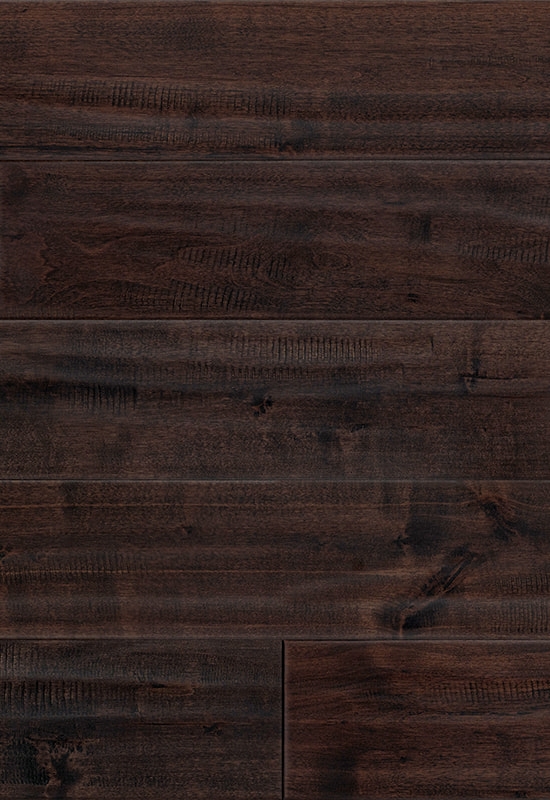
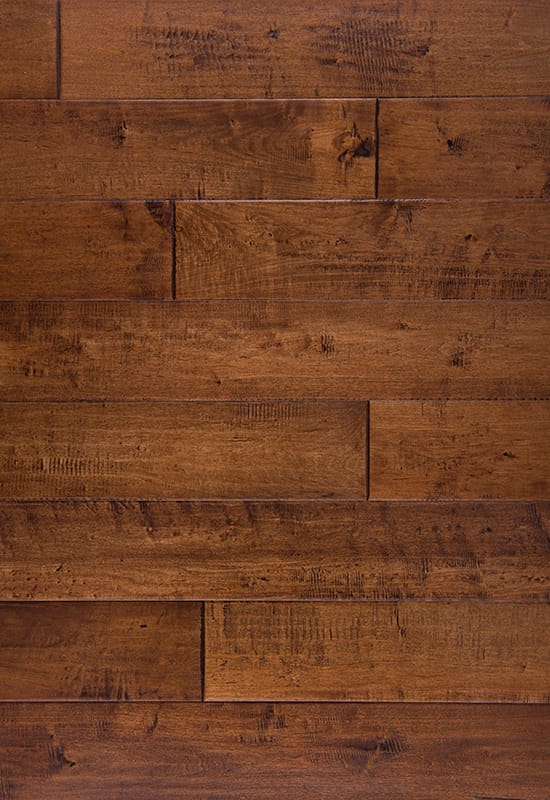
Hand scraping is a controlled surface operation, not a stain color. A floor becomes hand-scraped when a trained operator draws a scraper, chisel or cabinet scraper along the grain to remove fine shavings, leaving shallow hollows, softened ridges and slightly eased edges. Under raking light, the surface reads as irregular even when the floor is factory finished and sorted to a consistent grade. The useful question for buyers is how much material the process removes and whether the remaining wear layer, finish and profile can carry the intended traffic.
The term covers very different products: a subtle 0.3 mm relief on an engineered plank, a deep 1.2 mm rustic scrape on a 203 mm solid oak board, and a machine-embossed pattern that repeats every few planks. The differences matter in a purchase order because they change wear-layer allowance, repair strategy and lot-to-lot consistency.
What Hand Scraping Actually Changes in a Hardwood Floor
Hand scraping changes surface geometry before it changes color. The sequence is straightforward, but each step carries a specification point:
- Sand and inspect the substrate or plank face for flatness, grain direction and defects.
- Set the scrape direction with the grain at a shallow angle; cross-grain passes increase tear-out risk.
- Cut relief with a cabinet scraper, chisel or hand-guided tool, controlling depth rather than relying on random marks.
- Blend ridges and shoulders so the texture feels worn, not splintered, while keeping a repeatable visual pattern.
- Seal, stain and topcoat; stain absorption changes across cut fibers, so finish trials must use the actual scrape depth.
On solid wood, scraping may be done before or after stain, and the floor can usually be sanded and refinished later. On engineered planks, the texture must be cut into the wear layer before the factory finish line. The relief has to sit within the veneer allowance: a 0.6 mm veneer leaves almost no margin, while a 1.5–3 mm wear layer allows more texture. Specify the remaining wear layer at the deepest hollow, not only the nominal veneer thickness.
Depth is often a few tenths of a millimeter to roughly 1.5 mm for pronounced rustic profiles. Those figures are specification targets, not universal standards. Approve a physical sample and measure it with a depth gauge. Plank width also changes visual scale: a 125 mm board carries texture more tightly, while a 203 mm board gives the scraper more surface and can make the marks look broader.
Hand-Scraped vs Brushed, Distressed and Machine-Embossed Surfaces
Buyers often use “hand-scraped,” “distressed” and “wire-brushed” as if they were interchangeable. They are not, and the difference affects both appearance and serviceability.
| Surface method | Typical action | Visual result | Depth control | Main risk |
|---|---|---|---|---|
| Hand-scraped | Scraper or chisel drawn along the grain | Irregular hollows, soft ridges, tactile surface | Moderate to high; set by sample | Over-scraping the wear layer or creating sharp shoulders |
| Wire-brushed | Steel brush opens the grain | Defined grain, reduced soft fibers, subtler texture | Low to moderate | Grain raising or uneven finish absorption |
| Brushed | Abrasive brush passes over the surface | Linear grain definition with little relief | Low | Minimal texture after coating |
| Distressed | Dents, wormholes, crackle or hand-worked wear marks | Reclaimed or aged appearance | Variable | Dirt traps and difficult spot repair |
| Machine-embossed | Embossed roller or press | Repeated texture pattern | Low; pattern repeat is fixed | Visible repetition and shallow realism |
Specification Framework for B2B Buyers
Hand scraping is easy to describe and hard to enforce unless the order defines measurable surface and performance requirements. Start with the wear layer. For engineered flooring, the relief must leave a safe margin above the core; if the deepest hollow exposes or nearly exposes the veneer, the floor has lost both finish integrity and refinishing potential. Solid wood offers more thickness, but deep gouges still shorten the usable life of the plank.
Moisture, bevel and finish belong in the same sample approval. Many wood floors are packed in a 6–9% moisture range, but the acceptable figure depends on species, construction and destination. A micro-bevel hides joints and reduces edge chipping; a square edge emphasizes continuity but demands a flatter substrate. The finish system matters as much as the scrape. A high-gloss coat amplifies every ridge, while matte or invisible lacquer softens contrast and is easier to touch up. The choice belongs in the sample, not in a late change order; this surface finish selection guide explains how sheen and open-pore effects change the same species.
Use a QC checklist that can be repeated at pre-production and final inspection:
- Approve a physical master sample under raking light at 15–30 degrees, not only in flat lighting.
- Measure relief depth and remaining wear layer at the deepest point on several planks.
- Confirm moisture content at packing and the destination acclimation requirement.
- Check bevel type, end matching and color sorting across plank ends and batch edges.
- Run finish adhesion and impact tests on the approved texture, not on a smooth control sample.
- Collect legal timber documentation and chain-of-custody records before shipment.
Where Hand Scraping Creates Procurement Risk
Hand scraping is slower than brushing and less repeatable. Two production lots can differ in ridge height, stain pull or sheen; without an approved master sample, those differences become claims. The texture also traps grit, so maintenance instructions must include dry brushing and a pH-neutral cleaner rather than steam or excess water. Deep hollows make spot repairs difficult because sanding a hollow changes the texture around it. Solid floors can be re-sanded; engineered floors only if the wear layer allows another pass.
The surface suits residential living areas, boutique retail, hospitality suites and heritage-style interiors where tactile character is part of the design. It is a weaker choice for wet rooms, commercial kitchens and sanitation-critical spaces where grooves retain soil. For high-traffic projects, specify a matte finish, walk-off mats and a maintenance schedule before handover. The floor will hide scratches and footprints better than a smooth surface, but it will not hide neglect.
Sourcing Hand-Scraped Hardwood Floors from a Manufacturer
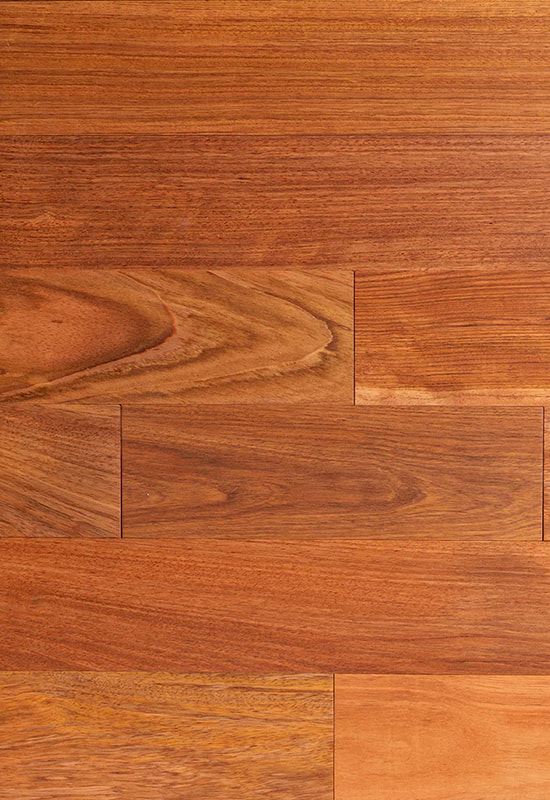
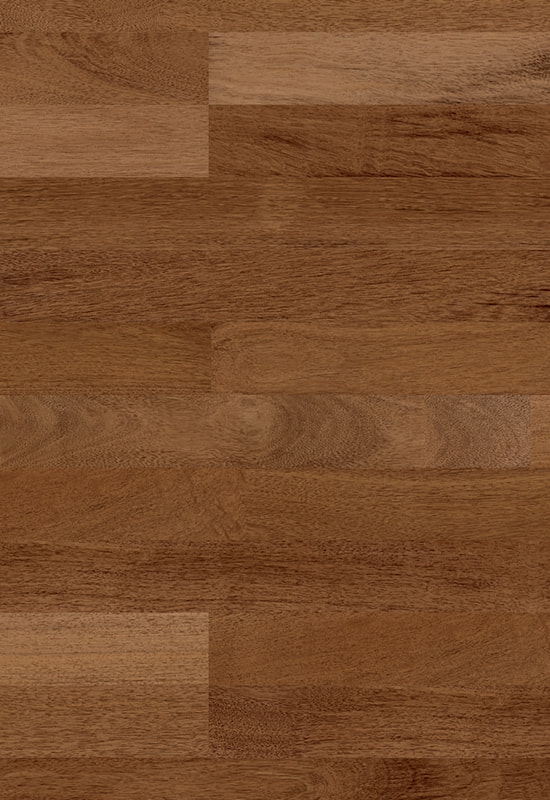
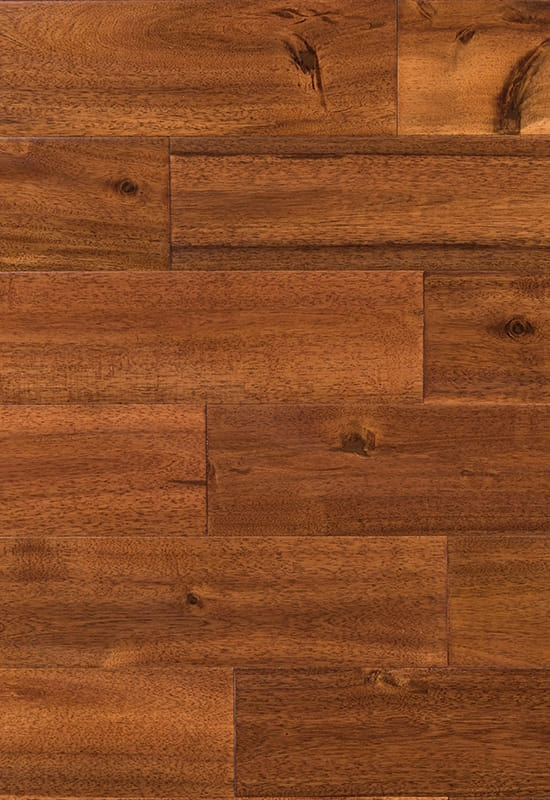
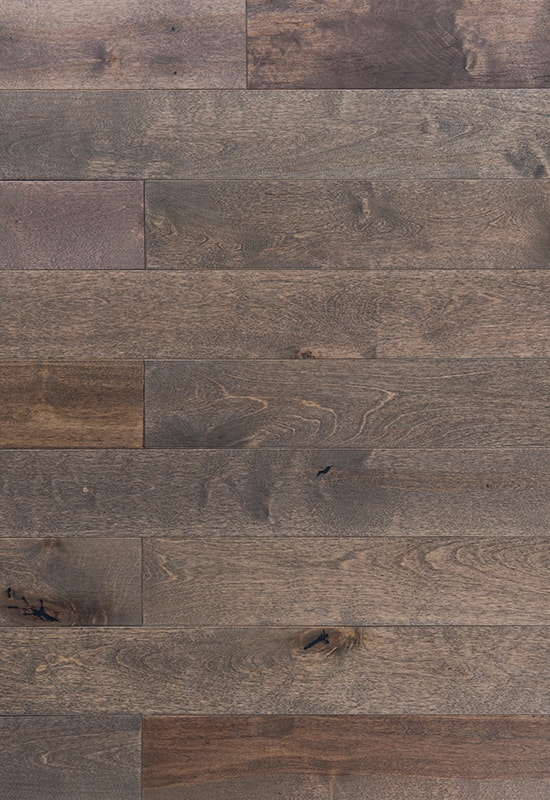
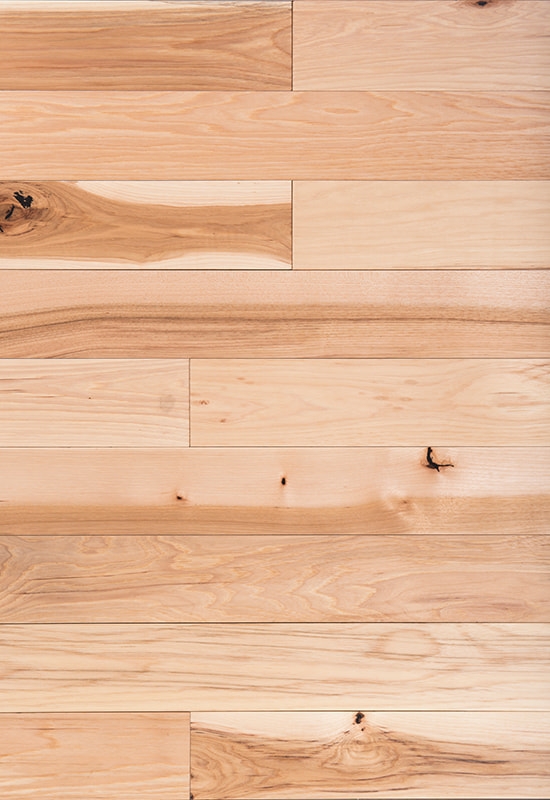
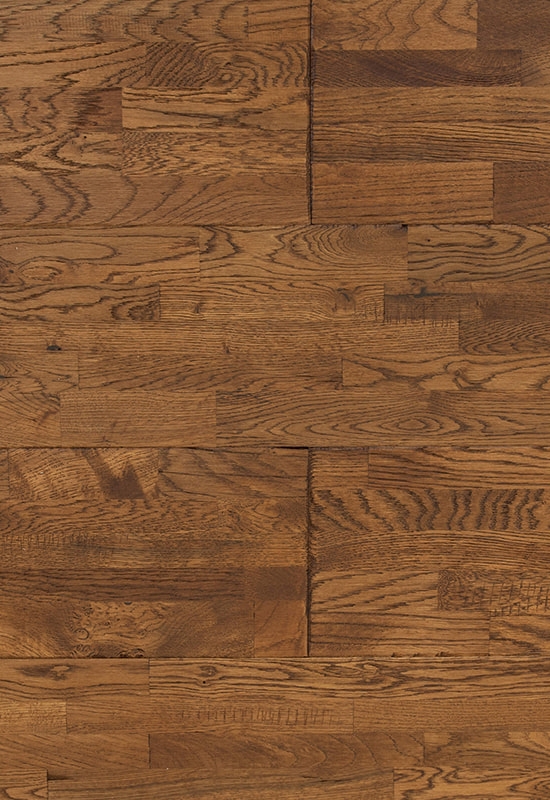
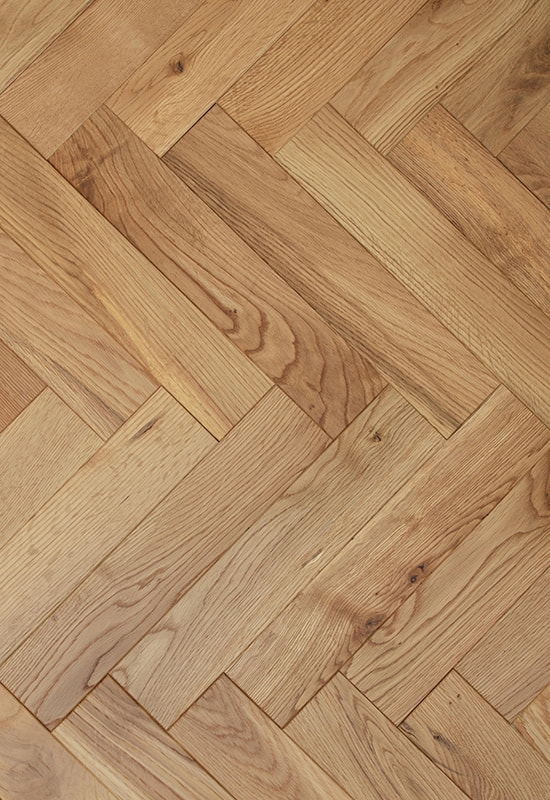
JESONWOOD, based in Huzhou, China, produces solid and engineered wood flooring for residential and commercial projects. Its experience since 2008, 40,000 m² factory and 80,000 m² monthly pre-finished capacity make it a relevant supplier for buyers who need repeatable texture across mixed orders. The hand-scraped solid wood flooring range includes white oak, birch, Chinese maple, acacia and hickory across different widths; engineered lines add HDF and plywood cores plus herringbone and chevron formats. Because hand work is labor-intensive, confirm line capacity, sampling lead time and lot-to-lot color control before fixing a launch date.
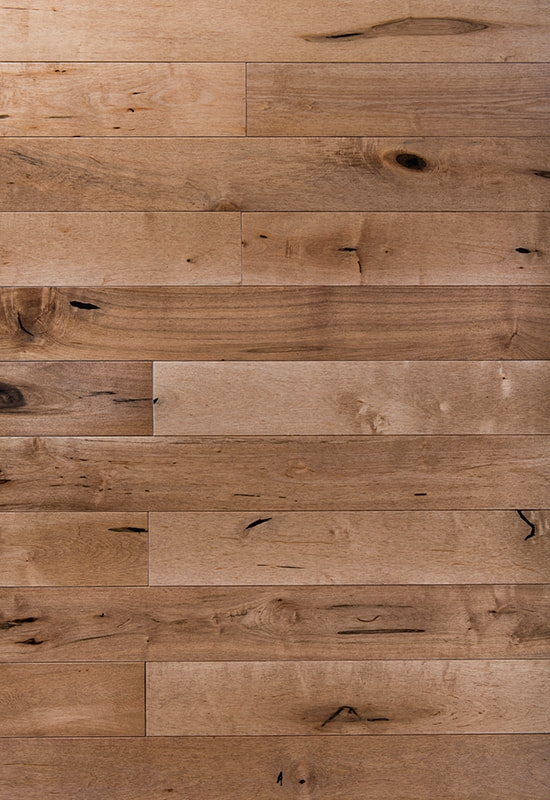
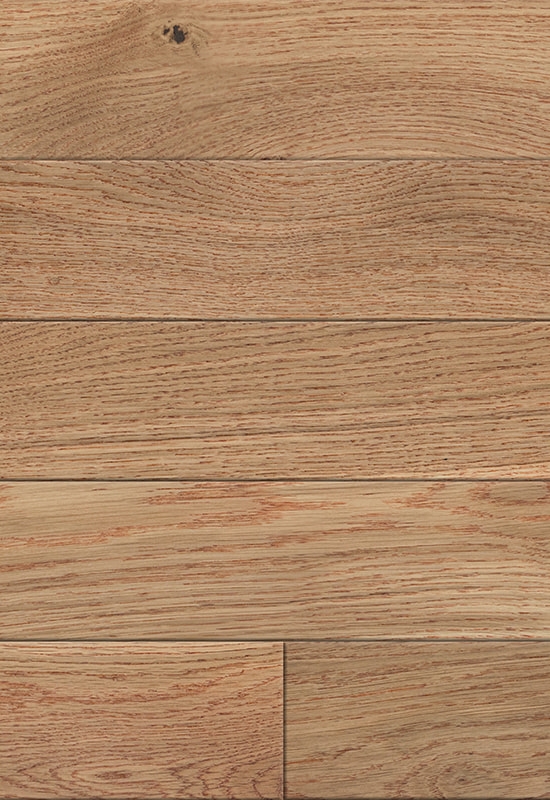
Two useful reference points are the 125 mm and 203 mm white oak hand-scraped distressed products, which show how width and relief change visual scale in the same species.
 White Oak 125 Hand-Scraped Distressed Solid Wood FlooringA 125 mm white oak plank with hand-scraped and distressed texture, useful for comparing how narrower width and relief affect visual scale.View Product →
 White Oak 203 Hand-Scraped Distressed Solid Wood FlooringA 203 mm white oak plank with hand-scraped, distressed finish and UV lacquer, showing how wider boards shift visual scale in the same species.View Product →
Compliance is part of the sourcing decision. The company’s material legality department supports Lacey Act and EUDR requirements, and its listed credentials include FSC, PEFC, JAS, CE, UKCA, ISO and the Välinge click licence. For a buyer, those documents do not replace sample approval, but they reduce the risk of a shipment being held at destination.
A hand-scraped floor succeeds when texture is specified as a measurable surface, not a mood. Approve a physical sample, check the remaining wear layer, lock the finish sheen and bevel, and schedule maintenance before the first delivery. Buyers who treat scraping as a process variable get the look without sacrificing service life.

 +86-572-2118015
 No.598 Gaoxin Road, Wuxing Area, Huzhou, Zhejiang, China, 313000
