

 Eng
Eng  English
 中文简体
中文简体 Français
Content
Can Maple Floors Be Stained Dark?
Yes, maple floors can be stained dark, but the process is more demanding than staining oak or ash. Maple is a closed-pore, diffuse-porous hardwood, which means pigment-based stains have a hard time penetrating. Instead of a rich walnut color, you often get blotchy patches, cloudy sections, and a floor that looks far from intentional.
The practical answer is that dark maple is possible when you change the approach. Dye-based stains, water popping, a higher final sanding grit, and a sealer between color coats all make a measurable difference. Without these steps, a dark stain on maple is the fastest way to turn a finishing job into a resand-and-start-over project.
Why Maple Resists Dark Stains
Maple is not just hard; it is structurally tight. Oak species are ring-porous, with open vessels that carry stain deep into the wood. Maple is diffuse-porous, with a very uniform cell structure. Pigment particles in conventional oil stains are too large to move deep into that structure, so they sit on the surface and dry unevenly. Dyes, on the other hand, are small enough to enter the wood fibers.
There are also different types of maple. Hard maple, or sugar maple, is denser and more difficult to stain than soft maple. Soft maple is still harder to stain than oak. If you are not sure which species is underfoot, assume the worst and follow the preparation steps below.
| Species | Janka Hardness | Pore Structure | Typical Dark Stain Behavior |
|---|---|---|---|
| Hard maple | ~1450 lbf | Closed, diffuse | Pigment stains sit on the surface; blotching is common |
| Soft maple | ~700-950 lbf | Slightly more open | Better absorption than hard maple, but still uneven with pigment |
| White oak | ~1360 lbf | Ring-porous, open vessels | Dyes and most stains penetrate well |
| Red oak | ~1290 lbf | Ring-porous, open vessels | Very absorbent; dark colors look even and bold |
How to Prepare Maple for a Dark Stain
Preparation is what separates a successful dark maple floor from a costly mistake. The sequence below mirrors what works in our factory when we handle maple projects with custom color requirements.
Sand to a Higher Final Grit
Stop at 120 to 150 grit instead of the coarse grits often used on oak. A finer surface keeps the stain from soaking into one spot and leaving a darker patch. Vacuum the floor after every grit sequence and wipe it with a tack cloth before applying any color.
Check Moisture Content First
Maple should be dry enough to accept color evenly. Aim for a moisture content in the single digits, typically 6 to 9 percent depending on your climate. If a moisture meter shows the floor is above 10 percent, do not stain it dark; the color will dry unevenly and may fail later.
Water Pop the Surface
A fine mist of clean water swells the grain and opens the wood enough for dye molecules to penetrate. Let the floor dry back to the correct moisture range before staining. Water popping is one of the most important steps for dark maple, and skipping it is one of the most common reasons for a blotchy result.
Use Dye Stains Instead of Pigment Stains
Dye molecules are small enough to enter maple's tight structure. Pigment stains are not. For deep walnut, espresso, or charcoal shades, an alcohol-based or water-based aniline dye is the reliable route. The difference between dye, oil, and varnish finishes is covered in our guide to wood floor surface finishes.
Seal Between Color Coats
After the first coat of dye, apply a thin washcoat sealer. This keeps the second coat from moving the first coat around and reduces the contrast between maple's light and dark growth zones. A washcoat takes extra time, but it is the step that prevents the marbled look.
Finally, test the full sequence on a piece of maple from the same lot. Maple boards can vary in density and color, so a single test on plywood or a different species means nothing.
Deep Colors That Work on Maple
Dark does not mean opaque. The best dark maple finishes work with the wood's natural lightness rather than trying to hide it. When clients say they want dark maple, the shades below are the safest starting points.
| Finish Direction | Recommended Type | Result / Risk |
|---|---|---|
| Espresso / dark walnut | Water-based dye | Deep brown with visible grain; low blotch when water popped |
| Charcoal / smoked grey | Water-based dye plus a small pigment addition | Subtle grey tone; needs precise mixing to avoid flatness |
| Black | Non-grain-raising dye or black aniline dye | Dramatic but unforgiving: every sanding mark and lap line shows |
| Tinted hardwax oil | Tinted hardwax oil from a single manufacturer | Matte and durable, but harder to keep even on maple |
Before starting, walk the client through what a dark maple floor will look like at different times of day. In low light, a dark dye can read as nearly black. In direct light, the grain appears much more clearly. That contrast is normal, and it is useful to set the expectation early.
The Prefinished Alternative to Site-Stained Maple
Even with careful preparation, dark site-staining is a multi-day operation with many variables. Room temperature, humidity, the installer's speed, and the board-to-board density differences all affect the final color. If the project does not absolutely need an on-site custom color, a prefinished dark floor eliminates most of that risk.
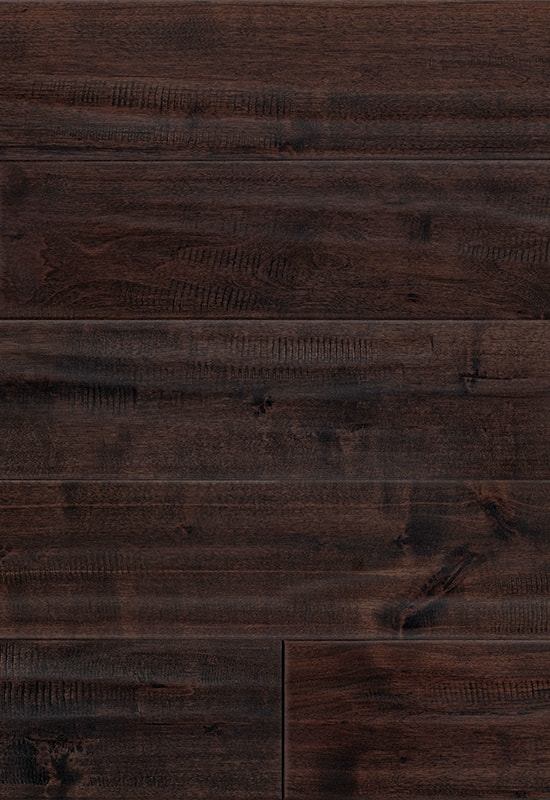
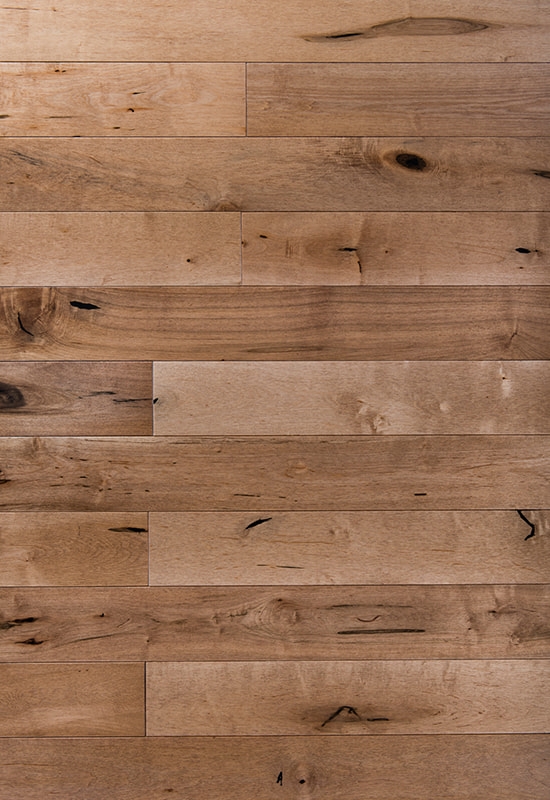
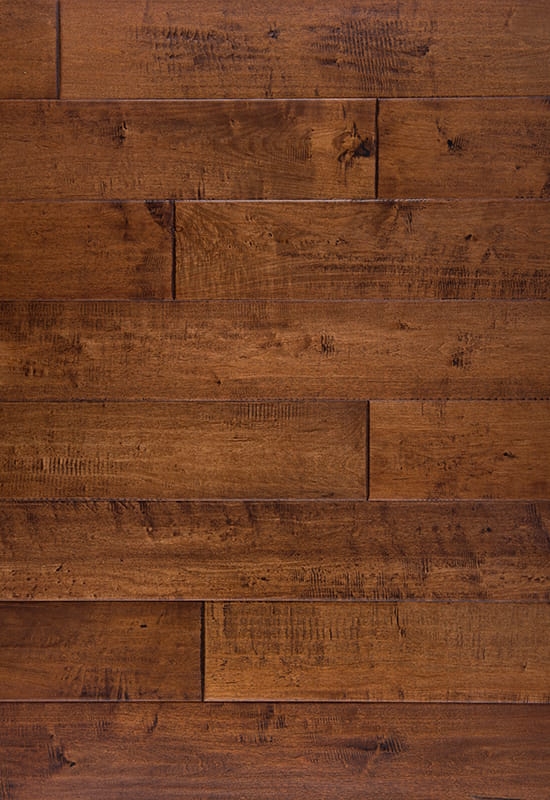
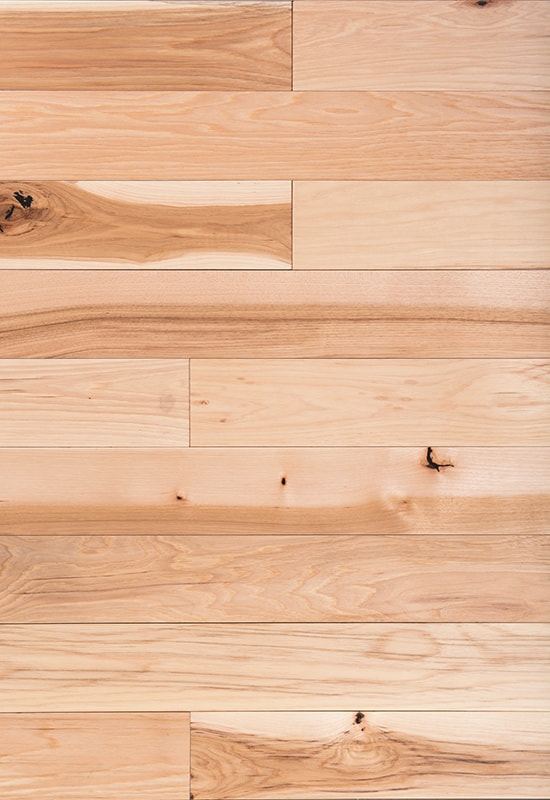
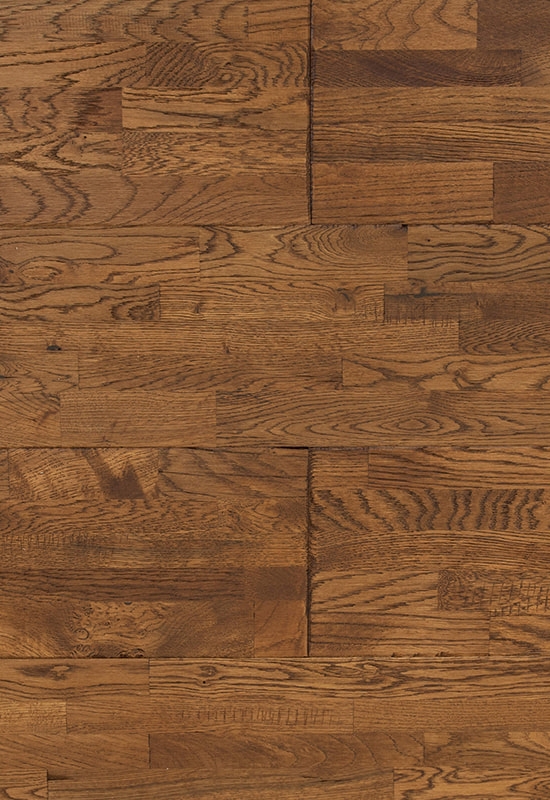
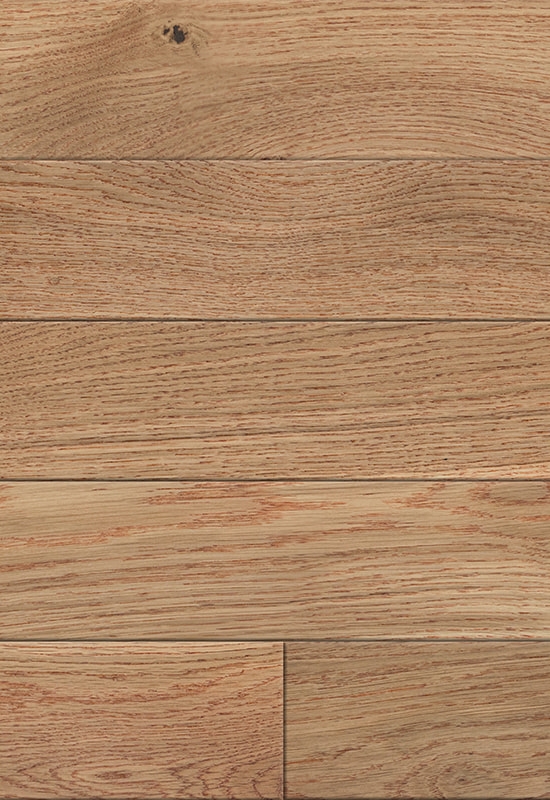
At Jesonwood, we make dark smoked white oak engineered flooring specifically as a lower-risk alternative to site-stained maple. The dark color is applied in the factory under controlled conditions and cured with a UV finish, so the tone stays consistent across all planks. In our own range, maple appears in natural-light and handscraped treatments; when a dark color is required, we turn to white oak because it delivers the tone far more predictably. If you are specifying a dark floor, this dark smoked white oak engineered plank gives you the same visual impact without the blotch gamble.
All prefinished oak we supply goes through our material compliance checks, including the US Lacey Act and EUDR requirements, so the sourcing discipline is visible from the raw wood to the finished plank.
Site-Finished or Prefinished: How to Choose
There is no universal right answer. The decision depends on what matters more to the project: custom color control or consistency and speed. The table below summarizes the main differences.
| Factor | Site-Finished Maple | Prefinished Dark Engineered Oak |
|---|---|---|
| Color control | Full custom color potential, but a higher chance of blotching | Fixed factory color, very consistent |
| Installation speed | Days of sanding, staining, and sealing | Install once, ready to use after installation |
| Odor and dust | Dust and finish odors on site | Minimal site dust; low odor |
| Core stability | Solid maple can move with humidity changes | Engineered core is more dimensionally stable than solid wood |
| Risk level | High for dark colors | Low for dark colors |
If you want to understand the structural reasons behind that difference, our comparison of solid versus engineered wood flooring explains what changes after installation.
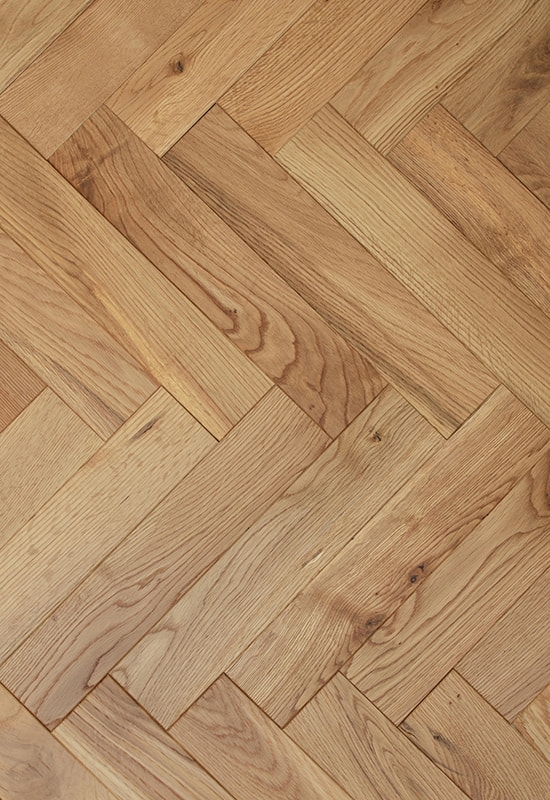
If the project demands a patterned layout, the same dark smoked tone is also available in a herringbone format. A dark herringbone floor is a strong visual choice for commercial and residential interiors, and the factory-controlled color avoids the uneven results that often appear in site-applied dark patterns.
For most projects, dark maple is achievable if you can control the environment and use the right chemistry. But when consistency matters more than custom color, a prefinished dark oak floor is the safer path. To see the range of prefinished options we produce, browse our full flooring range.

 +86-572-2118015
 No.598. Gaoxin Road, Huanzhu Industrial Zone, Huzhou City, Zhejiang Province, China, 313000