

 Eng
Eng  English
 中文简体
中文简体 Français
Content
- 1 What Is Tannin Pull and Why Does It Happen on White Oak?
- 2 The 3 Most Common Scenarios Where Tannin Pull Occurs
- 3 Prevention Strategy #1: Choosing the Right Sealer (Product Comparison)
- 4 Prevention Strategy #2: Proper Application Techniques for Contractors
- 5 What If It’s Too Late? A Step‑by‑Step Fix for Tannin Pull
- 6 How Prefinished White Oak Flooring Eliminates the Tannin Pull Risk
What Is Tannin Pull and Why Does It Happen on White Oak?
You’ve just completed a white oak floor with a water‑based finish. A week later the homeowner calls—the floor has developed an ugly yellow‑brown haze. That’s tannin pull, and it strikes fear into every contractor who works with white oak.
Tannin pull occurs when water‑soluble tannins inside the wood migrate upward during drying. Water‑based sealers and finishes introduce moisture that dissolves these tannins, which then wick to the surface and react with the coating. The result is a golden, brown, or even greenish discoloration that sits on top of the wood—not inside it. White oak can contain nearly two to three times the tannin concentration of red oak, which is why the problem is overwhelmingly associated with this species.
Red oak’s open‑grain structure allows finishes to penetrate differently, and its lower tannin load makes it far less prone to bleed. With white oak, the closed grain and high tannin levels create a perfect storm when water‑based chemistry is introduced. Understanding this root cause is the first step to preventing it.
The 3 Most Common Scenarios Where Tannin Pull Occurs
Tannin pull doesn’t appear out of nowhere. Three specific jobsite conditions account for nearly every case contractors encounter.
1. New installation of unfinished white oak with a water‑based system
When raw white oak planks are sanded, coated with water‑based sealer, and then top‑coated, the initial moisture swells the wood fibers and pulls tannins up. If the sealer isn’t designed to block tannins, the discoloration shows up within hours or days. Many first‑time white oak jobs fail at this exact moment.
2. Sand‑and‑refinish of an existing white oak floor that originally had an oil‑based coating
Oil‑based finishes create a natural tannin barrier. When that old film is sanded away and a water‑based system is applied, the exposed wood releases a fresh wave of tannins. Contractors who switch from oil to water without a blocking sealer are caught off guard by the sudden bleed.
3. Using a water‑based stain or finish over a sealer that isn’t rated for tannin blocking
Some sealers are marketed as “universal” water‑based primers. On white oak, they perform poorly. The sealer may be too thin, may not bond chemically with tannins, or may be applied at the wrong spread rate. Even a single missed spot can cause localized discoloration.
Prevention Strategy #1: Choosing the Right Sealer (Product Comparison)
Not all sealers are created equal. The choice you make before a single drop of finish hits the floor determines whether you’ll deal with tannin pull. Three broad categories exist, and only one is truly engineered to stop the problem on white oak.
Oil‑based sealers naturally limit water penetration, so tannin migration is reduced. They dry slowly, emit high levels of VOCs, and impart a warm amber tone that may alter stain colour. Standard water‑based sealers offer fast drying and low odour, but they do little to block tannins—they’re essentially thin coats of clear finish. Only dedicated tannin‑blocking sealers deliver near‑zero discoloration on white oak by chemically encapsulating tannins and forming an impermeable film.
| Sealer Type | Recoat Time | VOC Level | Effectiveness Against Tannin Pull | Relative Cost | Best Use Case |
|---|---|---|---|---|---|
| Oil‑based sealer | 8–12 hours | High | Good | Low | When ambering is acceptable and low cost is priority; not suitable for low‑VOC mandates |
| Standard water‑based sealer | 2–4 hours | Low | Poor | Medium | Quick‑turn jobs on species with low tannin content; not recommended for white oak |
| Dedicated tannin‑blocking sealer | 3–5 hours | Low to moderate | Excellent | High | All white oak projects using water‑based finish; mandatory when color clarity matters |
When specifications demand low VOCs and a water‑based topcoat, there is no substitute for a dedicated blocking sealer. Two coats are the industry standard—one coat rarely provides full coverage on the dense, closed‑pore surface of white oak.
Prevention Strategy #2: Proper Application Techniques for Contractors
Even the best sealer fails if applied incorrectly. The mechanics of coating white oak require attention to detail from the final sanding pass through the last topcoat.
Step‑by‑step application
- Sand raw white oak to a final grit of 100–120 using a multi‑disc or orbital sander. Ensure no swirl marks remain—tannins accumulate more in compressed areas.
- Vacuum thoroughly and then tack with a microfiber cloth dampened with a pH‑neutral cleaner. Residual dust creates pinholes that compromise the sealer film.
- Pour sealer into a clean tray and use a high‑quality T‑bar or short‑nap roller. Avoid pad applicators that dry quickly and leave thin, inconsistent layers.
- Apply the first coat generously, working in the direction of the grain. Do not stop mid‑section; any pause can create a lap mark that later turns yellow.
- Allow the sealer to dry for the full manufacturer‑specified time. Rushing the second coat traps moisture and triggers tannin migration.
- Apply a second coat in the opposite direction to ensure edge‑to‑edge coverage. Pay special attention to board ends and perimeter areas where applicator pressure lightens.
- Lightly screen or buff with a maroon pad after the second coat is fully dry, then proceed with water‑based topcoats as usual.
Common mistakes that invite tannin pull
- Skipping the sealer entirely—the single largest cause of field failures. Even a “self‑sealing” finish alone cannot block white oak tannins.
- Applying sealer too thin—spread rates below 400–500 sq ft per gallon per coat leave the wood vulnerable.
- Working in relative humidity above 60%. High moisture slows drying and gives tannins more time to migrate.
- Sanding to too fine a grit (150 or higher) before sealer application. Burnished wood pores reject penetration.
- Using a sealer not labeled for tannin blocking. Check the technical data sheet for explicit white oak compatibility.
When these rules are followed, a water‑based finish can sit on white oak for years with zero discoloration.
What If It’s Too Late? A Step‑by‑Step Fix for Tannin Pull
If yellow‑brown staining has already appeared, the floor cannot be saved with a topical treatment. The failed finish must be removed entirely and the bare wood re‑sealed. This is a costly, multi‑day process.
- Tape off the area and sand the floor to bare wood using a drum sander starting at 36‑grit, progressing through 60‑grit to a final 100‑grit. Edge sanding must match.
- Deep‑clean the wood with a pH‑neutral wood floor cleaner. Do not use water alone; a cleaner formulated for raw wood will lift residual tannins without raising the grain excessively.
- Allow the floor to dry for at least 24–48 hours. Use commercial dehumidifiers and fans. Target internal wood moisture content below 10% before proceeding.
- Apply two heavy coats of a dedicated tannin‑blocking sealer exactly as described in the prevention section. Overlap passes slightly to avoid gaps.
- If stain is desired, apply it after the second sealer coat has dried and been buffed. Water‑based stains are still safe once the barrier is in place.
- Finish with two to three coats of water‑based polyurethane, following normal dry times. The new floor will remain clear and colour‑stable.
Bear in mind that a re‑finish of this type doubles the labour cost and extends downtime. The economics alone make prevention the only rational path.
How Prefinished White Oak Flooring Eliminates the Tannin Pull Risk
A straightforward way to avoid tannin pull altogether is to specify prefinished white oak flooring. In factory‑controlled environments, multiple UV‑cured sealer and topcoat layers are applied under intense lights that cure the finish instantly. This creates a monolithic, cross‑linked barrier that locks tannins inside the wood permanently.
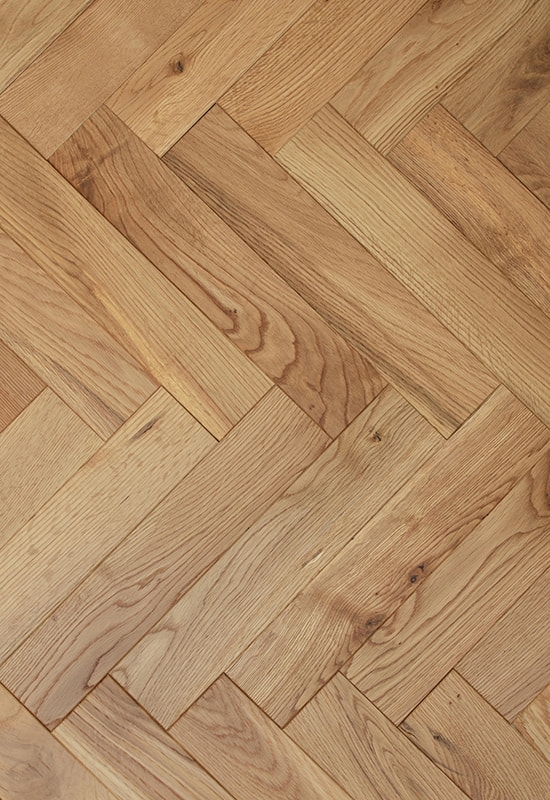
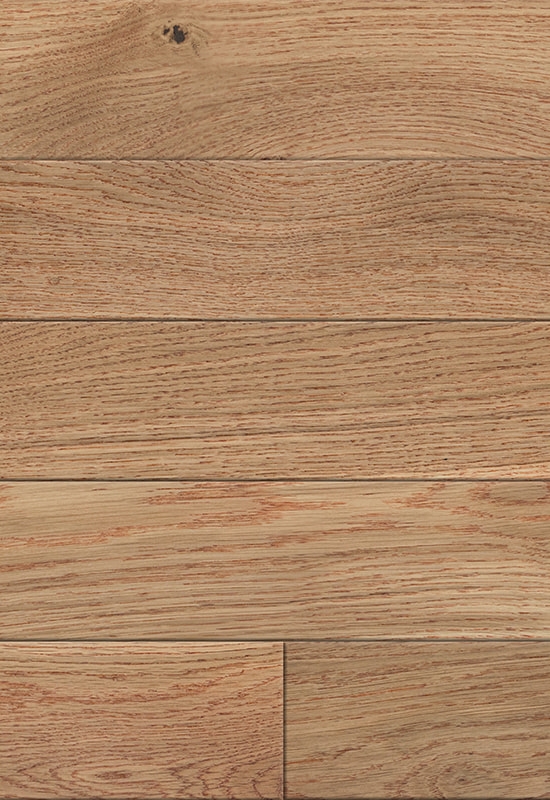
Jesonwood’s Extra White White Oak engineered plank and the Natural White Oak option are both finished with this industrial‑grade process. In engineered white oak, only the thick sawn‑cut wear layer contains tannins; the HDF core is inert. Factory sealing addresses that susceptible surface before the floor ever reaches a jobsite. Contractors who install these floors never field‑apply a sealer, never worry about ambient humidity during coating, and never receive a call about yellowing weeks after turnover.
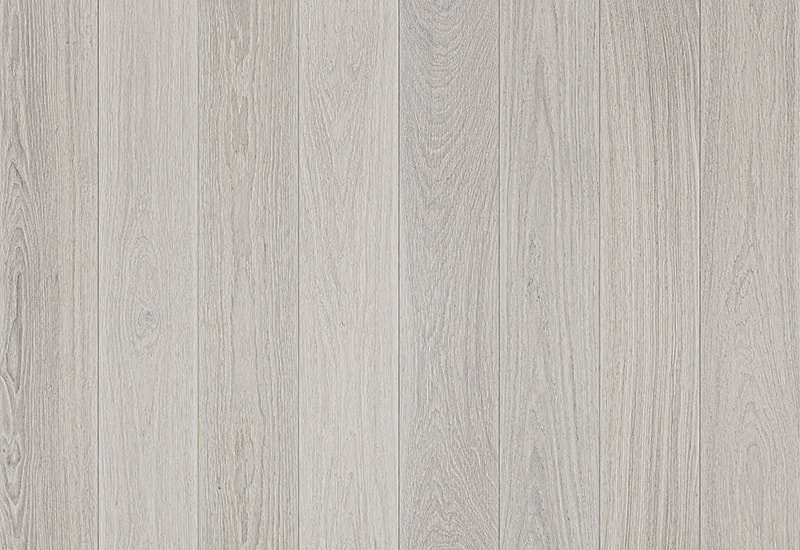
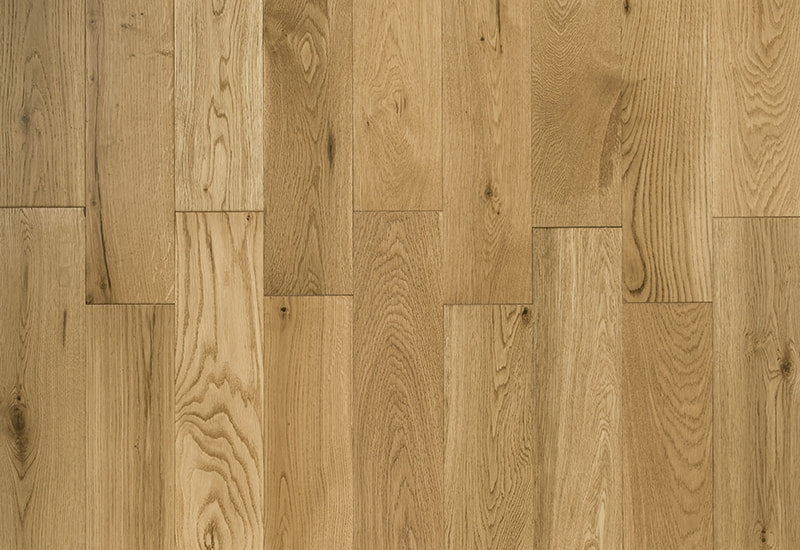
For projects where water‑based aesthetics and low‑VOC goals are non‑negotiable, prefinished white oak turns the entire tannin question into a non‑issue.

 +86-572-2118015
 No.598. Gaoxin Road, Huanzhu Industrial Zone, Huzhou City, Zhejiang Province, China, 313000